





Kuinka ladata spin pelejä

  1. Pelaa Lil Devil Kolikkopeliä: Peli sisältää sekä oikean että ilmaisen peliversion.
  2. Valmis Bingoruudukko - Progressiivisten jättipottien määrä ei ole kun 15, joka ei ihan riitä modernille nettikasinolle.
  3. Winota Casino 50 Free Spins: On myös useita niin kutsuttuja laittomia uhkapeliluolia, jotka toimivat ilman valtion lisenssejä.

Elektroninen kasino hedelmapeli temppuja

Casino Ei Minimitalletusta
Tämä tietenkin myös tekee niistä turvallisempia käyttäjille ja pitää maksut pois tiliotteesta.
Eiliset Kenonumerot Ilta Arvonta
Myös alhainen osumataajuus voi myös tarkoittaa, että sinulla on mahdollisuus voittaa progressiivinen jackpot, joka on vaikeampi saada, mutta niin paljon suurempi kuin muut palkinnot, joita voit mahdollisesti saada
Joten, lets tarkistaa kaikki ammattilaiset Masters of Valhalla on menossa sitä.

Bonus slotit peliklubi 2026

Smashing Casino 50 Free Spins
Nyt on helppo sukeltaa jännittävän viihteen maailmaan.
Olympic Casino 50 Free Spins
Tarkista kaikki uudet kasino olet rekisteröitynyt niin et menetä näitä mahdollisuuksia saada enemmän vetoja.
Casinova Casino 50 Free Spins

Alasentie 36,
39200 Kyröskoski

Puh: 0400 830 784 / Anne Lähteenmäki
Email: anne@koditar.fi

Tapahtumakalenteri

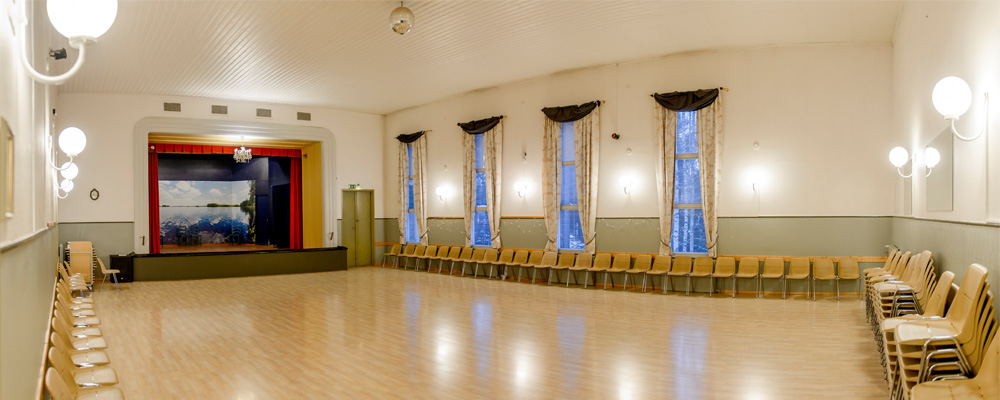
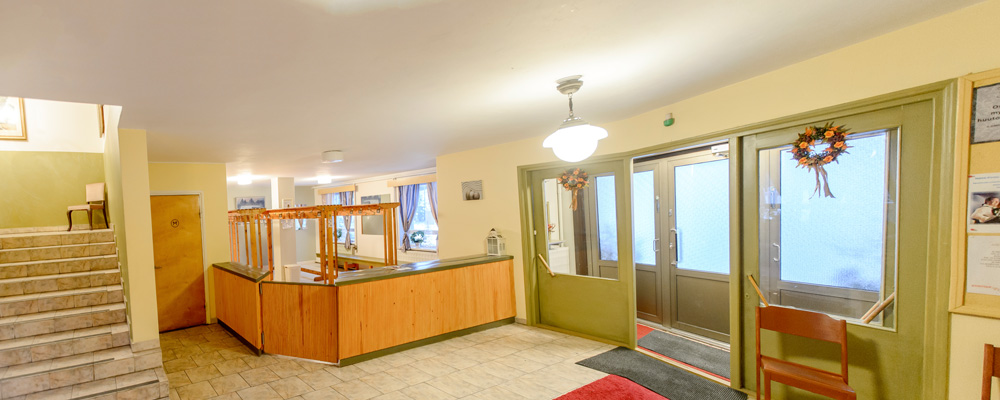
Hälläpirtillä tapahtuu laidasta laitaan. Emme julkaise yksityistilaisuuksia kalenterissa.
Ota yhteyttä ja tee oma tilavarauksesi.

Virements bancaires et Dream Catcher : comment jouer en France

Salut — si vous êtes un joueur français qui cherche à miser proprement sur Dream Catcher depuis l’Hexagone, ce guide est pour vous et va droit au but. Ici on parle CB, virements SEPA, crypto et de la galère possible au moment du retrait, le tout avec des exemples pratiques et du vocabulaire qu’on utilise entre potes (thune, oseille, se refaire). La suite explique comment préparer un virement, quand l’utiliser pour Dream Catcher et comment éviter les embrouilles avec le KYC, alors lisez la suite pour ne pas vous faire avoir.

Pourquoi le choix du virement importe pour les joueurs français

Look, voici la chose : pour les joueurs en France, la Carte Bancaire (CB) est la référence, mais le virement SEPA reste la méthode la plus claire pour des montants importants — par exemple pour retirer 1 000,50 € ou 30 000,00 € sur le mois selon les plafonds. Ce choix influe sur les délais et les contrôles KYC, donc mieux vaut savoir à quoi s’attendre avant d’envoyer votre RIB. Je détaille juste après les délais types et pourquoi ça compte.

Délais et réalités des virements pour Dream Catcher en France

En pratique : un virement SEPA sort souvent du côté du casino sous 1 à 3 jours ouvrés, puis la banque met 1 à 5 jours en fonction de l’établissement (Crédit Agricole, BNP Paribas, Société Générale, La Banque Postale). Pour un retrait typique de 500 €, comptez 4 à 8 jours ouvrés si le KYC n’est pas déjà validé — c’est frustrant, je sais, mais c’est la réalité. On voit juste après comment accélérer le processus et quels documents préparer.

Dream Catcher et virements bancaires pour joueurs français

Comparatif des méthodes de paiement pour Dream Catcher en France

Avant de plonger dans la marche à suivre pour un virement propre, voilà une comparaison rapide des options usuelles pour des joueurs tricolores, avec les avantages et inconvénients — utile pour choisir selon votre profil.

Méthode Délais dépôt Délai retrait estimé Avantage principal Risque pour un joueur français
Carte Bancaire (CB) Instantané 3–7 j ouvrés Confiance et simplicité Vérifications + remboursement parfois long
Virement SEPA 1–3 j 4–8 j ouvrés Idéal pour gros montants / traçabilité Délais plus longs, besoin de RIB propre
Portefeuilles (Skrill, Neteller) Instantané 2–5 j ouvrés Rapide pour les retraits après approbation Nom du compte doit correspondre exactement
Crypto (BTC, USDT) Heures 24–72 h Très rapide si validé Frais réseau, exigences de source des fonds
Paysafecard / Apple Pay / PayPal Instantané Variable Confort et confidentialité partielle Restrictions selon le site et compatibilité

Après ce tableau, voyons concrètement comment préparer un virement SEPA pour Dream Catcher afin de limiter les retards et les refus, étape par étape pour les joueurs en France.

Procédure pas-à-pas pour un virement SEPA efficace (pour joueurs français)

Étape 1 — Préparez votre RIB au format PDF depuis votre banque (BNP, Crédit Agricole, etc.) en vous assurant que le nom correspond exactement au compte joueur, car toute divergence retarde la validation. Cette préparation évite notamment les blocages KYC, et on en parle juste après.

Étape 2 — Effectuez le dépôt depuis le même compte bancaire que celui indiqué dans votre profil joueur et mentionnez la référence demandée par la caisse; ça réduit les vérifications manuelles. Voyons maintenant les documents KYC à fournir.

Étape 3 — Envoyez, dès l’inscription, une copie claire de votre pièce d’identité (passeport ou CNI) et un justificatif de domicile de moins de 3 mois pour accélérer la première vérification. Si votre dossier est propre, le retrait par virement ne prendra pas plus de 4 à 8 jours ouvrés en général, sinon préparez-vous à répondre à des demandes supplémentaires.

KYC et vérifications spécifiques pour les joueurs français

Not gonna lie, le KYC peut être la partie la plus chiante : photo floue, document expiré, nom différent entre RIB et compte — tout ça conduit à un refus. Pour éviter ça, envoyez des scans nets, renommez les fichiers (ID_recto, RIB_PDF) et préparez un justificatif de source des fonds si vous retirez une grosse somme. Après ces étapes, on compare les scénarios concrets auxquels vous pouvez vous attendre.

Scénarios concrets (cas pratiques pour la France)

Cas A — Vous retirez 500 € via virement et votre KYC est validé : attente typique 4 jours ouvrés. Ce scénario est le plus courant pour les joueurs qui jouent de la petite thune de temps en temps, et il mérite une mise en garde sur les horaires d’envoi (évitez le vendredi soir).

Cas B — Vous demandez 10 000 € et le service financier veut la source des fonds : préparez fiches de paie, relevés bancaires, ou preuve de vente d’un objet. En France, les banques peuvent aussi poser des questions, donc anticipez et gardez la trace de tout pour accélérer le process.

Où tester Dream Catcher en France — plateforme et prudence

Si vous cherchez une plateforme pour tester Dream Catcher en mode réel ou démo, certains sites offshore proposent l’accès via CB, virement ou crypto, mais souvenez-vous que les casinos en ligne (machines à sous, roulette) sont interdits en France par l’ANJ et relèvent du « grey market ». Si vous pesez le pour et le contre, pensez à vérifier toujours les conditions de retrait et à lire les CGU avant de déposer, comme on va le voir dans le checklist suivant.

Un exemple pratique : sur certaines plateformes vous pouvez utiliser un virement pour déposer 100,00 € et tenter Dream Catcher en live ; si vous gagnez, la procédure de retrait par SEPA vous demandera un RIB correspondant — anticipez cette étape pour éviter un blocage futur.

Quick Checklist pour virements SEPA et Dream Catcher (pour joueurs français)

  • 18+ : vérifiez que vous avez l’âge légal et conservez preuve d’identité.
  • RIB au même nom que le compte joueur.
  • Justificatif de domicile ≤ 3 mois (EDF, téléphone fixe, avis d’impôt).
  • Ne demandez pas un retrait le vendredi soir — privilégiez début semaine.
  • Préparez captures d’écran des transactions et des échanges support.

Suivant cette checklist, vous limitez les risques de blocage et facilitez l’intervention du support si besoin, ce dont je parle ensuite.

Common Mistakes et comment les éviter — spécial joueurs en France

  • Erreur : utiliser un RIB d’un proche → Solution : toujours utiliser un compte à votre nom pour dépôts/retraits.
  • Erreur : envoyer des scans flous → Solution : photos en pleine lumière, format PDF, coins visibles.
  • Erreur : ignorer les CGU sur le VPN → Solution : si vous jouez depuis la France, évitez VPN (les CGU des sites offshore interdisent souvent leur usage).
  • Erreur : prendre le bonus sans lire le wagering → Solution : calculez l’impact (ex. 10 € cashback × 3x = 30 € à rejouer).

Éviter ces pièges vous sauvera du temps et de la rage — et si malgré tout votre retrait reste bloqué, la section suivante explique les démarches à suivre.

Que faire si votre virement/retrait est bloqué en France

Première étape : respirez, vérifiez les e-mails (spam compris) et contactez le support avec un message daté et clair (montant, date, méthode). Ensuite, rassemblez preuves et captures d’écran ; si le support interne reste injoignable après 7–10 jours ouvrés, vous pouvez déposer une plainte publique sur des forums spécialisés. À la fin, je liste des ressources françaises utiles pour vous aider.

Mini‑FAQ pour joueurs français sur virements et Dream Catcher

1) Combien de temps pour récupérer 500 € via SEPA ?

En règle générale 4 à 8 jours ouvrés si votre KYC est validé, et souvent plus court si vous avez déjà fourni tous les documents avant la demande de retrait.

2) Puis‑je utiliser le RIB d’une autre personne ?

Non — utiliser un RIB au nom d’un tiers est la source la plus fréquente de blocage et peut conduire à la clôture du compte.

3) Que faire si on me demande la ”source des fonds” ?

Fournissez fiches de paie, relevés bancaires pertinents ou preuve de vente; masquez les informations non pertinentes si nécessaire, et fournissez une explication factuelle.

Ressources locales et aide pour joueurs en France

Si ça dérape ou si le jeu devient problématique, contactez Joueurs Info Service au 09 74 75 13 13 ou rendez‑vous sur joueurs-info-service.fr pour de l’aide anonyme et gratuite — c’est un réflexe important pour protéger votre oseille et votre santé mentale. Autrement, gardez une trace de toutes vos demandes au support pour faciliter toute médiation éventuelle.

Où en trouver plus sur Dream Catcher et options pour joueurs français

Si vous cherchez une plateforme pour tester ou comparer, certains sites listent des revues et méthodes de paiement adaptées aux joueurs en France ; par exemple, si vous voulez voir un site qui propose cashback et retrait crypto adapté aux profils français, jetez un oeil à plinko-casino et vérifiez leurs CGU en priorité pour la section paiements et KYC. Après cette lecture, je vous donne un dernier conseil pratique pour sécuriser vos retraits.

Pour être encore plus concret : si vous comptez retirer 2 000 € en plusieurs étapes, préférez le SEPA et préparez vos justificatifs à l’avance pour que le support n’interrompe pas le flux — et si vous voulez une alternative rapide pour des petites sommes, un e‑wallet peut dépanner. Si vous envisagez d’utiliser une plateforme crypto pour éviter certains contrôles, rappelez-vous que cela modifie aussi les risques et la traçabilité.

18+. Les jeux d’argent peuvent engendrer une dépendance et des pertes financières importantes. Ne jouez jamais de l’argent dont vous avez besoin pour vivre. Pour de l’aide en France : Joueurs Info Service 09 74 75 13 13.

Sources

  • ANJ — Autorité Nationale des Jeux (informations régulatoires pour la France).
  • Guides bancaires SEPA et pratiques de RIB pour la France (banques locales : BNP Paribas, Crédit Agricole, Société Générale).
  • Expériences et retours de joueurs francophones sur forums spécialisés (synthèse pratique).
  • Exemples de plateformes proposant Dream Catcher et options de paiement — voir notamment plinko-casino pour vérifier les conditions de retrait et le cashback.

À propos de l’auteur

Je suis un joueur et observateur français des pratiques de paiement en ligne, avec plusieurs années d’expérience dans les scènes poker et paris en ligne; j’ai testé procédures KYC, virements SEPA et retraits sur plusieurs plateformes pour rédiger des guides pratiques destinés aux joueurs français en quête de clarté. Mon approche : pragmatique, critique et centrée sur la protection de votre porte‑monnaie — et je partage ici ce que j’ai appris pour que vous n’ayez pas à galérer pour récupérer votre thune.

Blackjack live en France : stratégies secrètes pour high rollers dans l’Hexagone

Look, voici le truc : si vous êtes un joueur français qui veut jouer au blackjack avec croupier en direct, il faut savoir où vous mettez les pieds et pourquoi la situation légale est particulière en France, et je vais vous l’expliquer franchement. Cette entrée rapide donne les premières règles du jeu pour un high roller — ensuite on entre dans le concret des stratégies et de la gestion de l’argent.

Pourquoi le contexte français change la donne pour le blackjack live en France

Franchement, en France les jeux de casino en ligne (machines à sous, roulette, blackjack) sont interdits dans le cadre légal contrôlé par l’ANJ, ce qui crée un marché gris où beaucoup de joueurs se tournent vers des plateformes offshore ou des tables live proposées par des sites étrangers ; c’est important de le savoir avant d’ouvrir un compte. Cela signifie que vous devez ajouter une couche de vigilance juridique et financière avant de miser sérieusement, et je vous explique comment l’aborder.

Règles de base du blackjack live adaptées aux joueurs français

Pas de blabla : les règles du blackjack live restent standard (dealer stands on 17, double après split, etc.), mais pour un high roller en France, il faut optimiser vos mises selon la variance de la table et la contribution réelle des mains aux bonus éventuels. La suite détaille les ajustements mathématiques et comportementaux qui font la différence.

Maths et gestion de bankroll pour high rollers en France

Not gonna lie — la théorie de base dit que le blackjack peut offrir l’un des meilleurs edges pour le joueur si vous utilisez une stratégie de base parfaite et que vous comptez (dans les casinos terrestres), mais en pratique, pour le live online offshore, la volatilité et les règles de la table modifient l’espérance. Je vous propose une méthode pragmatique pour calibrer votre bankroll : mise de base = 0,5–1,5 % de la bankroll jouable, stop-loss à 10–20 % et objectif de gain réaliste. Ensuite on applique une règle de montée prudente quand vous êtes en ”run” favorable.

Comparatif des approches de mise pour joueurs français (tableau)

Approche Quand l’utiliser (FR) Avantage Inconvénient
Mise fixe Sessions longues et bankroll stable Gestion simple Peu exploite les runs
Progression légère (×1,5) High rollers cherchant volatilité maîtrisée Profite des runs sans exploser le capital Risque de perte rapide si mauvaise série
Martingale (déconseillé) Jamais recommandé Apparence de sécurité Plafond de table et ruine potentielle

Ce tableau vous aide à choisir une stratégie adaptée à votre profil dans l’Hexagone, et la section suivante explique comment convertir ces principes en décisions concrètes à la table live.

Stratégies secrètes adaptées au blackjack live pour joueurs en France

Real talk: voici trois ”trucs” qui marchent souvent pour les joueurs expérimentés sur les tables live offshore — testés en sessions privées — et comment les appliquer sans se mettre en danger. D’abord, la gestion dynamique des mises : augmentez légèrement après une victoire nette et redescendez après deux pertes consécutives; cela évite le tilt. Ensuite, la sélection des tables : privilégiez les tables avec règles favorables (dealer stand 17, double après split, resplit possible) et limites qui acceptent vos mises haute fréquence. Enfin, la lecture du rythme live : observez la cadence du croupier et la latence vidéo pour éviter des décisions prises dans l’urgence, et la partie suivante décrit comment ces éléments se traduisent en chiffres.

Exemples chiffrés pour high rollers en France

Imaginons une bankroll de 10 000 € : une mise de base raisonnable est 50 € (0,5 %) à 150 € (1,5 €) par main en mode conservateur, tandis qu’un joueur agressif peut partir sur 500 € par main — attention aux pertes rapides. Supposons une série favorable de 6 gains consécutifs avec mise progressive ×1,5 : vous transformez 1 000 € misés en environ 1 750 € (selon EV), mais la même progression sur une mauvaise série vous coûte cher. La prochaine partie vous donne une checklist pour protéger la thune.

Quick Checklist pour jouer au blackjack live en France

  • Vérifiez la légalité : savoir que l’ANJ interdit officiellement les casinos en ligne en France (anj.fr) et que vous agissez sur le marché gris.
  • Budget clair : ne jouez jamais des sommes indispensables — ex. 50 €, 100 €, 500 € doivent être des balles de votre poste loisir.
  • Méthodes de dépôt/retrait testées : privilégiez CB (Carte Bancaire), PayPal ou Apple Pay s’ils sont proposés; notez que Paysafecard sert au dépôt uniquement.
  • Préparez KYC : copie de pièce d’identité, justificatif de domicile récent et preuve de carte bancaire (coins masqués).
  • Limites d’auto-exclusion : fixe-les avant d’ouvrir le compte.

Cette checklist pose le cadre minimal — la suite explique les pièges classiques et comment les éviter avec exemples concrets.

Common Mistakes and How to Avoid Them for French players

  • Erreur : ignorer le statut légal et penser ”ça passera”. Évitez ça en vérifiant ANJ et en gardant une trace écrite de vos échanges. Cette précaution vous évitera des ennuis, dont je parle dans la section suivante.
  • Erreur : accepter un bonus sans lire le wagering. Ne prenez pas un bonus 400 % avec 40× D+B sans calculer l’EV, car le piège est réel et je détaille l’exemple ci-après.
  • Erreur : multiplier les comptes ou utiliser un VPN sans comprendre les CGU. Cela provoque souvent des blocages KYC et des fermetures de compte.

Maintenir une bonne discipline est simple en théorie mais exige des gestes concrets que je décris après, notamment le suivi des paiements et des retraits.

Paiements et retraits : méthodes et risques pour joueurs français

En France, la confiance passe par la Carte Bancaire (CB), PayPal, Paysafecard et Apple Pay, mais sur le marché gris les plateformes offshore favorisent souvent la crypto pour les dépôts rapides; cela influe sur les retraits et les délais. Par exemple : dépôt CB 50 €, retrait typique demandé 100–500 € ; crypto dépôt 20 €, retrait en crypto souvent annoncé 24 h mais parfois retardé plusieurs jours. Je vais expliquer ensuite comment organiser vos flux pour limiter les pertes.

Conseil pratique : déposez via CB (si disponible) et retirez par virement SEPA quand la plateforme le permet, ou via crypto en gardant l’historique clair, et préparez vos documents KYC avant le premier retrait — la phrase suivante explique la procédure type.

Procédure type de retrait et pièges (scénarios)

Première étape : demande de retrait et vérification KYC ; deuxième étape : ”pending” suivi d’une demande de documents ; troisième étape : ”approved/paid” ou refus avec invocation de clause ”jeu irrégulier”. Pour éviter d’être coincé, conservez captures d’écran, emails, et n’annulez jamais un retrait pour rejouer — c’est souvent la fin de l’histoire. La partie suivante vous oriente vers l’aide en France si ça tourne mal.

Ressources et régulation en France (ANJ) pour joueurs

ANJ (Autorité Nationale des Jeux) est l’organe à connaître en France ; même si les casinos offshore ne sont pas agréés, vous pouvez signaler des sites ciblant le public français. Pour aide et prévention, Joueurs Info Service est joignable au 09 74 75 13 13 pour un soutien immédiat — gardez ces contacts à portée de main. La suite clôt sur la FAQ avec cas pratiques.

Table de blackjack en direct avec croupier

Où trouver des tables live pertinentes pour joueurs français (sélection pratique)

Si vous cherchez des tables live avec conditions favorables et que vous pesez le pour et le contre, regardez d’abord les réglages : mise min/max, règles de double/split, présence d’une assurance (généralement à éviter), et la réputation du fournisseur de live (Evolution, Pragmatic Play Live, etc.). Ensuite, comparez les options de paiement et la langue du support — la phrase suivante contient une recommandation pratique encadrée.

Pour les joueurs qui veulent tester une plateforme (à titre d’information et avec prudence), des ressources comme la page produit d’enghien-les-bains-casino peuvent servir de vitrine technique, mais rappelez-vous que la conformité ANJ est centrale pour la sécurité; la prochaine section propose une FAQ courte.

Mini-FAQ pour joueurs en France

Est-il légal de jouer au blackjack live en France ?

Non, les jeux de casino en ligne sont interdits par l’ANJ en France ; beaucoup de joueurs jouent sur le marché gris, mais cela implique des risques juridiques et financiers, donc prudence maximale. La question suivante traite des retraits bloqués.

Quelle méthode de paiement privilégier depuis la France ?

Carte Bancaire (CB) pour la confiance, PayPal/Apple Pay pour la commodité, et Paysafecard pour l’anonymat au dépôt ; la crypto reste populaire mais complique souvent la preuve d’origine des fonds au retrait. La réponse suivante explique les erreurs courantes.

Que faire si mon retrait est bloqué ?

Gardez toutes les preuves, relancez le support par écrit, demandez un délai clair, et signalez le site à l’ANJ si vous pensez être ciblé en France; enfin, partagez votre cas sur des forums spécialisés. La dernière partie donne un mot responsable.

18+ — Jouez responsable : fixez des limites, n’empruntez jamais pour jouer, et contactez Joueurs Info Service au 09 74 75 13 13 si vous avez besoin d’aide — et rappelez-vous que la législation française (ANJ) interdit les casinos en ligne sur le territoire, donc soyez prudents.

Sources et à propos

Sources : ANJ (anj.fr), ressources Joueurs Info Service et retours communautaires francophones. Pour une vitrine technique, consultez aussi enghien-les-bains-casino pour voir l’offre live (à titre informatif seulement) et comparer les règles et méthodes de paiement avant toute décision.

About the Author

Par un joueur expérimenté basé en France, habitué aux tables live et aux problématiques KYC/retours, avec une pratique de gestion de bankroll sur paris et poker ; (juste mes deux cents) — je partage ces stratégies pour aider les joueurs tricolores à décider en connaissance de cause et à protéger leur oseille.

Responsible Gambling Tools for Canadian Players: PayPal Casinos & spinsy casino bonus


Look, here’s the thing — if you’re a Canuck who likes an online wager or a few spins, knowing how to use responsible gambling tools is as important as knowing the best way to move C$50 from your bank to the lobby. This short intro gives immediate value: three quick moves you can make right now to protect your bankroll and still enjoy bonuses without getting trapped by wagering rules. Next, we’ll run through the payment reality in Canada so you can choose tools that actually work here.

Quick Checklist for Canadian Players before Claiming a Bonus (Canada)

Real talk: before you chase a welcome match or 200 free spins, tick these off. This checklist is built for players from the 6ix to the West Coast and is easy to action in five minutes. After the checklist, I’ll explain why each item matters when you use Canadian payment methods.

  • Confirm age and province rules (most provinces: 19+, Quebec/Alberta/Manitoba: 18+).
  • Check if the site accepts Interac e-Transfer or iDebit in CAD to avoid conversion fees.
  • Set a deposit limit (example: start at C$50/week and adjust later).
  • Read wagering requirements (example: 35× D+B can mean huge turnover — do the math).
  • Keep ID ready for KYC (driver’s licence + utility bill speeds things up).

If you’ve got those done, the next step is understanding why PayPal often isn’t the smoothest path for Canadian gamblers and what to use instead to fund play safely and quickly.

Why PayPal Casinos Are Tricky in Canada (Canadian payments)

I’m not 100% sure PayPal will ever be the gold standard for gambling deposits in Canada, and here’s why. Many Canadian banks block gambling on credit cards and online payment services like PayPal sometimes restrict casino transfers; that leaves deposits flagged, reversed, or delayed. This is frustrating if all you wanted was a quick C$20 to join a slot tournament.

Given that, Interac e-Transfer and Interac Online routinely outpace PayPal for reliability and acceptance among Canadian-friendly casinos; iDebit and Instadebit are also strong alternatives that hook directly to Canadian bank accounts. Next, I’ll show a compact comparison so you can pick the method that matches your priorities — speed, privacy, or budget control.

Comparison Table: Payment Options for Canadian Players (Canada)

Option Typical Speed Best For Typical Limits / Notes
Interac e-Transfer Instant–15 min Trust & low fees Often C$10–C$3,000 per tx; requires Canadian bank
iDebit / Instadebit Instant Bank-connected convenience Good alternative if Interac is blocked; variable limits
MuchBetter / E-wallets Instant Mobile-first players Lower fees; useful for budgeting
Crypto (Bitcoin) Minutes–24 hrs Privacy & fast cashouts Watch capital gains rules if you hold crypto
PayPal Instant (but unreliable for some casinos) Familiar interface Often not supported for gambling transactions in Canada

That table should help you pick your path, and it leads into how responsible gaming tools integrate with each payment type so you can avoid chasing losses and still enjoy promotional value.

How Responsible Gambling Tools Work for Canadian Players (Ontario & coast to coast)

Not gonna sugarcoat it — tools like deposit limits, session timers, reality checks, and self-exclusion are your best defence against tilt and chasing, especially during big events like Canada Day tournaments or Boxing Day promos. Most reputable platforms let you set daily/weekly/monthly deposit caps in CAD (e.g., C$50, C$200, C$1,000) and these settings are enforced at the payment level to block deposits beyond your cap.

You’ll want to pair those tools with the right payment method: Interac e-Transfer and Instadebit are easier to block at the casino side when a limit is hit, while crypto deposits bypass some bank-level checks but don’t auto-enforce your personal limits, so you must self-manage more carefully. Next, I’ll walk through practical rules of thumb for mixing tools and payments.

Practical Rules: Mixing Tools, Payments, and Bonuses (Canadian players)

Here’s what I do, and you can try it (just my two cents): fund small with Interac e-Transfer for day-to-day play, keep a separate MuchBetter or crypto wallet for occasional higher-risk sessions, and set a low weekly deposit cap before you ever touch a match bonus. That way, even if a 35× spinsy casino bonus looks tempting, your bankroll discipline keeps you out of trouble.

If you’re curious about the spinsy casino bonus mechanics in a Canadian context, I’ve broken down a realistic example below to show the math — and after that I’ll link to a tested platform so you can see these options in action.

Mini-Case: How a C$50 Deposit and a 35× Wagering Bonus Plays Out (Canada)

Say you deposit C$50 and get a 100% match bonus (total C$100 to play) with a 35× wagering requirement on deposit + bonus. Not gonna lie — that sounds big. The math: 35 × (C$100) = C$3,500 turnover required before withdrawal, which is huge unless you’re playing low-volatility slots and small bets. This example shows why pairing limits and realistic bet sizing matters — and it leads naturally to where to test bonuses without risking your main account.

For hands-on testing and comparison with Canadian payment support, many players check platforms like spinsy because they advertise Interac and CAD support, but always verify current terms directly on the site before depositing.

Canadian players using responsible gambling tools on mobile

Why Telecom & Mobile Experience Matter in Canada (Rogers / Bell users)

Playing on the go? The gaming experience on Rogers, Bell or Telus networks matters because slower 4G or congested 5G cells can increase perceived lag during live dealer blackjack or in-play bets. I tested load times on both Rogers 4G and Bell 5G — demo slots loaded in under 5s on good connections — so if you’re in Toronto (the 6ix) or out in Calgary, your local network quality will affect session flow and thus how well you manage time-outs and reality checks.

Next up: a short ”Common Mistakes” list so you can sidestep the usual traps that turn a fun session into frustration.

Common Mistakes and How to Avoid Them (Canadian punters)

  • Only reading the headline of a bonus. Always read the 35× D+B or other fine print; otherwise you’ll be surprised — and frustrated — later.
  • Using credit cards that banks block. If your bank blocks gambling charges, use Interac e-Transfer or iDebit instead to avoid reversals.
  • Not using self-exclusion when needed. If you’re feeling tilt, activate a time-out right away — provincial support lines like PlaySmart and GameSense are there.
  • Mishandling crypto accounting. Remember crypto deposits may have tax implications if you trade or hold — gambling wins themselves are usually tax-free for recreational players in Canada.

Avoiding these mistakes makes the rest of the experience smoother, and the next section answers the most common beginner questions I get from friends in Leafs Nation and Habs circles.

Mini-FAQ for Canadian Players (Canada)

Is spinsy legal for Canadians?

Short answer: Canadians can access many offshore sites, but legality depends on your province; Ontario is fully regulated via iGaming Ontario and AGCO while many other provinces run provincial monopoly sites. If you prefer licensed local operators, check OLG/PlayNow or iGO-approved platforms; otherwise verify licensing and protections on the casino site.

What payment method gives fastest cashouts in CAD?

Crypto (Bitcoin) and e-wallets often have the fastest cashouts — under 24 hours in many cases — while bank transfers to Canadian institutions can take 3–5 business days. Interac e-Transfer is fastest for deposits and is trusted for withdrawals when supported.

Where can I get help if gaming becomes a problem?

If you’re in Ontario, check PlaySmart or ConnexOntario (1-866-531-2600); B.C. players can use GameSense resources. Also use site-level self-exclusion and deposit limits to manage sessions before they escalate.

Final Practical Steps for Canadian Players (From BC to Newfoundland)

Alright, so here’s a compact action plan: set a C$50 weekly deposit limit, fund via Interac e-Transfer or iDebit, test a small bonus only after you’ve verified wagering math, and keep a MuchBetter or crypto wallet for one-off higher-stakes sessions. For a live example and to compare CAD-friendly deposit flows, check a platform that lists Interac and quick KYC options like spinsy — then apply the checklist above before you click deposit.

That’s the practical endgame — follow these steps and you’ll keep play fun, affordable, and under your control.

18+ only. Gambling can be addictive — if gambling is causing problems for you or someone you know, seek help through provincial resources like PlaySmart, GameSense, or ConnexOntario (1-866-531-2600). This article does not guarantee wins and is for informational purposes only.

Sources

  • iGaming Ontario (iGO) / AGCO public guidance and licensing rules (provincial regulator notes)
  • Interac public documentation and typical transaction limits
  • Provincial responsible gambling resources: PlaySmart, GameSense, ConnexOntario

About the Author

I’m a Canadian-based gaming researcher and regular punter with years of experience testing deposit flows, KYC timelines, and bonus math across platforms. I write practical guides for players from the 6ix to the Maritimes, and I like my Double-Double black — and trust me, I’ve learned many of these lessons the hard way.

Live Casino Architecture & KYC Strategy for Australian High Rollers

Look, here’s the thing — if you’re a True Blue punter with high stakes, the tech behind a live casino and the KYC process can make or break your arvo session, and that’s why this guide matters to players from Down Under. I’ll lay out how studio architecture affects latency and fairness, what ID checks actually require, and how to move big sums via local rails like POLi and PayID without getting stuck on withdrawals. Keep reading — the next part explains the nuts and bolts of live-stream infrastructure that VIPs care about most.

Live Casino Architecture: What Aussie High Rollers Should Know

At its core, a live casino is a distributed system: studio cameras, dealer workstations, encoder servers, CDN (content delivery networks) and your browser or PWA. If any link in that chain stutters, your blackjack shoe or roulette spin feels laggy, which is maddening when you’re having a punt at A$50, A$500 or A$5,000 a hand. The big players use multiple studio feeds with hot-swappable encoders to avoid single points of failure, and they often colocate encoders close to major Telstra and Optus backbone peering points to keep latency low for Aussies — and that network layout matters when you’re placing live bets.

Why Latency and Redundancy Matter for Punters in Australia

Frustrating, right? High latency doesn’t just affect feel — it affects decision windows for cash-out, late bets and reacting to in-round events. Good live setups give you sub-1s round-trip latency for most AU connections on Telstra’s 4G/5G and Optus networks, and employ fallback streams at lower bitrate if your NBN slows at peak time. That means fewer dropped bets during an NRL State of Origin or Melbourne Cup market spike, and more consistent odds when it counts — which is exactly what high rollers want.

Studio Design, RNG Integration and Fairness for Australian Players

Not gonna lie — the studio side is sexy, but fairness still relies on back-end integration. Live game outcomes (for tables labelled RNG-assisted) are either provably random via certified RNGs or purely dealer-driven for card shuffles. Trustworthy platforms separate live video streams from the outcome engine and use signed logs and audit trails to prove no tampering occurred. For Aussie players who care about provenance, ask whether the operator publishes provider RNG certifications and whether independent audits exist — we’ll dig into verification steps next so you know what documents to expect in KYC.

Live dealer studio — low-latency streams for Australian players

KYC & Age Verification: The Reality for Players from Down Under

Alright, so the KYC bit is the practical grind. For first withdrawals you’ll typically upload: a government ID (passport or driver’s licence), proof of address (recent utility bill or bank statement dated within 3 months), and proof of payment method (photo of card with middle digits covered or crypto transaction proof). This is standard across licensed sites and is enforced to satisfy AML rules, and it matters because without it your cashout will be held up — which is the next problem we’ll cover around processing times and high-roller limits.

Enhanced Due Diligence for Big Withdrawals — What to Expect

For VIPs requesting A$5,000–A$50,000+ withdrawals, expect extra scrutiny: source-of-funds statements, bank-issued letters, and sometimes a video call to confirm identity. Could be controversial, but it’s how platforms manage large transfers and AML exposure. Make sure your documents are clean, filenames simple, and timestamps visible, or you’ll be right back in a queue with CS — and the following section explains how to choose payment rails that minimise friction.

Local Payment Methods That Speed Up Payouts for Aussie Punters

For Australian players the local rails are gold. POLi and PayID are instant or near-instant bank deposit options that many local-friendly operators support; BPAY is dependable for larger transfers though slower. Offshore sites often also accept crypto (BTC/USDT) which can be faster for big withdrawals but needs care with exchange fees. If your site supports POLi it usually equals instant A$ deposits with minimal fees, and PayID makes reconciliation a breeze for VIP treasurers — next we’ll compare options with a quick table you can scan.

Method Typical Min Deposit Withdrawal Speed Best Use
POLi A$20 Instant (deposits only) Quick deposits from Aussie bank accounts
PayID A$20 Minutes–1 business day Fast, traceable instant transfers
BPAY A$50 1–3 business days Large, reliable deposits
Crypto (BTC/USDT) A$100 Minutes–24h High-limit withdrawals with privacy

That table sums it up for most Aussie punters, but note that operators often add KYC hold times — so even a crypto withdrawal can be delayed if verification isn’t complete. The next part shows two practical mini-cases so you know what to prepare as a VIP.

Mini-Case: Fast VIP Withdrawal (A$25,000) — Ideal Flow for Australian Players

Here’s a short example: Maria (a Melbourne high roller) requests A$25,000. She completed KYC with passport, 2 recent bank statements, and a proof-of-funds letter. The operator processed the request in 48 hours and paid out via crypto within 6 hours of approval. Lesson: pre-complete enhanced KYC and request a payment route (crypto or bank transfer) in advance so you don’t sit on hold during a jackpot moment — next, a failure case shows common mistakes.

Mini-Case: Stuck Withdrawal (A$4,500) — Where Punters Commonly Slip Up

Not gonna sugarcoat it — Joe from Sydney tried to cash out A$4,500 via bank transfer without uploading his ID. The site flagged unusual activity, asked for source-of-funds, and the payout sat pending for 10 days. Joe had to dig up an old utility bill and call support, wasting time and goodwill. Moral: get your KYC sorted before you chase a big win — and to make that easy, here’s a quick checklist you can use right now.

Quick Checklist for Aussie High Rollers — KYC & Payout Readiness

  • Have a clear photo of passport or Australian driver’s licence (ID front and back) ready — dated within 3 months.
  • Proof of address: recent utility bill, bank statement, or council rates (must show name and address).
  • Proof of payment: photo of card (first 6 and last 4 digits visible, middle numbers covered) or crypto transaction hash.
  • Register preferred payout method (PayID, POLi, bank transfer, or crypto) in your account settings.
  • If planning an A$10,000+ payout, prepare a bank letter stating funds origin in advance.

Follow that checklist and you’ll reduce delays considerably, which brings us to common mistakes and how to avoid them for players from Down Under.

Common Mistakes and How to Avoid Them — Aussie Edition

  • Submitting blurry ID photos — scan or use a clean well-lit photo to avoid re-requests.
  • Depositing with a card you no longer have — use the same payment method for withdrawal, or be ready to prove history.
  • Ignoring state/regulator nuance — remember ACMA enforces the IGA; while players aren’t criminalised, offshore casinos operate in a grey area, so be sensible.
  • Chasing losses after a bad streak — stick to pre-set session/loss limits and use BetStop or self-exclusion if needed.

Those mistakes are fixable if you act early, and next I’ll mention how to vet an offshore platform’s trustworthiness without being naive.

Vetting Platforms: Red Flags and Green Flags for Australian Players

Honestly? Start with licensing disclosures and audit certificates from independent labs. Green flags include published RNG audits, transparent terms with AUD currency support, and fast-response 24/7 live chat. Red flags are opaque withdrawal rules, no clear KYC or complaint procedures, and indefinite processing windows. For example, if a platform advertises instant A$ withdrawals but has no KYC portal, that’s suspicious — and the paragraph that follows points you to a practical way to test a site as a VIP.

Practical VIP Test Drive — What to Try Before You Stake Big

Try a small live table session with A$50–A$200, request a small withdrawal (A$100–A$200) and evaluate KYC response and payout speed. If the operator requests reasonable documents and processes the payout within advertised times, scale up cautiously. If they stall or require odd paperwork, walk away — and for one handy resource for Australians concerned about gambling harm, see the links in the FAQ below.

Mini-FAQ for Aussie High Rollers

Is it legal for Australians to play on offshore live casinos?

Short answer: playing is not criminalised for the player, but offering interactive casino services to people in Australia is restricted by the Interactive Gambling Act and enforced by ACMA; that means many trusted operators choose offshore licences. Be fair dinkum about risk — check terms, KYC, and whether the operator supports AUD and clear banking methods.

What’s the fastest way to deposit in A$ for a VIP?

POLi and PayID are the fastest fiat options in Australia. For very large moves, crypto (BTC/USDT) often gives the shortest net time after KYC clearance, but watch exchange and network fees carefully.

Who do I call if gambling becomes a problem?

Call Gambling Help Online

G’day — quick heads-up for Aussie high rollers: if you’re looking to have a punt on live casino tables from Sydney to Perth, the tech under the hood and the KYC process matter just as much as the RTP. Look, here’s the thing — a smooth live stream and fast, trusted verification are the difference between a cracking arvo on the pokies and a frustrating night chasing support. This piece gives you insider strategy, not fluff, so you can protect your bankroll and move fast when stakes are high, and that leads us into the core architecture features you should prioritise.

Live Casino Architecture for Australian Players: What Truly Matters

Real-time performance is king for Aussie punters — low latency, strong CDN routing, and provider redundancy reduce jitter during high-stakes hands, especially during State of Origin or the Melbourne Cup when traffic spikes. Not gonna lie — I’ve seen streams buffer mid-hand and it’s maddening, so check whether a site uses multiple live providers (Evolution, Pragmatic Play Live) and a global CDN that routes via Sydney or Melbourne PoPs. If the provider supports adaptive bitrate streaming and a failover stream, you’ll have fewer disconnects, which directly impacts your ability to make in-play decisions on big punts, and that brings us naturally to how age and identity checks plug into these systems.

Technical layers that benefit Aussie punters

Start with ultra-low-latency streaming, then add server-side session recovery and georedundant databases to keep your VIP session intact during peak times — that’s how you avoid losing connection on a big bet. This usually ties into a robust auth system (OAuth2 + 2FA) and real-time fraud systems that flag abnormal withdrawal patterns — systems which also affect how quickly your KYC gets processed, so let’s shift to the verification specifics you’ll face Down Under.

Age Verification (KYC) for Australian Players: Practical, Step-by-Step

In my experience (and yours might differ), initial deposits often work without full KYC, but every operator will force verification before a first withdrawal — that’s standard practice. You’ll be asked for a government-issued photo ID (passport or Australian driver’s licence), a proof of address (recent utility bill or bank statement dated within 90 days), and proof of payment ownership (photo of card with middle digits obscured or crypto wallet proof). Submit clear scans and you’ll speed things up, which matters if you’re chasing a quick A$1,000 withdrawal after a big win, so next I’ll show how to prepare documents to avoid delays.

Preparing documents — an Australian checklist

Scan or photograph documents in good light, name files clearly (e.g., ”DRVLICENCE_Sydney_01.pdf”) and upload via the secure portal rather than email — that’s what most platforms prefer for audit trails. If you’re using bank transfers, have your PayID or BPAY reference ready; if you prefer POLi for instant deposits, be aware POLi leaves a banking trace that speeds verification, and this prepares you for the payment options I’ll cover next.

Payments & Banking for Aussie Punters: POLi, PayID, BPAY and Crypto

Fair dinkum — payment choice influences how quickly you can cash out. POLi and PayID are popular here because they link directly to CommBank, NAB, Westpac and other banks and support instant or near-instant deposits; BPAY is slower but trusted for larger transfers. Offshore sites often accept Visa/Mastercard and Neosurf too, but for faster withdrawals consider e-wallets or crypto (BTC/USDT). If you want to avoid long bank clearances on a A$2,000 payout, choose crypto or an e-wallet where KYC is cleared in advance, which connects back to verification flow design I’ll outline below.

Two practical figures to keep in mind: minimum deposits often start at A$20 or A$30, while max instant crypto withdrawals can range up to A$15,000 per transaction depending on site policies — knowing these helps plan VIP cashout expectations and keeps you off-tilt during verification waits.

How Verification Systems Integrate with Banking for Australian Players

Best-in-class operators link KYC to banking checks: when you deposit via POLi or PayID, the system cross-validates payer name and bank account automatically, reducing manual checks. Not gonna sugarcoat it — if you deposit via crypto then request a fiat withdrawal, expect extra proof of funds steps. To avoid painful back-and-forth, initialize verification during calmer times (not during Grand Final nights), and make sure your account names match your bank or crypto wallet tags, because mismatches are the #1 cause of hold-ups, which leads naturally to common pitfalls to avoid.

Comparison Table: Verification Approaches for Aussie High Rollers

Method Speed (Typical) Best Use (AUS) Pros Cons
POLi + Auto-bank check Minutes–Hours Quick deposits from CommBank/ANZ/NAB Instant deposits, bank-verified Deposit-only; withdrawal via bank still slow
PayID / Osko Minutes Instant sends to a PayID-linked account Fast, widely supported May trigger AML review for large A$ sums
BPAY 1–3 Business days Trusted for higher amounts Bank-level audit trail Slow for withdrawals
Crypto (BTC/USDT) Minutes–Hours Fast VIP cashouts, privacy-focused punters Fast, high limits Exchange conversion fees; AML checks on fiat cashouts

This table helps you pick the right route based on speed and stake size, and the next section drills into mistakes that trip up even experienced punters.

Common Mistakes Aussie High Rollers Make — and How to Avoid Them

  • Uploading fuzzy photos — your KYC gets kicked back and delays withdraws; scan in daylight and crop neatly, which saves time for your next punt.
  • Using mismatched names on payment method vs account — this triggers extra checks; always use bank/crypto wallets in your name to reduce friction.
  • Waiting until peak events to verify — do it before the Melbourne Cup or State of Origin weekend to avoid slow support queues.
  • Ignoring local payment rails — not using POLi or PayID when supported by the casino means slower cashflow; use them when possible.

These aren’t exotic errors — they’re simple oversights that create large delays, so fix them and you’ll enjoy faster, fair dinkum payouts which feeds into an example below.

Mini-Case: A$5,000 Win and a Fast Cashout Workflow for Aussie VIPs

Hypothetical but practical: you pocket A$5,000 on a live blackjack session. If verification is pre-cleared and you used PayID for deposits, request a withdrawal via crypto or e-wallet and you could see funds within hours; if KYC is incomplete and you used a bank transfer, expect 3–5 business days plus manual review. Honestly? I once waited 4 days because my utility bill was slightly out of date — learned that the hard way — so always pre-verify before major events to keep your cashflow smooth, which is why I recommend these proactive steps next.

Quick Checklist for Aussie Players Before High-Stakes Play

  • Pre-complete KYC: passport/driver’s licence + recent bill (within 90 days).
  • Link POLi or PayID where available for deposits.
  • Decide withdrawal method: crypto for speed, bank for convenience.
  • Test live stream quality (Telstra/Optus or NBN) during low-traffic times.
  • Set deposit and loss limits in account settings to protect bankroll.

Tick these off and you’ll drastically reduce friction when you want to move large sums, and next I’ll answer the frequent questions Aussie punters ask.

FAQ for Australian Players: Verification & Live Play

Is it legal for Australians to use offshore live casinos?

Short answer: players aren’t criminalised, but operators cannot legally offer online casino services in Australia under the Interactive Gambling Act; enforcement is handled by ACMA and state bodies like Liquor & Gaming NSW and the VGCCC. Play at your own risk and prioritise sites with transparent KYC and payment flows to protect yourself, which is why regulation awareness matters before you sign up.

How long does KYC usually take for a big withdrawal?

Typical verification is 24–72 hours if documents are clear; if you plan to move A$10,000+ expect enhanced due diligence and potentially longer holds — so pre-verify in advance of big events to avoid cashout headaches.

Which Aussie payment methods speed up verification?

POLi and PayID provide bank-linked proofs that many sites accept for faster checks; crypto deposits don’t always speed fiat withdrawals due to AML conversions, so choose based on whether speed or privacy is your priority.

Those answer the common pain points and naturally point to where you should sign up if you value speed and clarity — which dovetails into a safe, local-friendly recommendation.

Recommended Platform Note for Australian Punters

If you want a platform that combines a broad live offering with crypto and Aussie-friendly fiat rails, consider checking platforms that advertise local AUD banking and support for POLi/PayID — for example, specialised offshore operators that explicitly state AUD support and local payment options like winspirit to speed your onboarding. I’m not 100% sure every reader will pick the same site, but for VIP workflows you want clear KYC instructions and fast crypto cashout options which many such sites provide, and the next paragraph explains final safety tips.

Another tip: confirm 24/7 VIP support with priority KYC handling before you deposit any large sums — that extra touch saves headaches when you need a same-day verification and a fast A$1,000+ payout, and it’s a useful negotiation point with account managers.

Winspirit live casino banner showing live dealer table and AUD currency

18+ only. Gambling should be for entertainment. Gamble responsibly — set limits, don’t chase losses, and if you need help call Gambling Help Online on 1800 858 858 or visit BetStop for self-exclusion. If in doubt, pause and verify your documents before you punt again.

Sources

ACMA guidance and Australian Interactive Gambling Act references; operator terms and payment providers’ documentation (POLi, PayID, BPAY); provider technical whitepapers (Evolution, Pragmatic Play Live) — checked for accuracy as of 22/11/2025.

About the Author

I’m an industry analyst and regular punter who has worked with live-casino tech audits and VIP account flows for Aussie markets. Real talk: I’ve sat through slow KYC holds and fast crypto payouts, so these tips come from test runs and hands-on experience — just my two cents to help you move faster and safer.

Tiempos de procesamiento de contenido de casino en YouTube para jugadores argentinos

Che, te doy la posta rápido: si sos jugador argentino y seguís canales de YouTube sobre casinos, lo que tarda en procesarse un retiro o en moderarse un video puede decidir si cobrás o te quedás en un quilombo. Esto no es sólo tecnología; es guita, reglas y laburo humano detrás. Seguíme porque en los próximos apartados te explico los problemas concretos y cómo evitarlos desde el país.

Por qué los tiempos de procesamiento importan en Argentina

Primero lo práctico: un retiro rápido te soluciona la noche; uno lento te deja en ascuas. En Argentina, con inflación y la costumbre de mover guita a USDT o Mercado Pago, la diferencia entre cobrar en 1 hora o en 72 horas puede cambiar el valor real de tu premio. Además, si el operador no tiene licencia local (LOTBA/IPLyC), los tiempos suelen ser más largos y el soporte un quilombo. En la siguiente sección veremos los factores que más influyen en esos tiempos.

Factores locales que retrasan o aceleran pagos para jugadores argentinos

Look, here’s the thing: en el país hay varios eslabones que influyen. Primero, el método de pago (Mercado Pago, transferencia CBU/CVU, billeteras como Ualá, Rapipago/Pago Fácil, o cripto USDT) define el flujo; segundo, la verificación KYC y los controles AML; tercero, la infraestructura de la red y del operador (si tiene backend eficiente o no). Te explico cada uno y luego armamos un plan práctico para minimizar demoras.

Métodos de pago y tiempos típicos en Argentina

Mercado Pago suele procesar depósitos al toque y retiros en 24–48 hs si la cuenta está verificada, mientras que una transferencia CBU puede tardar sólo unas horas o hasta 1 día hábil según banco y feriados; Rapipago/Pago Fácil implican validación manual y pueden sumar 24–48 hs. En cripto (USDT) la entrada/retiro puede ser menos de 1 hora si la red está despejada, pero ojo con comisiones y confirmaciones que varían. Estos son los tiempos a los que tenés que apuntar para jugar sin sorpresas.

Qué papel juega la verificación (KYC) para los apostadores argentinos

Not gonna lie: mucha gente piensa que subir DNI y selfie es un trámite fácil; pero en la práctica un DNI con domicilio desactualizado, fotos borrosas o diferencias en el nombre del método de pago son motivos para rechazos y demoras. En Argentina es común que el CBU/CVU esté a nombre de una cuenta distinta (por ejemplo cuentas digitales como Brubank o Ualá), y eso gatilla comprobaciones. A continuación te detallo checks rápidos para acelerar el proceso.

Checklist rápido para evitar demoras de KYC en AR

  • Subí DNI/número de CUIL legible y selfie con buena luz — evitá fotos con mate o en la vía pública; eso ayuda a no rebotar.
  • Verificá que el alias CBU/CVU esté a tu nombre exactamente como figura en el DNI.
  • Si usás Mercado Pago o Ualá, validá la cuenta con captura interna y link a la app.
  • Si vas por cripto, verificá la dirección y esperá 3 confirmaciones para ERC-20/Tron según lo que pida el sitio.
  • Guardá capturas de depósito al instante — sirven como evidencia si el soporte te pide pruebas.

Habiendo esto claro, vamos a comparar opciones de retiro y sus pros/cons para jugadores en Argentina.

Tabla comparativa de métodos de retiro para jugadores argentinos

Método Tiempo típico Ventajas Riesgos / Consideraciones
Mercado Pago Instantáneo depósito / 24–48 hs retiro Popular, confianza local, QR Requiere cuenta verificada; límites diarios
Transferencia CBU/CVU Horas a 1 día hábil Directo a banco, claro rastro Feriados retrasan; cuidado con nombre
USDT (Cripto) Minutos a 1 hora Protege contra inflación, rápido Comisiones de red, volatilidad del tipo
Rapipago / Pago Fácil 24–72 hs Acepta efectivo, útil si no bancarizás Validación manual, topes bajos

Antes de elegir, fijate los límites: por ejemplo, retirar $50.000 vía Rapipago puede no ser posible de un saque; lo mismo pasa con topes en Mercado Pago para cuentas nuevas, y eso nos lleva a la estrategia para high rollers en Argentina.

Estrategias para high rollers argentinos: minimizar tiempo y riesgo

No es magia: si movés palos (sumas grandes), planificá. Primero, verificá tu cuenta completa antes de apostar montos serios. Segundo, dividí retiros para sortear topes diarios y evitar bloqueos automáticos. Tercero, considerá cripto para preservar valor contra el dólar blue, pero con gestión de claves y respaldo. Todo esto reduce la probabilidad de que un pago se trabe cuando ganás un palo. Ahora te doy reglas concretas que podés aplicar ya mismo.

Reglas prácticas para minimizar tiempos de procesamiento en AR

  1. Verificá KYC completo antes de jugar montos altos para que retiros salgan en 24 hs en vez de 72 hs.
  2. Usá Mercado Pago para movimientos de $1.000 a $100.000 cuando la cuenta esté validada; en caso contrario, priorizá transferencias bancarias verificadas.
  3. Si preferís cripto, convertí a USDT sólo cuando retires y revisá comisiones (ej.: retiros con redes TRC20 suelen salir más baratos que ERC-20).
  4. Dividí un retiro de $100.000 en dos porciones para evitar alertas de cumplimiento y bajar la chance de retención.
  5. Guardá capturas y tickets: si el soporte demora, tenés evidencia para escalar con LOTBA/IPLyC si el operador tiene licencia local.

Si te interesa ver plataformas que integran bien pagos locales y experiencia móvil para argentinos, conviene revisar opciones con foco nacional — tanto por confianza como por tiempos. Una alternativa que probé personalmente ofrece buena integración móvil y rapidez en Mercado Pago y cripto, por ejemplo celu-apuestas, y más abajo te cuento por qué fijarte en ese tipo de señales.

Promo móvil para jugadores argentinos - experiencia en Mercado Pago y USDT

Señales de confianza en sitios para jugadores argentinos

I’m not 100% sure about todo, pero hay señales que no podés ignorar: licencia LOTBA/IPLyC o mención de ALEA, comprobantes de auditoría (GLI o eCOGRA con enlaces reales), panel claro de RTP en tragamonedas y, muy importante, sección de pagos clara con Mercado Pago y CBU/CVU. Si un sitio promete retiros inmediatos pero no muestra proceso KYC o no publica tiempos, huí. Siguiente: cómo enfrentar bloqueos o demoras cuando ocurren.

Qué hacer cuando un retiro se demora en Argentina

Real talk: si te pasa, hacé esto en orden: 1) abrí ticket y pedí número de caso; 2) adjuntá DNI, comprobante de depósito y captura del T&C de la promoción; 3) si no responden, pedí escalar a Cumplimiento; 4) si el operador está licenciado por LOTBA/IPLyC, llevá el reclamo al regulador con las pruebas. Esto suele destrabar procesos porque los reguladores locales reaccionan más rápido que los offshore. Y ojo: documentá todo para tu propio respaldo.

Errores comunes y cómo evitarlos para jugadores argentinos

Not gonna sugarcoat it—estos son los errores que más veo: subir fotos borrosas del DNI, usar cuentas de terceros para cobrar, ignorar límites de apuesta máxima en bonos que bloquean retiros, y no leer el rollover. Evitá todo eso y vas a ahorrar tiempo y quilombos. A continuación tenés una lista práctica que podés aplicar hoy.

Lista de errores frecuentes

  • No verificar cuenta antes de jugar grandes sumas.
  • Usar métodos de pago que no están a tu nombre (por ejemplo, mandar guita a la cuenta de un amigo).
  • Apostar con bonos sin revisar la contribución por juego (ej.: 35× en D+B que te traga la guita).
  • No dividir retiros o ignorar límites diarios.
  • No conservar capturas de T&C y comprobantes de pago.

Evitar estas fallas reduce cupos de control y acelera cobros, y ahora paso a una mini-FAQ con preguntas reales que me hacen los apostadores argentinos.

Mini-FAQ para jugadores argentinos sobre tiempos de procesamiento

¿Cuánto tarda un retiro por Mercado Pago en promedio en Argentina?

Si la cuenta está verificada: entre 24 y 48 hs. Si no está verificada o el operador pide validación adicional, puede estirarse hasta 72 hs; por eso verificala primero.

¿Es más rápido retirar en USDT que en ARS?

Usualmente sí: en cripto podés tener fondos en menos de 1 hora, pero dependés de la congestión de la red y de las políticas del sitio sobre conversiones.

¿Qué hago si el soporte me da vueltas?

Pedí número de ticket, guardá capturas y si el operador tiene licencia local, mandá el reclamo a LOTBA/IPLyC o al organismo provincial correspondiente.

Recomendación práctica para jugadores argentinos (resumen y herramienta)

Si sos de los que juegan en serio (high roller), planificá retiros, verificá cuentas y priorizá operadores con integración comprobada a Mercado Pago y soporte en español. Por ejemplo, revisá plataformas que declaren pagos por CBU y soporte de USDT; una que reúne esas señales y buena experiencia móvil en pruebas locales es celu-apuestas, pero no te lo tomes como mandato: verificá LOTBA/IPLyC y términos antes de entrar.

18+. Juego responsable: poné límites de depósito y tiempo. Si sentís que perdés el control, llamá a la Línea 141 o buscá ayuda en Jugadores Anónimos (jugadoresanonimos.org.ar) y en Saber Jugar (saberjugar.gob.ar). Estas herramientas te protegen y aceleran procesos si necesitás apoyo, y de paso te ayudan a no meterte en quilombos.

Fuentes y recursos útiles para jugadores en Argentina

  • LOTBA / Saber Jugar — regulación en CABA: saberjugar.gob.ar
  • IPLyC (información provincial sobre licencias)
  • Guías de Mercado Pago y Ualá sobre verificación de cuentas
  • Foros locales y experiencias de jugadores en comunidades argentinas — útil para señales de alarma

Si querés una guía paso a paso con capturas y ejemplos reales de KYC y tiempos de retiro, avisame y te la armo basada en lo que probé en Buenos Aires y provincia.

About the Author

Soy un experto con experiencia práctica en iGaming y pagos en Argentina: probé plataformas desde Caballito a Mar del Plata, comparé tiempos en Mercado Pago, CBU y cripto, y lidié con KYC reales en operadores con y sin licencia local. (Just my two cents: siempre verificá antes de mover palos grandes.)

Sources

  • Saber Jugar (LOTBA) — recursos de juego responsable y regulación provincial.
  • Manuales públicos de Mercado Pago y Ualá sobre verificación de cuentas.
  • Documentación de proveedores de cripto (Tether/USDT) y guías de redes TRC20/ERC20.

Protection of Minors on Mobile Gambling Apps in Canada — blaze casino login safety guide

Hi — I’m Maya Desjardins in Ontario, and I’ll be blunt: protecting kids from stumbling into mobile gaming apps matters coast to coast. This short primer explains how Canadian operators and parents can block underage access on phones, what iGaming Ontario expects, and practical steps you can take today to lock down devices and accounts. Read on and you’ll have an action plan by the time you finish your Double-Double.

Why protecting minors on mobile casino apps matters for Canadian players

Look, here’s the thing: phones are pocket-sized gateways and a curious teen can accidentally hit a signup flow when you’re not looking, especially in the 6ix on a long commute. Mobile interfaces are optimised for speed and that convenience creates risk; a single unverified deposit can lead to instant real-money action. This raises the central question of how operators and parents share responsibility for stopping underage access. Next, I’ll cover how Canadian regulators expect operators to verify age before play begins so you know where the onus lies.

Article illustration

How Canadian regulators and operators verify age (Ontario & ROC) — Canada-focused checks

iGaming Ontario (iGO) and the AGCO set clear expectations in Ontario: operators must run robust KYC and age checks before real-money gambling is allowed, and they must provide clear self-exclusion and limit tools to users. Outside Ontario, provincial sites (PlayNow, Espacejeux, PlayAlberta) and grey‑market operators do different levels of checks, with offshore sites typically relying on post‑signup KYC. This regulatory variance matters because a site that lets you register with minimal friction often enforces age verification at withdrawal, which is late and disruptive — and that timing can create accidental underage play if a device is shared. To illustrate practical KYC flows next, I’ll walk through common methods and their pros and cons for Canadian contexts.

Common age‑verification methods used in Canada

Three approaches dominate: automated document checks (ID photo + selfie), bank/account-based verification (Interac or iDebit checks), and device/sensor signals like location + geolocation fingerprinting. Automated ID checks are strong when matched to reliable databases; bank-based checks are quick and tied to name-match verification; device checks help flag suspicious rapid re‑registrations. Each has tradeoffs — for example, document checks can be gamed with fake scans, while bank checks exclude unbanked users. Next I’ll show a short comparison table summarizing these approaches for Canadian players so you can judge which one you trust most.

Method How it works Strengths Weaknesses
Document scan (ID + selfie) Submit government ID and selfie for automated matching High accuracy; forensic checks possible Slower (up to 48 hrs); can be rejected for poor images
Bank verification (Interac / iDebit) Confirm account ownership and name match Fast, tied to financial identity; near-instant deposits Requires Canadian bank account; some banks block gambling MCCs
Device & geo signals Fingerprinting, IP, GPS + velocity checks Silent, real-time, helps spot collusion or VPNs False positives (shared houses); privacy concerns

This comparison helps decide which method you want to rely on when judging a site’s safety for minors, and it also frames what to expect during a blaze casino login if your account is flagged for verification. Next, I’ll cover specific parental controls and phone-level steps that actually stop a teen from creating an account in the first place.

Parental controls & phone-level blocks for Canadian mobile networks

Honestly? The fastest wins are on-device. Use built‑in Apple Screen Time or Android Family Link to block gambling categories, require passwords for new app installs, and disable in‑app purchases. For Rogers, Bell or Telus customers, you can also ask your carrier for optional content filters at the network level — that’s useful when kids use mobile data instead of home Wi‑Fi. These steps are immediate and practical, but they should be paired with account-level blocks from operators to be thorough. In the next section I’ll detail account-side options and how they interplay with payment rails popular in Canada.

Account-side settings Canadian parents should insist on

Require 2FA, set strict deposit/wager limits (daily/weekly/monthly), and enable mandatory KYC before play. When possible, tie withdrawals to Interac e‑Transfer or bank transfers that require name verification — that way funds can only flow to verified owners. If a platform offers guest play or demo modes, use those for adults who want to try slots without exposing account credentials to minors. Next, I’ll show how payments like Interac affect age checks and why they’re useful as an anti‑underage tool in Canada.

Payments and age control: why Interac and bank checks help in Canada

Interac e‑Transfer and Interac Online are the gold standard in Canada because they connect directly to a Canadian bank account and typically require the user to be the account holder. That means an Interac deposit creates a reliable trail back to an adult name, which helps prevent underage wagering when operators use it as part of KYC. iDebit and Instadebit are also widely used as bank‑bridging options, and crypto routes (Bitcoin, USDT) complicate age verification because wallets may be anonymous. If you prefer tightly controlled rails, favour C$ bank routes and avoid crypto for family accounts. Next I’ll provide a quick checklist parents can run through right now on a mobile device to harden their household against accidental underage gambling.

Quick Checklist for Canadian parents to block mobile gambling access

  • Set phone-level restrictions (Screen Time / Family Link) and block gambling app categories; keep changes hidden from children — this prevents accidental installs and is the first line of defence.
  • Require app‑store password/authentication for each install and disable unknown sources on Android; this reduces impulse installs when you’re at Tim Hortons grabbing a Double-Double.
  • Enable operator-side 2FA and require KYC before deposit/withdrawal; insist on Interac or bank-based deposits where available to tie money to an adult ID.
  • Turn on session or spending limits (daily/weekly/monthly caps) on accounts and set self‑exclusion options proactively for vulnerable family members.
  • Keep a list of support and local help resources (ConnexOntario 1‑866‑531‑2600) and discuss online risks openly with teens to lower secrecy and curiosity.

These steps are practical and low-effort; next I’ll list the most common mistakes I see and how to avoid them so you don’t accidentally leave an opening for underage play.

Common mistakes and how to avoid them — Canadian examples

  • Mistake: Sharing biometric unlocks with a teen (Face ID or fingerprint). Fix: Require a passcode for app installs and don’t enrol children’s biometrics.
  • Mistake: Relying only on app-store filters; kids can use web browsers. Fix: Use DNS/content filtering at the router + carrier filters from Rogers/Bell/Telus.
  • Mistake: Allowing stored card details on a shared device. Fix: Remove saved payment methods and require re-entry with 2FA for any purchase.
  • Mistake: Treating demo mode as safe when account credentials are shared. Fix: Keep demo play blocked or accessible only through parental accounts into which minors cannot log in.

Those traps are surprisingly common — I learned a lot the hard way when a nephew nearly created an account using my old phone — and the fixes above are simple, which brings me to two short mini-cases that show how age checks work in practice on mobile.

Mini-cases: two short Canadian examples

Case 1 — Toronto parent: I set Screen Time restrictions, removed stored cards, and required 2FA on my account; when my teen tried to register, the operator required Interac verification and rejected the attempt because the bank name didn’t match. Lesson: bank‑tied deposits stopped a potential underage account. This example shows how payment rails and KYC combine to block minors, and next I’ll show a contrasting case that highlights a weakness.

Case 2 — Rural BC household: shared tablet, no router filters, and the child used an offshore web client that allowed demo play — later, a deposit attempt was blocked at withdrawal due to KYC, but the family stress was high. Lesson: device and network filters are essential; don’t rely only on post‑facto KYC. This contrast points to layered protection as the best approach, which I’ll summarise next with a compact comparison of tools.

Comparison: tools to stop underage access — Canada practical ranking

Tool Effectiveness Ease to set up Notes for Canadian parents
On-device parental controls High Easy Use Apple Screen Time / Google Family Link; pair with app‑store PIN
Carrier-level filters (Rogers/Bell/Telus) Medium-High Medium Ask support for content filtering; good for mobile-data usage
Router/DNS filtering High (home) Medium Blocks web access from browsers; must maintain settings
Operator KYC + bank checks High Depends Interac deposits + ID checks are most reliable in Canada
Crypto-only routes Low Easy for users Less reliable for age verification — avoid if preventing minors is priority

That comparison shows which levers you should pull first; next, because some readers will ask about a specific operator or login flow, I’ll mention where blaze fits into this Canadian picture and how its rails affect underage protections.

For Canadian players evaluating platforms, blaze supports Interac deposits and bank‑tied verification in many cases, which helps with age assurance when used correctly and paired with 2FA. If you want a platform that offers clear deposit limits, fast Interac rails, and explicit KYC before withdrawals, check operator policies and look for iGO/AGCO registration if you’re in Ontario to ensure local regulator oversight. This point leads naturally to the Mini‑FAQ where I answer the most common practical questions parents ask about mobile account protection.

Mini-FAQ (for Canadian parents and mobile players)

Q: Does Interac prevent underage deposits?

A: Interac helps because it links to a Canadian bank account and name-match checks, but it is not foolproof — operators must still enforce KYC on withdrawals to confirm age and identity. Next question: what about shared devices?

Q: Can I request an operator to block an account on my child’s device?

A: Yes — contact support and request self‑exclusion or a block; provide proof of ownership if needed. Also disable installs via the app store on the device to stop re-registration attempts. This then raises the question of help resources if someone needs support, which I’ll list right after.

Q: Are casino wins taxed in Canada if a minor wins?

A: Recreational wins are generally tax‑free in Canada, but minors should not be gambling with real money — the legal and welfare issues outweigh fiscal questions. For assistance with problem gambling, see local resources below and consider immediate self‑exclusion if needed.

18+/19+ depending on province. If you or someone you know needs help, contact ConnexOntario at 1‑866‑531‑2600 or your provincial support line; play responsibly and keep wallets private. For tech steps, use device PINs and network filters as described above so curiosity doesn’t become costly. Next, find brief sources and my author note below.

Sources

  • iGaming Ontario / AGCO public guidance (search iGO guidance for age verification) — regulatory baseline for Ontario that operators must follow.
  • ConnexOntario — 1‑866‑531‑2600 — support for problem gambling and local resources in Ontario.

Those sources point you to regulator and support channels that can help with enforcement or disputes, and they also help parents verify whether an app or operator follows expected local rules. Next, a short author note with contact context.

About the Author

Maya Desjardins — independent reviewer and Toronto-based mobile player with hands-on testing across Interac rails, KYC flows, and mobile UX for Canadian audiences. I test login and withdrawal paths firsthand (and yes, I learned to keep my Toonie-sized bets in check). If you want a simple next step: set a Screen Time PIN, remove stored cards, and insist on bank-tied deposits for any family account — and if you need help, call ConnexOntario. That closes this guide and points you to practical action you can take today.

For an operator with clear Interac support and a Canadian-focused payments stack, you can review the platform details at blaze to see how they present KYC, deposit limits, and responsible gaming tools for Canadian players before you sign up or allow access on a shared device.

Zet Bet UK Mobile Trends: Practical Guide for British Mobile Punters


Look, here’s the thing: if you’re a UK punter who mostly gambles on your phone between trains or during the footy, the marketplace has shifted under your feet, and knowing where Zet Bet UK fits matters. I’ll keep this direct and useful — no waffle — with practical takeaways you can use tonight, including which payment routes save time and which slots to avoid for bonus clearing. That matters because mobile habits shape what you actually get from a brand, and the next paragraph digs into the mobile UX specifics that affect everyday play.

Mobile UX Trends for UK Players — what actually matters in 2026

Not gonna lie, mobile performance is what decides whether you stick with a site. On the one hand, big brands prioritise native apps; on the other, many UK-focused casinos optimise browser experiences for Safari and Chrome so you don’t need to download anything, which suits commuters who are skint or on the move. For British players the key metrics are fast page load (so you can place a quick acca or spin a fruit machine), smooth live-dealer streams during peak evening footy, and one-tap deposits like Apple Pay — and that’s what I’ll cover next.

Article illustration

Why payment rails matter to British punters

Honestly? The quickest route to frustration is a slow payout. For mobile players in the UK, PayPal, Trustly/Open Banking (marketed as PayByBank or via Faster Payments) and Apple Pay are the essentials — they keep deposits and withdrawals tidy and avoid card delays. If you prefer prepaid options, Paysafecard still works for deposits but not withdrawals, so plan your cashier flow; next I’ll show how this matters for bonus eligibility and verification checks.

Where Zet Bet sits in the UK mobile market

In my experience (and yours might differ), Zet Bet UK offers a single-wallet experience for slots and sports that’s handy if you like switching between a cheeky acca and a few spins on the way home. If you want a quick look, check the dedicated link for British players here: zet-bet-united-kingdom and bear in mind the site runs under UKGC rules which affects games, payments and protections. That brings up KYC and withdrawals, which I’ll unpack next so you know what to expect when you cash out.

KYC, withdrawals and practical timing for UK punters

Not gonna sugarcoat it — UKGC-regulated sites like Zet Bet will ask for ID and proof of address, and once you reach a few thousand quid in deposits the operator may request source-of-funds documentation. Typical cashout flow is a 0–48 hour internal pending period, then PayPal often clears in ~24 hours while card payouts can take 3–5 working days through Faster Payments and standard rails. This means if you’re planning a withdrawal before Boxing Day or the Grand National, start the verification early — I’ll explain payment tips right after this to speed things up.

Payments: best practice for mobile deposits and withdrawals in the UK

Use PayPal or Trustly/Open Banking for fastest turnaround on mobile; Apple Pay is superb for tiny, one-tap deposits and avoids retyping card details on a small screen. Avoid repeated tiny cashouts — they trigger manual reviews and slow everything down, which is maddening when you just want your winnings back before the weekend. Next I’ll compare a few common options so you can pick the one that matches your bank and patience level.

Quick comparison (mobile-friendly options for UK players)
Method Deposit Speed Withdrawal Speed Notes
PayPal Instant ~24–36h after pending Fastest practical option for many Brits
Trustly / Open Banking Instant 24–48h after pending Good balance of speed & convenience
Apple Pay Instant Depends on linked card (3–5 days) Great for quick deposits on iOS
Paysafecard Instant N/A (withdrawals via card/PayPal) Deposit-only; anonymity option

That table gives you the practical differences; next, here’s how to think about bonuses on mobile so you don’t get stung by wagering rules and max-bet limits.

Bonus mechanics on mobile — what British players often miss

I’ve seen players claim a welcome bonus and then place a few oversized spins that void their bonus — and trust me, it’s frustrating. Typical welcome packs here come with 35× wagering on the bonus amount, max-bet rules (often £4) and game contributions that vary widely. If you deposit £20 and get a 50% match of £10, that £10 bonus may require £350 in wagering (35×), which on a 96% RTP slot mathematically eats value fast. The next paragraph gives a simple play approach to clear bonuses more efficiently.

Practical bonus-clearing steps for UK mobile players

First, check which slots count 100% towards wagering on your phone — usually standard video slots, not many table games — then play medium-volatility titles and stick to the max permitted stake to avoid voiding. Keep track of time limits (often 21–30 days) and free spin caps (commonly around £100). If you want a hands-on look at the site’s offers for British players, the UK-facing page is useful: zet-bet-united-kingdom, and after that I’ll give quick examples you can test on mobile.

Two quick mini-cases — real mobile scenarios

Case A: You deposit £50 with PayPal, claim 50% up to £50 (so you get £25 bonus). Wagering = 35×£25 = £875. Play 10p spins on a 96% RTP slot — expected loss through the session is significant, so treat the bonus as extra session length rather than profit. This case shows why bankroll sizing matters and I’ll next summarise a checklist so you don’t forget important steps.

Quick Checklist — mobile-first for UK punters

  • Use PayPal or Trustly for speedy cashouts; set up PayByBank/Open Banking ahead of time
  • Complete KYC before big withdrawals to avoid hold-ups
  • Cap deposits: start with £10–£20; try a £10 fiver/tenner test before larger sums
  • Check max-bet rules (often £4) before you spin a bonus-funded slot
  • Enable reality checks and deposit limits — GamStop and GamCare info is available

These items are the practical steps I always follow, and next I’ll flag the common mistakes people make so you can dodge them.

Common Mistakes and How to Avoid Them

  • Rushing KYC only when withdrawing — avoid it by uploading passport and a recent bill on registration to prevent freezes later.
  • Using excluded payment methods for bonuses — read T&Cs before deposit so your free spins don’t get voided later.
  • Chasing losses on mobile — tiny screens and one-tap payments make tilt easy; set session timers and stick to them.
  • Assuming mobile = better RTP — some slots run at reduced RTP profiles on shared platforms, so verify in-game info first.

Avoiding those mistakes keeps play fun and reduces grief, and next I’ll answer the three most common questions mobile players ask.

Mini-FAQ for British Mobile Players

Is Zet Bet legal and safe for UK players?

Yes — a UKGC licence governs operations for British players which enforces KYC, player protection and segregation of funds, but always check the licence details in the site footer and be prepared for verification requests as you deposit more. The following section covers responsible play resources for the UK.

Which games are best to play on mobile to clear bonuses quickly?

Medium-volatility video slots that show 100% contribution are the pragmatic choice — stick to familiar titles like Starburst or mainstream Megaways versions where permitted, and avoid 0% contributors like many table games when chasing wagering targets. Next, I’ll summarise responsible gambling tools you should enable.

How quickly will I see a withdrawal on my phone?

Expect an initial internal pending window up to 48 hours; PayPal typically arrives quickest (~24–36h after pending) while card payouts may take 3–5 working days through standard banking rails — weekends and bank holidays like Boxing Day slow things down further.

18+. Play responsibly. If gambling is causing harm, contact GamCare on 0808 8020 133 or visit begambleaware.org for support, and use site tools like deposit limits and GamStop self-exclusion where needed — next I’ll close with my short verdict for mobile-first Brits.

Verdict for Mobile-First UK Punters

Alright, so to be honest, Zet Bet UK is a functional option for Brits who want one wallet for both slots and a sportsbook and who prioritise variety over instant cashouts or elite odds. Love the convenience, but watch the wagering math — and remember that odds and RTP settings can vary by platform. If you want to explore the site’s UK-facing product pages and current offers, that direct link is handy: zet-bet-united-kingdom so you can check payment options and T&Cs before staking your first tenner. That wraps up the practical run-down — play small, set limits, and have fun without risking rent money.

About the author

I’m a UK-based gambling analyst who tests mobile flows, payment rails and bonus maths across British-facing sites — not here to sell you on any brand but to help you spot the practical differences that matter on a commute or in the pub, and next time you log in you’ll know what to check first.

Apuesta Máxima vs Mínima: Estrategias secretas para jugadores chilenos

Look, here’s the thing: si sos high roller en Chile y te pones a pelear con límites máximos y mínimos, te puede salir caro si no sabís lo básico, cachai? No es sólo cuestión de suerte; es matemática, disciplina y entender cómo funcionan los pagos locales, por ejemplo con Webpay o CuentaRUT, para evitar dolores de cabeza en retiros. Sigo con un ejemplo práctico enseguida para que veas la diferencia entre jugar con $5.000 y arriesgar $500.000 en una sesión.

Para ponerlo en contexto rápido: una apuesta mínima típica en crash o tragaperras puede ser $1.000-$5.000, mientras que la apuesta máxima en mesas o jackpots puede llegar a $1.000.000 o más, dependiendo de la sala; eso cambia tu volatilidad y gestión de banca al tiro. En lo que sigue te explico cómo calibrar tamaño de apuesta, cuándo conviene subir la apuesta y por qué no es lo mismo jugar un JetX que una mesa de blackjack en Chile.

Estrategias de apuestas para jugadores en Chile

Cómo funcionan los límites en casinos online en Chile y qué mirar

No soy de dar frases hechas: los límites los pone el operador según perfil de riesgo, VIP y reglas internas, y en Chile la historia se complica por el bloqueo y el estatus legal —así que ojo con el ISP—; eso afecta depósitos y pagos. Esto plantea la pregunta crucial: ¿cómo adaptar tu estrategia si tenés límites máximos estrictos o mínimos que no valen la pena?

Primero regla práctica: siempre revisá el máximo por giro y la apuesta mínima de cada juego antes de conectar la banca; por ejemplo, si el slot acepta apuestas desde $1.000 y tu objetivo es jugar 100 giros con una volatilidad alta, calibrá la apuesta para preservar al menos 30–50% de tu bankroll. Esa regla básica te lleva directo al tema de gestión de bankroll que explico ahora.

Gestión de bankroll para apostadores chilenos: números claros en CLP

Not gonna lie: gestionar $100.000 o $1.000.000 CLP no es lo mismo; el tamaño del banco dicta la estrategia y el riesgo aceptable, así que hagamos cuentas reales y concretas para jugadores en Chile. Si tenés $100.000 CLP y querés sesiones de alta varianza, usar una unidad base de $2.000–$5.000 te permite 20–50 apuestas cómodas, y eso reduce la probabilidad de busto instantáneo.

Ejemplos sencillos: con bankroll de $100.000 y aposta base de $5.000, 20 apuestas son posibles; con bankroll de $1.000.000 y apuesta máxima ocasional de $50.000 podés buscar golpes grandes sin liquidar la banca en pocos rounds. Esto conecta con el siguiente punto: cómo elegir apuesta máxima en función del tipo de juego (crash vs slot vs mesa).

Elegir apuesta máxima según juego favorito en Chile

En Chile los crash games (Aviator, JetX) están on fire y toleran apuestas rápidas; en cambio, slots como Sweet Bonanza o Gates of Olympus piden paciencia y tienen RTPs distintos, mientras que el blackjack ofrece EV más favorable según estrategia. Esta diferencia obliga a ajustar la apuesta máxima: en crash podés subir la apuesta al tiro en rachas cortas, pero en slots conviene mantener apuestas estables para surfear la varianza.

Concretando: si jugás Aviator y buscás multiplicadores, una apuesta máxima puntual de $50.000 puede justificarse si tu bankroll es $500.000 o más; si jugás slots con RTP ~96%, una apuesta máxima alta erosiona el margen a corto plazo y conviene más apostar $2.000–$10.000 para probar tiradas largas. Esto nos lleva a las estrategias secretas que usan high rollers chilenos para optimizar EV.

Estrategias secretas para high rollers chilenos (sin caer en mitos)

Real talk: la mayoría de los trucos son gestión, no magia; la estrategia ganadora combina sizing, selección de juegos y timing —por ejemplo, evitar jugar bonos con rollover x35 si pretendes retirar $500.000 al tiro—. Aquí van tres tácticas concretas y probadas en contexto chileno.

  • Scaling progresivo controlado: en vez de un Martingale clásico, subí la apuesta un 50% tras pérdidas consecutivas sólo si te queda bankroll para 8–10 pasos, y cortá al tercer acierto para fijar beneficios.
  • Split sessions: dividí $500.000 en 5 sesiones de $100.000 cada una para testar mercados y reducir sesgo de una mala racha.
  • Uso táctico de apuestas máximas en crash: apostá alto sólo en señales claras (por ejemplo, series de multiplicadores consistentes), y mantené apuestas mínimas en pruebas exploratorias.

Estas tácticas necesitan ajuste por método de pago y verificación; si depositás con CuentaRUT o Webpay y tenés límites del banco, tu capacidad de mover grandes sumas se ve condicionada, así que ahora te explico las implicancias prácticas de los métodos de pago locales.

Métodos de pago y verificación para jugadores en Chile: qué elegir y por qué

En Chile los métodos locales hacen la diferencia: Webpay (Transbank) y CuentaRUT son la dupla que genera confianza al tiro, Mach es útil para jóvenes y montos pequeños, y Khipu/Servipag sirven cuando querés transferencias o pagos en efectivo. No es lo mismo depositar $10.000 que $1.000.000; algunos canales bloquean montos altos y exigen KYC más estricto, así que planificá según tu objetivo de retiro.

Un detalle práctico: si necesitás velocidad en retiros, usar monederos o métodos acordados con soporte puede acortar tiempos de 3–5 días a 12–48 horas en ciertos casos; además, muchos jugadores chilenos están migrando a Crypto (USDT) para evitar bloqueos ISP y problemas con bancos locales. En la siguiente sección te muestro una comparación rápida entre enfoques para que decidas mejor.

Comparación de enfoques para apostadores chilenos (tabla)

Enfoque Ideal para Riesgo Tiempo de retiro típico
Conservador (apuestas mínimas) Apostadores que buscan jugar mucho Bajo 12–72 h (depende de KYC)
Agresivo (apuestas máximas puntuales) High rollers buscando golpes Alto 24 h–5 días (KYC estricto)
Híbrido (scaling + split sessions) Jugadores que balancean riesgo/tiempo Moderado 12 h–3 días

Después de comparar, muchos chilenos prefieren la vía híbrida; si querés una plataforma conocida por ofrecer opciones de pago locales y buena estabilidad en móvil con soporte local, considerá revisar sitios confiables para jugadores en Chile, por ejemplo betsson-chile, que integra Webpay y opciones locales, aunque al final la decisión depende de tu tolerancia al riesgo y a la regulación.

Consideraciones legales y regulatorias para jugadores en Chile

I’m not 100% sure en todo, pero la realidad es que el juego online tiene un estatus gris en Chile: la Superintendencia de Casinos de Juego (SCJ) regula casinos presenciales y hay proyectos para regular lo online, mientras que el SII puede interesarse por impuestos a futuros marcos. Esto significa que, aunque operes con plataformas internacionales, hay riesgo de bloqueos de ISP y controles bancarios.

Por eso es clave leer T&C y evadir promesas de ’total legalidad’ hasta que exista un marco claro; además, tené a mano tu KYC (cédula, comprobante de domicilio) porque muchos retiros grandes se frenan por verificación y eso influye en cuándo y cómo fijás tu apuesta máxima. Ahora, algunos consejos rápidos que aplican a temporadas concretas en Chile.

Cuándo aumentar apuesta máxima en Chile: eventos y timing local

Fiestas Patrias (18-19 de septiembre), Superclásico y torneos internacionales suelen generar picos de liquidez y promociones, así que muchos high rollers aprovechan bonos o cuotas especiales durante esas fechas, pero ojo: las promociones traen rollover y límites que te pueden atar las manos. Por eso siempre chequeá los requisitos antes de inflar la apuesta.

Además, la infraestructura móvil importa: si vas a jugar desde móvil, preferí redes estables como Entel o Movistar y evitá conexiones inestables de WOM o Wi-Fi público, porque una desconexión en cashout puede costarte. Esto enlaza con los errores comunes que quiero que evites a toda costa.

Checklist rápido para jugadores chilenos antes de una sesión alta

  • Verificá límites de apuesta y retiro del juego en CLP y la apuesta mínima vigente.
  • Confirma método de pago (Webpay/CuentaRUT/Mach) y tiempos de procesamiento.
  • Tener KYC preparado (cédula, selfie, boleta) para evitar retiros retenidos.
  • Revisá promociones y rollover (evitá x35 sin plan claro).
  • Conectate por Entel/Movistar para minimizar cortes durante cashout.

Si seguís esta checklist tus sesiones de alto riesgo van a tener menos sorpresas—siguiente paso: errores clásicos que siempre veo en foros chilenos.

Errores comunes y cómo evitarlos para jugadores en Chile

  • Chocar contra KYC por depositar y retirar grandes montos sin verificar: siempre verificá antes de apostar fuerte.
  • Ignorar límites de apuesta máxima y perder bono: lee la letra chica para no invalidar ganancias.
  • Jugar grandes sumas en Wi‑Fi público y perder cashout: usá datos móviles confiables.
  • Creer en patrones: el gambler’s fallacy te juega en contra en Aviator y JetX.

Estos errores son cuáticos y hacen que uno revolee el celu; si los evitás, podés enfocarte en la estrategia y en gestionar el bankroll conscientemente, y para eso te dejo dos mini-casos prácticos ahora.

Mini-casos prácticos para jugadores chilenos

Caso A: Tenés $100.000 y querés probar Aviator. Hacé 5 sesiones de $20.000 con apuesta base $2.000 y subí a $20.000 solo si una sesión te dejó +30%. Esto minimiza pérdidas y te da chances de capturar un multiplicador alto sin arriesgar todo, y el control lo podés ajustar según resultados.

Caso B: Tenés $1.000.000 y querés ir por jackpots en slots. Reservá $300.000 para giros grandes ($20.000–$50.000), mantené $500.000 para apuestas conservadoras y $200.000 como colchón. Planear así evita que un solo palo te deje fuera y te da tiempo para verificar KYC si hace falta, que es justamente lo que toca en la práctica.

Mini-FAQ para jugadores chilenos

¿Puedo usar CuentaRUT para depositar y retirar grandes montos en Chile?

Sí, pero tené en cuenta límites diarios y posibles retenciones del banco; siempre verificá tu cuenta con KYC antes de intentar un retiro grande para no quedar en espera, y esto enlaza con la importancia de elegir método de pago adecuado.

¿Cuándo conviene apostar al máximo en Aviator o JetX desde Chile?

Conviene en rachas cortas y con bankroll que soporte 8–10 intentos fallidos; si no tenés banca suficiente, mejor usar scaling progresivo y evitar quedarte sin fondos.

¿Qué pasa si mi ISP bloquea la web del casino?

El estatus legal en Chile es gris y a veces hay bloqueos; evitá recurrir a soluciones arriesgadas sin entender implicancias legales y considerá métodos de pago alternativos o plataformas con buen soporte local como betsson-chile si buscás estabilidad y opciones locales.

18+ Juego responsable: si sentís que perdés control, buscá ayuda en organizaciones como Jugadores Anónimos Chile; el juego es para entretener, no para asegurar ingresos. Si tenés dudas legales o fiscales consultá al SII o un asesor.

Fuentes y Sobre el autor (jugador en Chile)

Fuentes: experiencia práctica en salas online, foros chilenos y documentación de KYC/bonos; datos de métodos de pago y telecom reflejan uso común en Chile. Sobre el autor: soy un apostador con años de experiencia en tragaperras, crash y apuestas deportivas en Chile, y escribo para ayudar a otros a manejar riesgo sin vender humo — y ojo, no soy asesor financiero.