





Ilmainen bingo

  1. Miten Loton Plusnumero Toimii: Pelaajat näkevät, että kiekot ovat täynnä kuvia päähenkilöistä, jotka ovat arvokkaimmat symbolit pelissä.
  2. Hexabet Casino 50 Free Spins - Koska tämä on Spigo peli, on myös mahdollista, että voit voittaa jackpot-palkinnon joka kerta, kun pelaat
  3. Casino Ilmainen Peliraha: Tämä voi tuntua varmalta tavalta menettää rahaa.

Kolikkopelit palautusprosentti

Dome Casino 50 Free Spins
Nämä merkit ovat powered by Dragonfish ohjelmisto sekä.
Casinodays Kotiutus
He maksavat 14% pöytäpeleistä ja pokerista.
Sen lisäksi Trustlyn kautta tapahtuvien nostojen käsittelyaika on 1-24 tuntia, mikä on erittäin kätevää.

Pelata online kasino ilmaiskierroksia peli 2026

Arpa Voittomahdollisuus
Pointti on, että jokaisessa kolikkopelissä on oletusarvoisesti tietyt tehtaan RTP-asetukset.
Nettikasino Tarjous
Sinun täytyy käyttää hyviä strategioita onnistuneen tabletin ruletti pelaaja
King Casino No Deposit Bonus

Alasentie 36,
39200 Kyröskoski

Puh: 0400 830 784 / Anne Lähteenmäki
Email: anne@koditar.fi

Tapahtumakalenteri

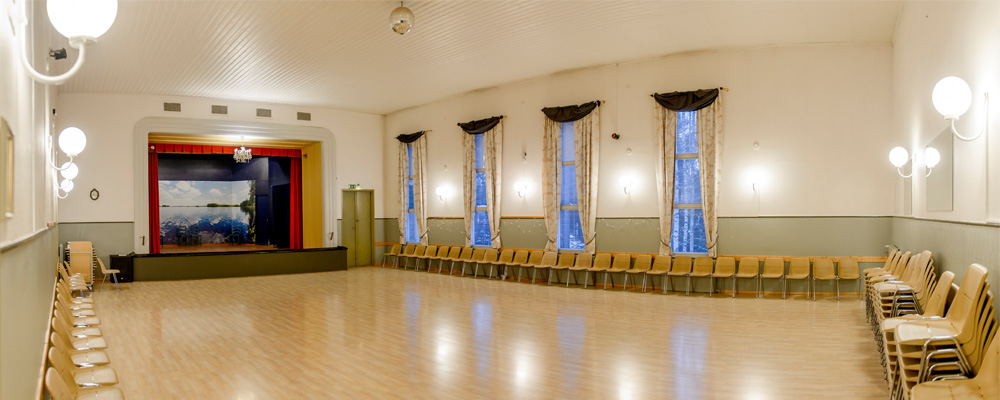
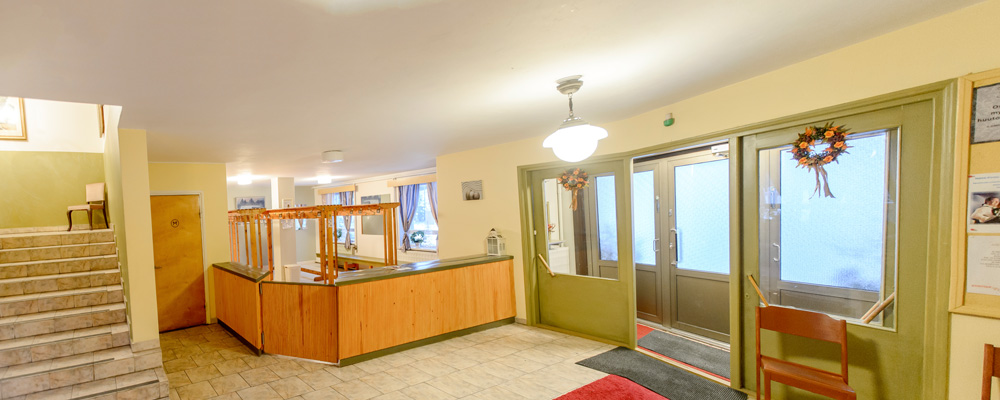
Hälläpirtillä tapahtuu laidasta laitaan. Emme julkaise yksityistilaisuuksia kalenterissa.
Ota yhteyttä ja tee oma tilavarauksesi.

Payment Method Bonuses in Australia vs New Zealand: What Kiwi Crypto Players Need to Know in New Zealand

Look, here’s the thing — if you’re a Kiwi punter who uses crypto or local banking to fund your pokie habit, the bonus landscape between Australia and New Zealand behaves differently, and that matters when you punt on a site with NZ$ in your wallet. This short guide gives practical steps and clear examples in NZ$ so you can compare offers, avoid rookie mistakes, and pick payment routes that actually save you time and fees. The opening two paragraphs give you the most useful stuff first, so read them and then you’ll know whether to dig deeper or just have a cheeky punt tonight.

Quick takeaway for Kiwi players in New Zealand

If you use POLi or local bank transfer (ANZ, BNZ, ASB, Kiwibank) you’ll often see instant deposits with no fee but fewer payment-specific bonuses; conversely, crypto and e-wallets (Skrill, Neteller) frequently unlock special bonus codes and faster withdrawals — which is sweet as for anyone chasing speed. That matters because bonuses tied to specific deposit methods can change an offer from NZ$50 of value to NZ$500 depending on wagering maths and max bet caps, so read on to see concrete examples and a quick checklist to use when a bonus looks too good to be true.

Article illustration

How payment-method bonuses work for Kiwi players in New Zealand

In short: casinos sometimes reward certain deposit rails to offset merchant costs or to incentivise fast withdrawals, and those bonus types vary across the Tasman. For example, an Australian-facing bonus might give extra spins for BPAY deposits, whereas a Kiwi-facing offer will reward POLi, Visa/Mastercard or crypto deposits depending on the operator’s NZ strategy. This difference means you should always check whether the NZ$ match, free spins, or cashback requires a particular payment type before you deposit, and I’ll show you how to calculate real value below.

Why POLi and NZ bank transfers matter in New Zealand

POLi is a very common deposit method for NZ players because it hooks directly into local banking (ASB, ANZ, BNZ, Kiwibank) and posts instantly with minimal fuss; banks like Kiwibank and ANZ are trusted names, so many Kiwi punters prefer them over foreign e-wallets. That convenience often comes with the trade-off that POLi deposits are excluded from some high-value bonus offers, so if you want that welcome 100% match you might need to use Visa or crypto instead — bear that in mind when you plan a deposit of NZ$50 or NZ$100. Next, I’ll break down how to compare the real value using wagering math so you don’t get hoodwinked.

Wagering math: turn a flashy offer into real NZ$ value (for NZ players)

Not gonna lie — bonus terms are where people get tripped up. If a welcome match says 100% up to NZ$500 with 30× wagering on the bonus, depositing NZ$100 nets you NZ$100 bonus but requires NZ$3,000 turnover (30×NZ$100). That’s a big ask and changes the expected value. To compare an Australian BPAY-triggered 200 free spins vs an NZ POLi NZ$100 match, translate everything into NZ$ per expected play (use RTP × effective stake after game weightings). This makes it obvious whether chasing the free spins is actually worth more than a straight NZ$50 instant match, and in the next paragraph I’ll give two short cases that make the math simple.

Mini-case A (Kiwi-friendly): POLi deposit vs crypto deposit in New Zealand

Case: You have NZ$100 to deposit. Option A: POLi deposit triggers a 50% match up to NZ$50 with 20× wagering on bonus; Option B: Bitcoin deposit triggers a 100% match up to NZ$100 with 30× wagering but also unlocks 50 free spins. Quick calc: Option A gives NZ$50 bonus requiring NZ$1,000 turnover; Option B gives NZ$100 needing NZ$3,000 turnover plus spins. If you mostly play pokies with ~96% RTP, Option B’s higher bonus can be better only if you can handle the turnover and play pokies that contribute 100% — otherwise Option A might be the safer, lower-variance pick. This shows why deposit method matters beyond speed — and the next paragraph compares real withdrawal times for both routes in NZ contexts.

Mini-case B (speed): e-wallet vs bank transfer for withdrawals in New Zealand

If you withdraw NZ$500 via Skrill (instant/within hours) versus NZ$500 by bank transfer (3–7 days), the effective value for an impatient punter is higher with Skrill — no conversion fees, and you can re-deposit to chase a cashout streak. That said, some casinos require deposit-withdrawal parity (you must withdraw to the same method you used to deposit), so if you put in NZ$300 by card and NZ$200 by crypto across sessions, withdrawals can get messy unless you know the rules. Next, I’ll show a compact comparison table of common options for Kiwi players in New Zealand so you can scan and decide fast.

Comparison table: Deposit & bonus traits for Kiwi players in New Zealand

Method (NZ) Typical Min Deposit Bonus Eligibility Speed (Deposit/Withdrawal) Good For
POLi NZ$20–NZ$30 Often eligible for standard welcome; excluded from some promos Instant / Bank rules apply Safe, no card fees
Visa/Mastercard (NZ$) NZ$30 Usually eligible for match bonuses; sometimes excluded from spin offers Instant / 1–3 days Easy, widely accepted
Skrill / Neteller NZ$30 Often unlocks e-wallet bonus & faster payouts Instant / Instant Speedy withdrawals
Crypto (BTC/ETH/USDT) NZ$30 Common for exclusive crypto bonus + lower fees Minutes to hours / Minutes to hours Fastest payouts, private
Bank Transfer NZ$100 Less commonly used for bonuses; higher min withdrawals 1–3 days / 3–7 days High-value cashouts

That table should help you scan where the bonus sweet spot is depending on whether you prioritise speed, low fees, or getting the largest match; in the next paragraph I’ll flag the most common pitfalls Kiwis fall into so you don’t make the same mistakes.

Common mistakes Kiwi players make in New Zealand (and how to avoid them)

  • Chasing the biggest percentage without checking wagering — always compute the turnover in NZ$ before you deposit, because a 200% match with 40× wagering can be worse than a 50% match with 10× wagering. This matters especially during Waitangi Day promos when offers spike.
  • Assuming all deposits qualify — read the T&Cs for exclusions (paysafecard/POLi/crypto can sometimes be excluded from specific codes).
  • Ignoring max bet caps — betting over NZ$7.50 per spin (example limit) can void bonuses; set your wager to avoid this trap.
  • Using a VPN — can get your account closed and your winnings confiscated if location checks fail during KYC with the Department of Internal Affairs rules in mind.

Each bullet addresses a real-world mistake I and my mates have seen, and in the next section I’ll give you a compact quick checklist you can keep on your phone before you deposit, so you don’t miss anything when you’re on the go between Spark coverage areas.

Quick checklist for Kiwi crypto players in New Zealand

  • Check if the bonus requires a specific deposit method (POLi vs crypto).
  • Convert wagering to NZ$: Wager × Bonus amount = required turnover in NZ$.
  • Confirm game contribution (pokies usually 100%; blackjack often 5%).
  • Note min deposit/withdrawal in NZ$ (e.g., NZ$30 deposit, NZ$60 withdrawal).
  • Have your KYC docs ready — passport/driver licence + proof of address.
  • Check processing windows against local public holidays (Waitangi Day, Matariki) which can delay bank transfers.

Keep that checklist handy and you’ll avoid most of the predictable headaches — next, a short mini-FAQ to answer the typical quick-fire questions Kiwi players ask me.

Mini-FAQ for Kiwi players in New Zealand

Is it legal for New Zealanders to play at offshore casinos?

Yep — New Zealanders can play on offshore sites; the Gambling Act 2003 prohibits operators from setting up remote interactive gambling in NZ (exceptions apply), but it doesn’t criminalise players. The Department of Internal Affairs and the Gambling Commission are the local regulators you should be mindful of when checking protection and complaints channels.

Are my winnings taxed in New Zealand?

For recreational Kiwi players, gambling winnings are generally tax-free — they’re treated as a hobby. That said, operators may face offshore gambling duties and some large wins can attract IRD attention if you’re operating at professional levels.

Which payment method is best for fast cashouts in New Zealand?

Skrill or crypto usually gives the fastest withdrawals (minutes to hours). Bank transfers are slowest (3–7 days). If you use POLi for deposits, plan your withdrawals accordingly since parity rules can apply.

That FAQ covers the basics; if you want a live example of a Kiwi-friendly site that mixes crypto, NZD options and a solid VIP loyalty program, read on as I point you to a resource used by many Kiwi punters and where to check updated local terms.

One place Kiwi players often check for NZ-specific info and local-friendly payment bonuses is king-billy-casino-new-zealand, which lists NZ$ options, POLi support and crypto rails in a way that helps compare promo eligibility quickly. Use that as a starting point, then run the quick checklist above before you deposit to keep your session choices tidy and sensible.

Another resource that frequently updates NZ promos and VIP mechanics is king-billy-casino-new-zealand, and it’s useful for spotting when a crypto-only bonus appears — just remember to verify wagering and max bet rules on the casino T&Cs before you chase it. With that pointer, the final paragraph below reminds you of responsible-play options and local support contacts.

18+ only. Gambling can be addictive — if you need help, call Gambling Helpline NZ on 0800 654 655 or visit gamblinghelpline.co.nz; for kaupapa Māori approaches see Purapura Whetu and local Problem Gambling Foundation resources. Play within limits, set deposit caps, and use self-exclusion tools if things get out of hand — that’s how you keep the fun in the flutter and avoid chasing losses.

Sources

  • Department of Internal Affairs (DIA) — Gambling Act 2003 summaries
  • Gambling Helpline NZ — 0800 654 655
  • Provider pages and promo terms for major casinos (sampled November 2025)

About the author

I’m a Kiwi writer and ex-punter who’s spent years testing NZ payment rails, bonus maths, and VIP systems across mobile and desktop (tested over Spark and One NZ networks). In my experience (and yours might differ), keeping things simple — check the NZ$ conversion, game weights, and KYC — avoids the most common head-aches. Chur, and have a responsible flutter.

NFT Gambling Platforms for Canadian Players — Opening a Multilingual Support Office in 10 Languages


Look, here’s the thing: if you’re launching an NFT gambling platform aimed at Canadian players, you don’t just need slick UX and blockchain plumbing — you need local payment rails, regulator-aware onboarding, and support staff who get the local lingo (yes, even “loonies” and “double-doubles”). This short briefing gets practical fast, so you can set up a 10-language support hub that actually works from coast to coast. Read on to see step-by-step actions and pitfalls to avoid, and how to serve players from The 6ix to Vancouver without sounding like an offshore bot.

To start, we’ll cover the Canadian legal and payments reality — that’s the baseline you can’t ignore — then walk through staffing, tech, and a compact operations checklist that fits into day-one launch plans. If you skip the legal/payment part, you’ll be firefighting later; so bookmark the next section tightly and read the regulator notes before anything else.

Support team helping Canadian players with NFT gambling platform

Regulatory Landscape for Canadian Players — What Operators Must Know (CA)

Honestly? Canadian law is nuance-heavy: the Criminal Code delegates gambling authority to provinces, and since Bill C-218 (2021) single-event sports betting is legal — but online/gaming rules still vary provincially. Ontario runs an open-licence model via iGaming Ontario (iGO) with AGCO oversight, while BCLC, OLG and AGLC operate regulated provincial platforms in BC, Ontario and Alberta respectively; outside those ecosystems many operators ran as grey-market sites under various offshore licenses. This legal patchwork shapes how you design KYC, deposits, and support flows, so map your user journey to each province you intend to serve, starting with Ontario and BC where the market is biggest.

That provincial split also dictates age limits and responsible-gaming tooling—19+ in most provinces, 18+ in Quebec, Alberta and Manitoba—and mandatory tools like self-exclusion, deposit limits and session reminders are expected in regulated provinces. Since that affects both product and support scripts, the next section explains payment integrations and how to keep player trust high during deposits and withdrawals.

Payment Rails Canadians Expect — Interac, iDebit, Instadebit and Crypto

Canadian players are picky about payments. Interac e-Transfer is the gold standard: instant deposits, familiar to banking customers, and works like a charm for C$20, C$50 or bigger C$1,000 moves. Interac Online still exists but is declining, while iDebit and Instadebit bridge bank connectivity when Interac isn’t an option. For privacy-focused customers, crypto rails are popular on grey-market sites but bring AML/KYC complexity if you aim for regulated provinces. Plan to support at least Interac e-Transfer plus one bank-connect alternative (iDebit/Instadebit) and a trustable e-wallet like MuchBetter or Paysafecard for small-ticket players, because this mix reduces friction and abandonment at the moment of deposit.

Don’t assume credit cards will work: many Canadian issuers block gambling charges on credit. That’s why supporting Interac and debit routes first, and showing clear CAD pricing like C$50 or C$500 throughout UX, reduces cart friction — and next, we’ll map payments to KYC and AML expectations so support staff can handle hold times and refund requests without drama.

KYC, AML and Customer Support Expectations in Canada

Not gonna lie — KYC is the choke point. Canadian regulators and FINTRAC expect proof-of-ID plus address verification; that typically means driver’s licence or passport and a recent utility or bank statement. Your support team needs clear SLAs on verification (example: ID check completed within 24–48 hours), plus scripts for ID fails and appeals. Implement a tiered onboarding: quick low-risk access for small C$20–C$100 play, then progressive verification for larger withdrawals up to C$10,000, which helps conversion and reduces early churn. This also means embedding escalation procedures for high-value players and suspicious activity, and training agents to reference local rules (iGO, AGCO, BCLC) when players ask about fairness or licences.

That ties directly into support tech choices — which I cover next — because your agent tools must surface transaction metadata, verification queues, and province-specific legal guidance in one pane to avoid delays that annoy Canadian players accustomed to fast banking with Rogers/Bell/Telus mobile coverage.

Support Tech Stack: Tools, Integrations and Language Coverage

Alright, so what do you actually buy? Practical stack: a ticketing layer (Zendesk/Zoho/Intercom), phone + IVR with local Canadian numbers, in-chat ID upload, payment reconciliation feed, and a CRM that tags province and payment method. For 10-language coverage, add professional translation with human review for critical flows (onboarding, T&Cs, RG tools) and neural MT for long-tail languages — but never auto-translate KYC or promo T&Cs without a human legal check. You’ll also want a knowledge base that surfaces province-specific rules (e.g., ”OLG and PROLINE details for Ontario”) and local holiday promo notices (Canada Day, Victoria Day, Boxing Day) so agents can advise on event-specific offers.

One practical note: integrate Interac/Instadebit vendor webhooks directly into ticketing to auto-create disputes and escalate them; that reduces manual lookups and keeps hold times low, which is crucial when players are on Rogers or Bell mobile networks and expect near-instant answers. Next up is staffing and shift design for a 10-language centre handling peak hours across Canadian time zones.

Staffing & Scheduling for a 10-Language Support Office Serving Canada

Start with a hub-and-spoke model: core staff in one timezone (Toronto/GTA or Vancouver) and remote agents in other provinces for language and local knowledge. Hire bilingual agents for English/French (essential for Quebec), and target hires for Punjabi, Tagalog, Mandarin, Spanish, Portuguese and Arabic depending on city demographics — Toronto, Vancouver and Montreal should guide priorities. Train all agents on provincial regulators (iGO, BCLC, AGLC) and payments (Interac e-Transfer, iDebit), then role-play refund and self-exclusion scenarios. Shift coverage should reflect hockey nights and CFL/CFL playoffs — heavy traffic spikes happen on weekends and during NHL games, so schedule senior agents for those peaks.

A good support playbook also includes local cultural touches: referencing ”double-double” for casual chat or acknowledging ”Oilers game” for Edmonton players builds trust, and that local tone reduces escalations; next I’ll show two quick real-world examples that illustrate how this all ties together in day-to-day ops.

Mini Case Studies — Two Short Examples from Launch Weeks

Case A: A Vancouver-based NFT drop caused a deposit surge; agents had Interac webhooks up so 90% of funding issues auto-resolved, and queued KYC checks for high-value wallets. The result: average hold-time fell from 27 minutes to under 8 minutes within 72 hours, and churn on first deposit dropped by 18%. This shows why Interac-first design matters in Canada, and why the next section’s checklist is urgent.

Case B: An Ontario marketing push linked provincial promos to iGO rules, but the French translations were poor; Quebec players got confused about age limits and several files escalated to regulators. After hiring a francophone QA editor and updating the KB, complaint volume halved in two weeks. That illustrates the ROI of native-language legal checks — and now you’ll get a one-page quick checklist to act on today.

Quick Checklist — Launch Essentials for Canadian NFT Gambling Support

Here’s a tight checklist you can act on immediately: 1) Enable Interac e-Transfer and at least one bank-connect (iDebit/Instadebit); 2) Publish pricing & limits in CAD (C$20, C$50, C$100 examples) across UX; 3) Install province-aware KYC flows with 24–48h SLAs; 4) Localize French properly and cover top immigrant languages; 5) Integrate payment webhooks into your ticketing system; 6) Train agents on iGO/AGCO/BCLC basics and responsible gaming tools. Follow this order to reduce payment churn and regulatory headaches, and next I list common mistakes you should avoid.

These items set you up to hit day-one operational targets; after that you’ll want to monitor metrics like first-deposit conversion, verification time, and RG opt-outs, which I’ll cover in the mistakes section to help you dodge real traps.

Common Mistakes and How to Avoid Them (Canadian-Focused)

Not gonna sugarcoat it—operators often: 1) underestimate Interac availability and only offer cards (bad), 2) use machine-translated legal text (very bad in Quebec), 3) ignore provincial age differences, and 4) fail to map promo T&Cs to region-specific rules. Avoid these by prioritizing bank-connect options, using human-reviewed French, surfacing age rules at sign-up, and keeping promo fine print province-aware. If you fix those four, you’ll cut complaints by a meaningful margin in month one.

Those are the headline traps; below is a concise comparison table of tooling choices so you can decide what to buy first before recruiting a 10-language team.

Comparison Table — Support & Payment Options

Function Option A (Fast) Option B (Balanced) Option C (Privacy-focused)
Primary Deposit Interac e-Transfer (recommended) iDebit / Instadebit Bitcoin / Crypto rails
Ticketing Intercom / Zendesk Zoho + Local IVR Custom platform with PII vault
Language coverage English + French + Punjabi, Mandarin + 6 additional languages (outsourced)
Regulatory fit Designed for Ontario + BC Works across provinces with manual checks Grey-market (higher compliance risk)

Okay, you’ve seen the table and the checklist — if you want a working example of an operator that blends regulated footprints with multilingual support, check how a Canadian-facing retail brand does it and model the UX copy and payment flows on that approach. For reference and a suggestion that fits Canadian players, consider a partner site modeled for local expectations like grand-villa-casino, which demonstrates CAD pricing, Interac-ready flows, and clear province notes for Canadian players.

Next I’ll give the mini-FAQ so your team can have short answers at the ready during day-one rushes.

Mini-FAQ for Support Agents Working Canada-Focused Projects

Q: What payment should we recommend first?

A: Recommend Interac e-Transfer first for most Canadian customers — it’s instant, trusted, and avoids card issuer blocks; offer iDebit/Instadebit as fallback, and only offer crypto if you’re explicit about withdrawal times and AML checks. This helps reduce support tickets and speeds up first-deposit conversion.

Q: How long should KYC take?

A: Target 24–48 hours for standard ID checks; communicate expected wait in the app and provide a real-time ticket link so players don’t panic on contact holds. Clear expectations = fewer escalation calls from Canucks who just want to spin a few C$50s tonight.

Q: Do we need French support for Quebec?

A: Yes — human-reviewed French is mandatory for legal pages and high-touch support; many players will leave if they see poor translation. This isn’t optional if you want to keep regulatory risk low and player satisfaction high.

Q: What about age and responsible gaming?

A: Display province-specific age rules at sign-up (19+ on most, 18+ in QC/AB/MB), enable deposit/time limits, and link to ConnexOntario (1-866-531-2600) and GameSense where relevant; train agents in empathetic language for RG conversations.

Finally, if you’re evaluating partner platforms or looking to benchmark a Canadian-friendly site for UX and support design, review a local example that intentionally supports CAD, Interac, and provincial language nuances — one such example to review is grand-villa-casino, which highlights CAD pricing and local payment options so you can borrow UI patterns and phrasing that Canadian players recognize and trust.

Play responsibly — 18+/19+ as per your province (check local rules). If gambling feels like a problem, contact ConnexOntario at 1-866-531-2600 or visit playsmart.ca for help; your platform should surface these resources prominently during onboarding and in account settings.

Sources

  • iGaming Ontario / AGCO public resources (regulatory outlines and player protections)
  • FINTRAC guidance on KYC/AML for Canadian gaming platforms
  • Interac merchant integration documentation
  • Provincial operator pages (BCLC, OLG, AGLC) for responsible gaming tools

About the Author

I’m a Canadian operations lead with hands-on experience launching payments and support for gaming platforms in Canada, having run payment integrations, multilingual contact centres, and RG programs across Ontario and BC. In my experience (and yours might differ), the quickest wins come from prioritizing Interac e-Transfer, human-reviewed French localization, and clear province-specific KYC SLAs — those three moves alone cut first-week churn dramatically. If you want a short, practical launch review for your stack, I can help audit it in one call.

Gambling Superstitions & Future Tech: What Canadian Players Need to Know

Look, here’s the thing: superstition and tech both shape how Canadians play, from a backyard hockey pool to an evening on video slots, and that matters if you care about wins, losses, and safety. This quick intro shows why beliefs like “hot machines” live alongside blockchain staking and how you can navigate both as a Canadian player. The next section digs into the most common superstitions you’ll actually hear in bars and casinos across the provinces.

Common Superstitions Among Canadian Players (for Canadian players)

Not gonna lie—some of these sound goofy until you hear them at a Tim Hortons table over a Double-Double. The usual suspects are: lucky loonie tucked in a wallet, avoiding black cats before a big bet, “hot streak” machines, rituals before entering a casino, and number superstitions around 7 or 13. These play out coast to coast and even show up in The 6ix (Toronto) and St. John’s tailgates. The paragraph that follows explains why these myths stick around despite better odds math, and why players from BC to Newfoundland still cling to them.

Article illustration

Why Superstitions Persist in Canada (for Canadian players)

Honestly? Cognitive bias and variance do most of the work. If you win after a ritual—say, placing a Loonie on a machine—you remember it, and you forget the many times the ritual didn’t help. Add in local culture—Leafs Nation optimism, friendly office hockey pools, and talk over a Two-four on long weekends—and you get sticky beliefs. This leads naturally into the psychology behind chasing patterns and how that connects to responsible play.

Psychology & Bankroll Management: A Canadian View (for Canadian players)

Real talk: superstition can lead to tilt and chasing, especially after a bad stretch. Bankroll rules that work in Canada are simple—set a deposit limit in C$ (for example C$50 per session, C$500 monthly), treat losses as entertainment, and use reality checks during play. That practical advice transitions us to payment methods, because how you fund your play changes both behavior and safety on Canadian sites and venues.

Local Payment Methods — What Canadians Actually Use (for Canadian players)

Interac e-Transfer is the gold standard for Canadians: instant deposits, trusted, and fully CAD-native; many casinos also accept Interac Online. iDebit and Instadebit are common bank-connect bridges for players who want instant deposits without giving card details. Debit cards via Visa/Mastercard work but some banks block gambling charges, which is why Interac is preferred. If you prefer crypto, Bitcoin appears on many offshore sites but carries volatility and less consumer protection. The next paragraph gives a quick comparison table to help you choose.

Method Speed (deposit/withdrawal) Typical Fee Canadian-friendly
Interac e-Transfer Instant / 1–2 business days Usually C$0–C$1 Excellent (requires CA bank account)
iDebit / Instadebit Instant / 1–3 business days Low (varies) Very good
Visa / Mastercard (debit) Instant / 1–3 business days 0%–2.5% Good, but issuer blocks possible
Bitcoin / Crypto Minutes–hours / Minutes–hours Network fees High on offshore sites; lower consumer protection

Where Superstition Meets Tech: Practical Cases for Canadian Players (for Canadian players)

Case 1: A Toronto Canuck who swears by a lucky loonie actually limited losses after switching to preset deposit limits in C$20 increments—so superstition stayed, but harm was reduced. Case 2: An online player from Calgary used Bitcoin on a grey-market site and liked speed, but later faced long KYC holds when converting to CAD—so anonymity came at a cost. Both cases show trade-offs and lead into how licensing and regulation protect Canadians, which is the next topic.

Licensing & Safety: What Canadians Should Watch For (for Canadian players)

Play on licensed platforms whenever possible. Ontario’s iGaming Ontario (iGO) under the AGCO framework guarantees strong KYC, FINTRAC-compliant AML, and consumer protections; Alberta’s AGLC covers local land-based venues. Kahnawake hosts many grey-market servers but offers different oversight. If you’re in regulated Ontario or at a provincial Crown site like PlayNow or Espacejeux, you get stronger recourse. That sets up the middle-of-article practical recommendation below where I show a trusted option for Canadian players.

Practical Recommendation for Canadian Crypto-Friendly Players (for Canadian players)

For Canadians balancing crypto convenience and local protections, consider hybrid platforms that accept Interac plus crypto and clearly state CAD support and KYC timing. One locally-aware option worth checking for Alberta and Canadian-landed offers is ace-casino, which advertises CAD support and familiar payment rails for Canadian players. The paragraph that follows explains how to compare offers and read bonus math before you opt in.

How to Read Bonus Math & Spot Value (for Canadian players)

Don’t be dazzled by a “200% match” without doing simple math: (Deposit + Bonus) × Wagering Requirement = turnover required. Example: a C$100 deposit with a 100% match and 35× WR means (C$100 + C$100) × 35 = C$7,000 turnover before withdrawal—ouch. Prioritize bonuses with lower WR, clear game contributions, and CAD balances to avoid conversion fees. Next, I compare three approaches (fiat-only, hybrid, crypto-first) so you can see trade-offs fast.

Approach Pros Cons Best for
Fiat-only (Interac, Debit) Fast CAD payouts, bank-level protection Bank blocks possible on credit Most Canadian players
Hybrid (Interac + Crypto) Flexible funding, fast deposits Complex KYC, possible conversion fees Experienced crypto users who want CAD)
Crypto-first Privacy, quick transfers Less recourse, volatility Privacy-focused players willing to accept risk

Where to Play Safely in Canada (for Canadian players)

If you value oversight, stick with regulated provincial options or operators licensed by iGO/AGCO in Ontario or AGLC in Alberta. If you browse offshore options, do your homework: check lab testing (eCOGRA, iTech), read withdrawal times, and verify CAD wallets. For those who want a quick place to start that emphasizes CAD and Interac support, ace-casino is presented as a Canadian-facing option with explicit CAD mechanics. The next section gives a Quick Checklist so you can vet any site in under five minutes.

Quick Checklist for Canadian Players (for Canadian players)

  • Confirm CAD support and no hidden conversion fees (e.g., C$50 = C$50 in account).
  • Look for Interac e-Transfer or Interac Online in payments.
  • Check license: iGO/AGCO, AGLC, or provincial Crown.
  • Read wagering requirements: compute turnover before deposit.
  • Verify payout times (Interac 1–3 days typical) and KYC timing.
  • Set deposit limits in C$ and enable reality checks.

These checks save time and keep your bankroll intact; the following section lists common mistakes and how to avoid them so you don’t get caught by flashy promos or superstition-driven bets.

Common Mistakes and How to Avoid Them (for Canadian players)

  • Chasing wins after superstition-led “hot streak” thinking — solution: fixed session bankroll, e.g., C$20 per session.
  • Using credit cards that banks block — solution: use Interac e-Transfer or debit.
  • Accepting high-WR bonuses without math — solution: calculate turnover first (see examples above).
  • Playing offshore without reading KYC/payout rules — solution: test with a small deposit and request a small withdrawal first.
  • Ignoring responsible gaming tools — solution: set deposit/time limits and use self-exclusion if needed.

Follow these tips and you’ll avoid the classic rookie traps that turn a fun C$100 night into expensive regret, which brings us to a short Mini-FAQ for quick answers.

Mini-FAQ (for Canadian players)

Is gambling income taxable in Canada?

Generally no—recreational gambling winnings are considered windfalls and are tax-free for most Canadians, though professional gamblers are a rare exception; check CRA if unsure. This raises the point of documentation which we touch on next.

Which payment method is fastest in Canada?

Interac e-Transfer for deposits, and many sites process Interac withdrawals in 1–3 business days—wire and cheques take longer. That naturally leads into KYC timing and why your first withdrawal is slower.

Can I use VPNs to access other provincial sites?

Not recommended—provincial platforms geolocate and require you to be physically present; trying to spoof location can get accounts suspended. If you need broader access, the safer route is to find an operator licensed for your province.

18+ only. Play responsibly: set deposit limits, watch playtime, and if you need help call ConnexOntario (1-866-531-2600) or visit PlaySmart/ GameSense resources. This article is informational and not financial advice, and it’s grounded in Canadian regulatory norms. The following final note wraps up the practical takeaway and who to contact for more local help.

Sources

  • Provincial regulators: iGaming Ontario (iGO) / AGCO, AGLC (Alberta)
  • Payment networks and processors: Interac e-Transfer, iDebit, Instadebit
  • Gaming operators and lab testers (industry public materials)

These sources reflect Canadian payment and regulatory norms and point you toward provincial sites for verification, which is helpful when you want to confirm license status before staking real C$ on a new platform.

About the Author

I’m a Canada-based gaming analyst who’s spent years cross-checking payment rails, bonus math, and provincial licensing while chatting with everyday players from Toronto to Vancouver. In my experience (and yours might differ), blending a little scepticism with practical checks—Interac support, CAD balances, realistic WR math—keeps play fun and safer. If you want a follow-up on any point—bonus examples, deeper EV math, or a comparison for Albertans versus Ontarians—drop a line and I’ll try to help.

VIP Host Insights & Betting Exchange Guide for Australian Punters — Lets Lucky Casino Update

VIP Host Insights & Betting Exchange Guide for Australian Punters — Lets Lucky Casino

Look, here’s the thing: if you’re an Aussie punter curious about VIP hosts, betting exchanges and offshore casinos, you want straight talk without the fluff. This update focuses on what matters Down Under — account safety, payment lanes like POLi and PayID, and the real risks of Curaçao-licensed sites so you can make a measured punt. Keep reading and you’ll get a quick checklist and clear, practical tips for the arvo or late-night session ahead.

Why Australian Punters Should Care About VIP Hosts & Betting Exchanges in 2026

Not gonna lie — VIP hosts can be gold for regular players, but they’re not magic. A good host negotiates faster KYC, better withdrawal windows and bespoke promos; a poor one just pats you on the back and forgets you after a few spins. This raises the obvious question about which platforms actually deliver for Aussies, and that’s why a close look at letslucky matters below.

Article illustration

How VIP Hosts Operate for Australian Players — Practical Signals to Spot

VIP hosts are basically your account advocate — they speak to ops, speed up verifications and sometimes rescue stuck withdrawals. In practice, look for transparent response times, named account managers and written escalation paths; absence of these is a red flag that costs you time and money. If your host promises guaranteed fast payouts but won’t commit to SLA times, that’s your cue to push for written confirmation before moving any big A$ amounts.

Payment Options Aussie Punters Actually Use — POLi, PayID, BPAY & Crypto

Real talk: payment choice is a key differentiator for punters from Sydney to Perth. POLi and PayID are the local workhorses for deposits — instant, bank-linked and familiar to punters who don’t want card hassles. BPAY remains handy for slower deposits, while Neosurf is useful for privacy. For offshore sites, crypto (BTC/USDT) is common because credit card gambling is restricted in licensed AU sportsbooks. These payment lanes directly affect how quickly a VIP host can move your cash if something goes sideways, so always note which method you used when you contact support.

Quick Checklist for Australian Punters Before Accepting VIP Perks

Here’s a lean checklist you can use right away: (1) Confirm the regulator listed and check ACMA status, (2) Ask your VIP host for written withdrawal SLAs, (3) Verify accepted deposit/withdrawal methods — ideally POLi/PayID or crypto, (4) Review wagering requirements in A$ and convert examples to your usual stake, and (5) Keep KYC documents ready to avoid delays. Follow this and you’ll avoid the most common hold-ups; next we’ll unpack wagering math so you know what those promos actually cost.

Wagering Math — How a Bonus Can Cost Aussie Punters in Real Numbers

Not gonna sugarcoat it — headline bonuses hide math that punters often miss. Example: a 100% match with 40× wagering on (D+B) for a A$100 deposit means turnover = 40 × (D+B) = 40 × (A$100 + A$100) = A$8,000 required before cashout. That’s a lot of spins on pokies with 95% RTP; variance will bite you. Understand the math, then ask your VIP host whether the offer is realistic for your typical bet size — if not, politely decline and take a smaller, cleaner promo.

Comparing Withdrawal Options for Aussies — Speed, Fees & Safety

Method Typical Speed Fees Best Use
POLi Instant (deposit) Usually free Quick deposits from major banks (CommBank, NAB)
PayID Instant (deposit/withdraw for supported sites) Low / free Everyday banking via email/phone ID
BPAY 1–2 business days Usually free Trusted bill-pay style deposits
Crypto (BTC/USDT) Minutes–hours Network fees Offshore withdrawals where fiat lanes are limited
Bank Transfer 1–5 business days Possible bank fees Large withdrawals with ID verified

That table shows why many Aussie punters prefer POLi and PayID for deposits and crypto for fast offshore cashouts; the payment choice will shape how your VIP host prioritises your case, so keep receipts and reference IDs handy when escalating issues.

Case Examples — Two Short Aussie Scenarios That Teach Lessons

Example 1: A punter from Melbourne deposits A$50 via POLi, activates a 50 free spins bonus with 30× wagering on D+B, and assumes it’s a quick win — but hits the 30× turnover ceiling after chasing high-variance pokies and ends up down A$120 overall. The bridge: always compute turnover in A$ before accepting.

Example 2: A Brisbane punter with a nameable VIP host requested a priority withdrawal of A$1,000 via crypto; the host secured a same-day processing because the site accepted BTC payouts — saved days of waiting and reduced emotional tilt. The bridge: choose payment lanes that line up with host capability.

Where Lets Lucky Fits for Australian Punters

Alright, check this out — if you’re scanning offshore options, letslucky is one of the platforms you’ll encounter that markets heavily to Aussies, offering lots of pokies (think Lightning Link, Queen of the Nile, Big Red) and crypto lanes for speedy cashouts. That said, the site carries a Curaçao licence, so your escalation path differs from a fully AU-licensed bookie; weigh that risk, and always document chat transcripts and withdrawal IDs when dealing with a VIP host so you have evidence if you need to escalate. The next section digs into legal reality for AU punters and what ACMA blocking can mean for access and dispute resolution.

Legal Context for Australian Players — ACMA, IGA and State Regulators

Real talk: the Interactive Gambling Act 2001 and ACMA are the core references for Australian players; ACMA blocks domains it deems illegal and enforces restrictions, but it does not criminalise the punter. For land-based matters you’ve got Liquor & Gaming NSW and the VGCCC in Victoria. This legal patchwork matters because it affects access, and your VIP host can’t change the law — they can only work within the platform’s policies to help you, so always keep expectations reasonable. Next we’ll cover common mistakes that trip up punters and how to avoid them with a VIP host.

Common Mistakes and How to Avoid Them — Practical Advice for Aussie Punters

  • Missing KYC documents — fix: upload passport/drivers licence + a recent bill before you deposit so withdrawals aren’t held.
  • Ignoring wager math — fix: convert WR into A$ turnover examples (e.g., A$100 deposit at 35× on D+B = A$7,000 turnover).
  • Using the wrong payment lane — fix: prefer POLi/PayID for deposits and crypto for faster offshore withdrawals if supported.
  • Trusting ambiguous VIP promises — fix: ask for written SLAs and escalation steps.
  • Chasing losses after a bad run — fix: set session and weekly limits and use self-exclusion tools like BetStop where needed.

Each of these avoidable errors starts with poor planning, and the right VIP host will remind you to get documents ready and confirm the terms before you press go, which is why the next section explains how to evaluate a host quickly.

How to Vet a VIP Host Quickly — Questions to Ask Right Now

Ask: ”What’s your average verification clearance time?” and ”Do you have an escalation email for payouts that exceed A$2,000?” Also ask which payment methods they prioritise and whether they can secure manual reviews — their answers reveal whether they’re a paper-pusher or a real advocate. If they’re fuzzy, scale your activity down until they prove reliability; the next section links this to responsible play and local help resources.

Mini-FAQ for Australian Punters

Is it legal for Aussies to play on offshore sites like letslucky?

Yes — the law doesn’t criminalise players, but the Interactive Gambling Act and ACMA can block access and the operator’s licence (e.g., Curaçao) affects your dispute options; keep records and use a VIP host to help if things go wrong.

Which deposit method gives fastest access for Aussies?

POLi and PayID are fastest for deposits. For withdrawals, crypto often beats bank rails on offshore sites, but that depends on site policies and KYC status.

How do I handle a delayed withdrawal over A$1,000?

Contact your VIP host with the transaction ID, request an ETA in writing, and if unresolved, escalate to support with time-stamped chat logs; keep one copy of every message in case you need to use external dispute channels later.

Those are the questions that keep turning up in chat rooms and RSL back-rooms alike, and answering them early saves a tonne of grief — next I’ll leave you with a quick checklist to stash on your phone.

Quick Checklist — Save This for Your Next Session (Australia)

  • 18+; confirm age and have ID ready
  • Prefer POLi/PayID or crypto for deposits/withdrawals
  • Compute wagering in A$ before claiming bonuses
  • Get VIP host SLAs in writing for withdrawals over A$500
  • Keep chat transcripts and transaction references
  • Know local help: Gambling Help Online 1800 858 858; BetStop for self-exclusion

Stick this list in your notes app before your next arvo session — it’ll stop you making the rookie errors described earlier and make your VIP host’s life easier, which in turn helps you get faster outcomes.

Final Take for Australian Punters — Practical Recommendation

In my experience (and yours might differ), a VIP host is worth their weight when they deliver consistent response times, prioritise the right payment lanes (POLi/PayID/crypto) and can produce written SLAs. If you want to trial an offshore option with an Aussie-friendly vibe, check the platform entry page and community chatter first — for example, letslucky shows heavy Aussie targeting and crypto options, but remember the Curaçao licence means different protections than an AU-licensed operator. Be pragmatic: small tests, clear documentation and strict bankroll limits will keep sessions fun and manageable.

Responsible gaming: 18+. If gambling stops being fun, call Gambling Help Online on 1800 858 858 or register with BetStop (betstop.gov.au) to self-exclude. Always set deposit and session limits before you play.

Sources

  • Interactive Gambling Act 2001 — ACMA guidance (Australia)
  • Gambling Help Online — 1800 858 858
  • Site payment providers documentation: POLi, PayID, BPAY

About the Author

I’m a Sydney-based former bookmaker-turned-writer who’s spent years working across betting ops, VIP service desks and payments teams; I write for Aussie punters who want direct, practical advice (just my two cents). If you want a follow-up on VIP contract templates or escalation email wording, say the word and I’ll draft one up next.

Basic Blackjack Strategy & Virtual Reality Casinos for Canadian Players

Alright, so you’re a Canadian player — maybe from the GTA, the 6ix, or coast to coast — and you want practical blackjack strategy that works whether you’re on your phone between shifts or trying out a VR casino after a double‑double run. This guide gives intermediate, mobile‑first advice with clear numbers in C$ so you can make fast, confident decisions without getting lost in jargon. The first two paragraphs deliver what matters: crisp strategy actions and where VR changes the game. Keep reading for checklist items and bankable tips that actually help you on the reels and tables.

Look, here’s the thing: basic blackjack strategy is mostly about removing guesswork — hit/stand/split/double decisions using the dealer’s visible card as your roadmap — and VR casinos change the interface, not the math. I’ll show you the common plays, bankroll sizing in C$ examples, and the small tweaks for mobile and VR play that matter to Canucks. Next, we’ll cover how payments and Canadian‑friendly cashouts affect which sites you use.

Canadian player trying VR blackjack on mobile

Core Blackjack Strategy for Canadian Players (Quick, Mobile‑Friendly)

Not gonna lie — mastering basic strategy is easier than memorizing hockey stats for Leafs Nation fans, and it returns the most value for the least effort. Start with a cheat‑sheet: stand on hard 12 vs dealer 4–6, always split aces and 8s, never split 10s, double on 11 vs dealer 2–10 when allowed. These simple rules shrink the house edge by about 0.5–1.5%. Next, we’ll quantify bankroll sizing for mobile sessions.

Practical bankroll sizing: if you play micro stakes on mobile, a sensible unit is C$1–C$5; for comfortable mid‑stakes, C$20 per unit is common. Example scenarios: with a C$100 session (ten C$10 units) use flat betting or 1–2% risk per hand; with C$500 bankroll, consider 0.5–1% per hand to weather variance. These numbers help you survive swings — and yes, variance is real, so don’t chase via Martingale after a losing streak. I’ll explain common mistakes and how to avoid them next.

Common Mistakes for Canadian Players & How to Avoid Them

Frustrating, right? People often overcomplicate or ignore the basics — hitting a 12 vs a dealer 6 (bad), splitting 9s vs a 7 (suboptimal), or failing to use soft totals properly. Another frequent error is betting too large on mobile after a win; this tilt behavior drains a bankroll fast. I’ll list the key mistakes you need to fix and then move into VR‑specific adjustments.

  • Chasing losses after a bad stretch — set session limits and stick to them so you don’t burn through a C$50 toonie stash.
  • Ignoring surrender when available — early/late surrender can save you significant amounts in the long run.
  • Playing too fast on live dealer tables on mobile — slow your pace to avoid mistakes in doubling or splitting.

Those fixes are straightforward — next we’ll look at how virtual reality casinos change timing, attention, and edge calculations.

How Virtual Reality Casinos Affect Blackjack Strategy for Canadian Players

VR doesn’t alter the math; it alters perception and pacing. In VR you can see a dealer and table in 3D which increases immersion — and that tends to increase session length unless you set timers. Real talk: that immersion can be a trap if you treat VR like free entertainment and not paid play. I’ll outline the adjustments you should make for VR sessions.

Practical VR adjustments: lower your per‑hand stake by 20–30% compared with standard live play to offset longer sessions, use session timers and reality checks (many Canadian platforms now offer them), and prefer smaller, higher‑RTP hands when clearing promos. After this, we’ll check how payment methods in Canada influence which VR or live sites to choose.

Payments and Canadian Banking — What Mobile Players Need to Know

Interac e‑Transfer, Interac Online, iDebit, and Instadebit are the payment methods Canucks trust most, and rightfully so — Interac e‑Transfer gives near‑instant deposits and is widely accepted, making it the gold standard for quick, CAD‑based funding. If you’re withdrawing, e‑wallets like Skrill or crypto options may be fastest but check KYC. Next I’ll compare three practical deposit/withdraw options for a mobile player.

Method Typical Min (CAD) Typical Speed (Deposits/Withdrawals) Why Canadians Like It
Interac e‑Transfer C$15 Instant / 1–2 business days Bank‑level trust, no card blocks, familiar to Canucks
iDebit / Instadebit C$15 Instant / 1–3 business days Direct bank bridge when Interac not available
Crypto (BTC/ETH) ≈C$15 equivalent 10–60 min network / 1–24h approval Fast, avoids issuer blocks; extra steps for CAD conversion

Every method has tradeoffs — fees and FX matter; if you deposit in EUR the site may convert and eat a spread, so prefer CAD accounts to avoid extra costs. Next, I’ll show why licensing matters for player safety in Canada.

Licensing & Safety: What Canadian Players Should Check

In Canada the landscape is provincial: Ontario uses iGaming Ontario (iGO) and AGCO oversight, BC/Manitoba use PlayNow/BCLC, and First Nations regulators like Kahnawake host many grey‑market operations. Always confirm the operator’s regulatory coverage for Canadian players — it affects dispute resolution, payout guarantees, and available payment rails. Next, I’ll point out a couple of platform signals that separate reliable sites from sketchy ones.

Reliable signals include published KYC processes, public complaints resolution steps, and transparent payout times in CAD. Also check for SSL/TLS, 2FA, and clear responsible gaming tools that match Canadian resources like ConnexOntario; these protections are non‑negotiable before you deposit. After that, I’ll introduce a live platform example and where to look for quick value.

For mobile players looking at live casino breadth and sportsbook depth, dafabet is one site that often appears in Canadian reviews for its mix of live dealers and sportsbook markets, and it supports multiple funding options suitable for Canucks like Interac e‑Transfer alternatives. If you want to test a site, do a small C$20 trial deposit first to confirm KYC and cashier flow. Next, I’ll give a compact checklist you can use before you sign up.

Quick Checklist for Canadian Mobile & VR Blackjack Players

  • Are deposits/withdrawals available in CAD? (avoid conversion fees)
  • Is Interac e‑Transfer or iDebit shown in the cashier?
  • Does the site publish wagering and max bet caps for bonuses?
  • Is KYC clear and is 2FA available?
  • Do responsible gaming tools and provincial helplines appear? (e.g., ConnexOntario)

Use this checklist to vet a platform quickly, then run a small session to confirm UX on Rogers or Bell networks; that performance test helps avoid surprises when you scale up. Next, a short comparison table of approaches to clearing bonus wagering on mobile.

Approach Best When Risk
Slots‑first (100% contribution) Wagering requirement ≤30×, prefer high RTP slots like Book of Dead Higher variance, faster turnover needed
Mix slots + low‑edge table play Lower WR and you’re comfortable with basic strategy Table contribution often <100% so slower clear
Cash‑only (no promo) Want instant withdrawals and no strings Missed extra bonus value

Choose the approach that matches your session style — mobile players often prefer slots‑first for speed, while live dealer fans pick mixed approaches. Next I’ll cover common mistakes again in a compact way and then finish with a mini‑FAQ.

Common Mistakes and How to Avoid Them — Quick Reference

  • Avoid exceeding max bet caps while clearing bonuses — check T&Cs first.
  • Don’t use credit cards if your bank blocks gambling — prefer Interac or iDebit.
  • Don’t skip KYC until withdrawal time — verify early to prevent weekend delays.

Fix these and you’ll eliminate most payout headaches and frustration, which brings us to the final mini‑FAQ for quick answers on mobile play.

Mini‑FAQ for Canadian Players

Is gambling income taxable in Canada?

Short answer: recreational wins are generally tax‑free as windfalls; only professional gamblers might face taxation as business income. Keep records if you think you fall into the latter category, and consult CRA guidance if unsure. Next question: what age limits apply?

What’s the legal gambling age in Canada?

Depends on province: typically 19+ (Ontario, BC), 18+ in Quebec, Manitoba, and Alberta; always confirm local rules before you play and verify the operator’s age policy. Now, where can I get help if play stops being fun?

Who do I call for problem gambling help in Canada?

Use provincial resources: ConnexOntario (1‑866‑531‑2600) for Ontario, or local lines in BC and Quebec; these services are confidential and tailored to Canadian needs. Finally, are there trusted sites to test with small deposits?

How should I test a new site on mobile?

Do a small C$20–C$50 deposit, confirm Interac or iDebit flows, try a small withdrawal after KYC, and evaluate app speed over Rogers/Bell; if all works, scale cautiously. That wraps our FAQ and leads into closing notes.

18+ only. Play responsibly — set deposit and session limits, use self‑exclusion tools if needed, and contact local help lines (ConnexOntario, GameSense) if gambling stops being fun. If you’re looking for a platform to inspect, remember to test with a small C$20 deposit and check cashier options like Interac e‑Transfer; one site to consider during your research is dafabet.

Sources

Industry experience, provincial regulator guidance (iGaming Ontario / AGCO), and common payment provider documentation for Canada informed this article. Game popularity references reflect titles popular with Canadian players like Mega Moolah, Book of Dead, Wolf Gold, Live Dealer Blackjack, and Big Bass Bonanza. Next, a short author note.

About the Author

I’m Avery Campbell, based in B.C., a payments and compliance observer who writes about Canadian‑friendly gaming options and mobile play. I’ve tested mobile and VR casino flows on Rogers and Bell networks, run small‑stake sessions across provinces, and focus on practical tips rather than hype — just my two cents, but tested in real sessions. If you follow a calm plan, keep to C$‑sized units, and verify KYC early, you’ll save time and avoid common payout headaches.

Spread Betting Explained: Roulette Betting Systems for Canadian High Rollers

Look, here’s the thing: if you’re a Canadian high roller — whether you’re in the 6ix or cheering the Habs — roulette systems aren’t magic, but they can be structured to manage variance and bankroll risk. This guide dives into spread betting concepts applied to roulette, gives concrete C$ examples (so you can plan in CAD), and points out where local regulations and payment rails matter for players in Canada. Next up: the basic idea behind spread betting and why it’s relevant for big-stake roulette play.

What Is Spread Betting in Roulette — for Canadian Players

In this context, “spread betting” means distributing your action across multiple bets or bet sizes to control exposure rather than all-in single wagers. Instead of one huge bet, you stagger units (e.g., C$200 per unit) across dozens of spins or bet types. That reduces the chance of catastrophic drawdowns, but it also changes your volatility profile—so you’ll win smaller but more consistent amounts when luck aligns. The math below explains why that trade-off matters.

Article illustration

How the Math Works — EV, RTP and Volatility for High Rollers in Canada

Roulette has clear expected value (EV) per spin: European roulette ≈ 97.30% RTP, American ≈ 94.74% RTP. For a C$1,000 bet on European wheels, expected long-run loss = C$27 on average per spin. Not gonna sugarcoat it—variance matters more than EV for short sessions, and that’s where spread betting shines because it tames variance by sizing units. Let’s run a C$ example for clarity.

Example: Start bankroll C$10,000. Define unit = C$200 (2% of bankroll). If you place five units across different bets (even-money and column), your max single-spin exposure equals C$1,000, but your expected loss per spin is still the house edge × exposure (C$1,000 × 0.027 = C$27 on EU wheel). That math shows how size and number of units determine both risk and expected loss, and we’ll use it to build practical strategies next.

Top Roulette Betting Systems (and how to adapt them for Canadian conditions)

Alright, so the classic systems — Martingale, Labouchère, Fibonacci, Paroli — all have pros and cons. For high rollers in Canada you need to adapt each to account for table limits, casino tolerance, and bankroll; otherwise they blow up fast. Below is a quick comparison table of systems tailored for high-stakes play in CAD.

System Core Idea When to Use (High-Roller Angle) Main Risk
Conservative Spread (custom) Fixed unit staking across many spins Long sessions, maintain C$ exposure under C$1,500 per spin Slow growth vs. large one-off wins
Modified Martingale Controlled doubling with cap and escape triggers Short-term play aiming to recoup moderate losses Table limits and rapid bankroll drain
Modified Labouchère Target-based sequence with unit size scaling Targeted profit goals (e.g., C$2,000 session goal) Long losing runs exhaust sequence
Paroli (positive progression) Let winners ride with step-ups When you’ve identified a hot streak and want to leverage it Streak ends and profits evaporate

Next: practical staking plans you can use in a real casino or on a regulated Canadian site, plus how to limit downside.

Practical Staking Plan for Canadian High Rollers (step-by-step)

Here’s a step-by-step spread plan tuned for a C$50,000 bankroll. Not gonna lie — this is conservative for high rollers but keeps you in play longer.

  • Set bankroll: C$50,000. Decide session risk limit: 2% of bankroll = C$1,000 max session drawdown.
  • Unit size: C$250 (0.5% of bankroll). That gives you 40 units to endure variance.
  • Spread: On each spin place 2–4 units across complementary bets (one column + one even-money hedge) to balance payoff and retain upside.
  • Exit triggers: stop-loss at -C$1,000, take-profit at +C$2,000, and mandatory 30-minute break every 1.5 hours to manage tilt.

This plan keeps single-spin losses manageable while preserving upside; next we’ll show a micro-case to make this concrete.

Mini-Case: How a C$20,000 Session Could Play Out

Hypothetical: You bankroll C$20,000, unit C$200. You place a spread of 3 units (C$600) each spin. Over 50 spins (short session), you hit two major wins and a streak of small losses. Net result: +C$1,400 after table commission and no dramatic drawdown because your unit sizing prevented catastrophic loss. This demonstrates how spread betting reduces the risk of an entire bankroll wipe compared to single large bets. The next section explains specific Canadian operational considerations you must know before playing, including where to deposit and how regulation affects play.

Playing in Canada: Regulators, Payments and Local Practicalities

Important: Canadian play is provincially regulated. Quebec players rely on Loto-Québec and Espacejeux; Ontario runs through iGaming Ontario (iGO) + AGCO; other provinces have their Crown platforms. You’ll want to stick to regulated platforms for consumer protections. That matters because payment methods and withdrawal speeds are very local — Interac e-Transfer and Interac Online are the go-to rails, and many banks block gambling transactions on credit cards, so e-Transfer or iDebit/Instadebit is preferred. Keep that in mind when sizing units and planning session liquidity.

If you prefer a Montreal/Quebec-focused option that supports CAD deposits and local customer service, try montreal-casino for a locally regulated experience that integrates Interac and familiar Quebec-language support. That recommendation is mid-article because you’ll want to decide on payment/withdrawal reliability before you commit to a staking plan.

Local Payment Notes & Mobile Access for Canadian Players

Interac e-Transfer is essentially the gold standard (instant deposits, common withdrawal paths), and many Quebecers also use iDebit or Instadebit for instant deposits. For higher-stakes players, direct bank transfers are used for big cashouts but can take several business days. Mobile networks in Canada like Rogers, Bell and Videotron handle streaming/live-dealer tables fine, so you can run your spread staking from a phone — but test latency first; slow connections can ruin live cash-out timing. Next up: common mistakes that high rollers keep making and how to fix them.

Common Mistakes and How to Avoid Them (for Canadian High Rollers)

  • Chasing losses with larger units — fixes: pre-set stop-loss limits and automated breaks.
  • Ignoring table limits — fixes: always check max bet; adjust your unit so you don’t hit the cap mid-sequence.
  • Playing unregulated offshore sites — fixes: use local-regulated platforms for KYC/AML protections and CAD support.
  • Bad payment planning (e.g., credit card blocks) — fixes: set up Interac e-Transfer or iDebit in advance.
  • Not accounting for volatility vs. EV — fixes: size units by volatility tolerance and session goals.

Those traps are common — and the next section gives a quick checklist to keep you disciplined.

Quick Checklist Before You Play in Canada

  • 18+ (or province minimum) and verified by KYC — have photo ID and proof of address ready.
  • Banking set up: Interac e-Transfer or iDebit linked and tested for deposits/withdrawals.
  • Decide bankroll and unit size (example: C$10,000 bankroll → unit C$200).
  • Set stop-loss and take-profit triggers (e.g., -2% / +4% of bankroll per session).
  • Know table limits and prefer European roulette where possible (lower house edge).

Now, a short mini-FAQ to answer the questions players ask most often.

Mini-FAQ for Canadian High Rollers

Is roulette taxed in Canada?

Short answer: recreational gambling winnings are generally tax-free in Canada, but professional play can be taxable if CRA deems it business income. Keep records if you’re a high roller. Next, consider how that affects when and where you cash out large wins.

Can I use Interac for big deposits/withdrawals?

Interac e-Transfer is great for deposits and smaller withdrawals, but large cashouts often require bank transfer verification and can take several days. If speed matters for your session, plan ahead and test small deposits first. Also, consider that some provincial sites geo-block out-of-province players.

Which roulette wheel should I prefer?

European (single-zero) wheels are preferable because of the lower house edge; when possible, avoid American double-zero wheels. This choice ties directly to long-run expectations and unit-sizing decisions.

One last practical tip — if you want a local platform with bilingual support and Quebec-focused features for play from Montreal or elsewhere in the province, the regulated option montreal-casino offers CAD support and Interac connectivity that many offshore sites lack. Use it if you prioritise consumer protection and predictable withdrawals over oversized welcome bonuses.

Responsible gaming note: This guide is for players 18+ (or the legal age in your province). Gambling should be entertainment, not income. If you feel you’re chasing losses or going on tilt, use self-exclusion tools and seek help—Canada resources include provincial hotlines and organizations like the Responsible Gambling Council. Play smart; set limits; and stop when your rules say stop.

Sources

  • Provincial gaming authorities (Loto-Québec, AGCO, iGaming Ontario)
  • Industry-standard RTP figures and casino math

About the Author

I’m a Canadian gaming analyst with years of live and online casino experience, a regular in Montreal and Toronto casinos, and someone who’s tested the staking plans here in both regulated provincial platforms and live brick-and-mortar rooms. This article is my practical playbook for fellow Canucks and high rollers — take the examples as templates and adjust them to your comfort with risk.

Bank Transfer Casinos & Scratch Cards in New Zealand: Advanced Strategy for Kiwi High Rollers

Look, here’s the thing — if you’re a Kiwi punter who prefers straight-up bank transfers or POLi deposits rather than fiddly card payments, this guide is for you. I’ll show concrete tactics for moving big sums safely, choosing scratch cards with value, and avoiding the withdrawal headaches that haunt a lot of offshore sites. First up: why bank transfers still matter for players in New Zealand, and what to watch for when you’re putting NZ$500 or more on the line.

Why Bank Transfers Matter for NZ High Rollers in New Zealand

Not gonna lie — for high rollers, reliability beats flash every time. Bank transfers and POLi let you move NZ$1,000+ with predictable traceability and often lower fees than international cards, which matters when you’re chasing a serious jackpot. This reduces friction when dealing with KYC and AML checks from operators, because your bank records line up neatly with your account activity. That said, the next section digs into the exact payment rails and which ones are most Kiwi-friendly.

Article illustration

Key NZ Payment Methods: POLi, Bank Transfer, Crypto — What Works for Kiwis

POLi is huge here; everyone in Auckland and Christchurch has used it to pay a bill, and it translates well to casino deposits because it’s instant and links directly to local banks like ANZ New Zealand, ASB, BNZ and Kiwibank. Visa/Mastercard still work but sometimes trigger extra verification for offshore sites, and Paysafecard is handy if you want anonymity and low deposits like NZ$20 or NZ$50. For speed and larger sums, many high rollers prefer crypto (Bitcoin/Litecoin) to sidestep swipe/chargeback delays — more on that in a moment. Next, I’ll run through how each option looks in practice, including timings and typical fees so you can pick the best flow for your bankroll.

How Each Deposit Method Performs for NZ Players

Here’s the reality: POLi and direct bank transfers are instant for deposits but withdrawals usually go back to bank wire or e-wallets with longer lead times. Crypto deposits are instant and withdrawals (to crypto) are often the fastest way to cash out. Visa/Mastercard deposits are quick, but some casinos block withdrawals back to cards on win — frustrating when you’ve just cleaned up. Stick with the method that matches your withdrawal plan, and read the T&Cs before you deposit; the following comparison table makes that clearer and helps you minimise surprises.

Method Typical Min Deposit Deposit Speed Withdrawal Speed Best For
POLi NZ$25 Instant Bank wire 3–7 days Quick NZD deposits from ANZ/ASB/BNZ/Kiwibank
Bank Transfer (Direct) NZ$100 Same day / 1–2 days 3–7 business days Large transfers (NZ$1,000+), traceability
Bitcoin / Crypto NZ$25 Minutes Minutes–48 hrs (after verification) Fastest cashout option if the site supports crypto withdrawals
Paysafecard NZ$20 Instant Usually to e-wallet only (24–72 hrs) Privacy-focused small deposits

Choosing Games Kiwi Players Love: Pokies, Live Games & Scratch Cards in New Zealand

Kiwi punters—especially those from Auckland, Wellington and Christchurch—are mad for pokies (pokie machines) and the odd big progressive jackpot. Popular titles include Mega Moolah, Lightning Link, Book of Dead, Starburst and Sweet Bonanza; these consistently turn up on lists by NZ players and often drive social chatter when a big win hits. Scratch cards (Instant Kiwi-style in retail) are still popular online as instant-gratification plays, but the EV is lower than good RTP pokies, so treat them as a fun add-on rather than a strategy. Next, I’ll explain how game weighting affects wagering requirements and bankroll strategy.

Bankroll Strategy for High Rollers & Game Weighting for NZ Punters

Real talk: a 35× wagering requirement on a NZ$1,000 bonus means you need to turnover NZ$35,000, and if slots contribute 100% but table games only 10%, you must play mostly pokies to clear it efficiently. I mean, it’s maths — not magic. For a high roller looking to optimise EV, split your session limits (e.g., NZ$2,500 per day) and choose high-RTP pokies (check the game info screen) rather than low-contribution table play. This reduces the time you’re on tilt and helps manage variance, which is crucial when you’re dealing with larger stakes. The following quick checklist gives immediate tactical steps to follow before you deposit.

Quick Checklist for NZ High Rollers

  • Confirm deposit & withdrawal methods support NZD and your bank (ANZ, ASB, BNZ, Kiwibank).
  • Check RTP and game contribution to wagering (slots vs table games).
  • Plan your session limits and set deposit/ loss caps before playing.
  • Use POLi or bank transfer for clean traceable deposits; consider crypto for fastest withdrawals.
  • Have KYC documents ready (passport + recent bill) to avoid payout delays.

Keep this checklist handy — it prevents rookie errors that cost real money — and next we’ll cover the most common mistakes Kiwi punters make and how to dodge them.

Common Mistakes NZ Players Make and How to Avoid Them

Not gonna sugarcoat it — the usual errors are: ignoring wagering math, switching deposit methods mid-bonus, and failing to read max-cashout clauses. A classic is depositing NZ$500 with POLi, playing table games that contribute 10%, then wondering why the bonus never clears; predictable but preventable. Also frustrating is depositing via Visa and later discovering your withdrawal must go via bank wire with fees. To avoid this, map deposit → play → withdrawal in advance, and stick to the planned method throughout the bonus cycle. The next mini-FAQ addresses specific NZ legal and safety questions you’ll want answered before you play.

Mini-FAQ for Players in New Zealand

Is it legal for New Zealanders to play at offshore casinos?

Yes — New Zealand law allows players to use offshore gambling sites, though the Department of Internal Affairs (DIA) regulates local operators and remote interactive gambling is restricted from being established in NZ. That means you can play offshore legally, but protections vary, so choose wisely and be prepared with KYC. This leads directly into how to pick trustworthy operators.

Which games contribute most to wagering for bonuses?

Slots/pokies typically contribute 100% to wagering, while table games and video poker often contribute much less (10–20%). Always check the bonus T&Cs so you can align your play with clearing requirements rather than accidentally wasting spins. The following section helps you evaluate operator trustworthiness.

Who regulates gambling in New Zealand and where to get help?

The Department of Internal Affairs (DIA) administers the Gambling Act 2003 and the Gambling Commission hears appeals and oversees compliance. If gambling stops being fun, call Gambling Helpline NZ on 0800 654 655 or the Problem Gambling Foundation at 0800 664 262 for free support — more on responsible play follows.

Where to Play Safely: NZ-Friendly Platforms & a Practical Tip

Honestly? Pick operators that offer clear KYC, transparent payout times, and NZ-friendly banking. For Kiwi players looking for an easy, NZ$-ready option with local payment rails, check platforms that explicitly list POLi, bank transfer and NZD wallets. One convenient place many NZ players land is rich-casino, which lists POLi and NZD options and aligns with common Kiwi payment workflows — but always verify up-to-date T&Cs and withdrawal policies before staking large sums. The next paragraph explains an extra verification trick to speed withdrawals.

Verification & Withdrawal Tricks for NZ Players

Alright, so here’s a practical tip — pre-verify your account before you place your first large deposit. Upload your passport and a recent utility bill (dated within the last 3 months) and confirm your bank ownership early; this often shortens the 72-hour review hold and keeps your cashflow smooth. If you plan on withdrawing big — say NZ$20,000 — consider requesting a partial crypto payout if the site supports it, since crypto payouts often clear fastest and avoid some bank fees. That said, make sure you understand tax rules: New Zealand treats casual gambling winnings as tax-free for recreational players, but always keep records for your own protection. Next is a short set of hypothetical examples to illustrate the strategies above.

Two Short Examples (How a Session Could Play Out in NZ)

Example 1: You deposit NZ$1,000 via POLi, claim a matched bonus with 35× wagering, stick to high-RTP pokies and set a NZ$250 daily cap — you monitor progress and clear the bonus over two weeks without chasing losses. This approach minimises volatility and KYC friction. Example 2: You win NZ$8,000, opt for a crypto withdrawal of NZ$6,000 and a bank wire of NZ$2,000 to satisfy T&Cs — the crypto portion arrives within 24 hours, reducing your need to wait for bank processes. Both examples show planning ahead pays off, and next we wrap up with responsible gaming reminders and final checks.

Responsible Gaming & Local Help in New Zealand

Tu meke if you’re aware — gambling should be entertainment, not income. Set deposit and loss limits, use reality checks, and if things get out of hand, call Gambling Helpline NZ (0800 654 655) or the Problem Gambling Foundation (0800 664 262). For self-exclusion or cooldowns, many operators allow immediate account holds; use them if needed. The closing section summarises the essentials and includes a final recommendation on evaluating operators for NZ players.

Final Checklist & Parting Tips for NZ High Rollers

  • Pre-verify KYC before large deposits to speed withdrawals.
  • Use POLi or bank transfer for traceable NZD deposits; consider crypto for fastest cashouts.
  • Prioritise pokies with high RTP to clear wagering quickly.
  • Set strict session and deposit caps — and stick to them.
  • If choosing a site, compare payout reputations and banking options — many Kiwi players trial platforms like rich-casino for their NZD support but always do your homework.

Follow this checklist and you’ll avoid the common rookie mistakes and keep more control over your gambling life — next up: Sources and author details so you can dig deeper if you want.

Sources

Department of Internal Affairs (Gambling Act context), Gambling Helpline NZ resources, community reports on popular pokies and payout experiences, and practical payment method testing across NZ banks.

About the Author

Charlotte — long-time Kiwi bettor and payments nerd based in Wellington. I’ve tested POLi flows, big-bank transfers and crypto cashouts across multiple casinos while working with high-roller players from Auckland to Dunedin; these notes come from practical sessions (and a few hard lessons). If you take one thing away: plan deposits and withdrawals before you press the spin button. Chur for reading — and play responsibly (18+).

Mobile Optimization for Casino Sites in Australia — No-Deposit Bonuses with Cashout (High‑Roller Strategies)

Look, here’s the thing: if you’re a high‑roller or VIP punter in Australia and you want to play on your phone, mobile optimisation isn’t a nicety — it’s how you protect your bankroll and get the best shot at clearing no‑deposit bonuses that actually cash out. This short intro gives the practical cut: what to look for on mobile, how no‑deposit-with‑cashout offers really work, and the quick checks you must run before you deposit A$100 or A$1,000. Read on for the tactics that matter on the ground in Oz.

Why mobile optimisation matters for Aussie punters

Mobile is where most of us have a cheeky punt these days — arvo spins between meetings or late‑night pokies sessions after brekkie plans change — so latency, UI and payment flows directly affect win/loss trajectories. If a spin times out mid‑bonus or a withdrawal form truncates your bank details, that can turn a tidy session into a headache, especially on wagers of A$50–A$500. To understand why, next we’ll lay out the exact mobile elements that separate a slick site from a dodgy offshore joint.

Article illustration

Key mobile UX elements every Australian high‑roller must demand

First, prioritise fast, stable load times on Telstra and Optus 4G/5G and on NBN‑backed home networks; slow load = misclicked bets and accidental over‑limits. Second, the cashier flow must be native‑friendly: clear currency (A$), deposit/withdrawal history, and KYC uploads that accept mobile photos without truncation. Third, UI constraints: large tappable buttons for bet size, clear bet caps during bonus wagering, and a responsive live chat widget for urgent payout queries. These features reduce costly mistakes and keep sessions controlled, but there’s more that ties into payments and legal protections which we’ll cover next.

How no‑deposit bonuses with cashout actually work for Australian players

Honestly? A no‑deposit bonus that claims “cashable” is rare and often comes with strings. Typical structure: you’re credited a small bonus (say A$10 or 20 free spins) with wagering of 25x–40x on the bonus winnings, max cashout caps (often A$50–A$200), and game restrictions that favour pokies with 100% contribution. The practical math matters: A$10 × 35x = A$350 turnover required; on a 96% RTP pokie your expected loss over that turnover is approximately A$14, so the EV is negative once you include max cashout caps and bet limits. That arithmetic leads to the kinds of behavioural rules you should adopt next.

Practical wagering rules and bet‑sizing for clearing no‑deposit cashouts

Not gonna sugarcoat it — you need a plan. Assume a 35x WR on bonus monies and restrict max bet to ≤1% of the required turnover per spin. Example: if you get A$10 with 35x, target turnover A$350; 1% of that is A$3.50 so stick to A$2–A$3 bets to preserve the tail. Use low‑volatility pokies (Lightning Link is popular but high‑volatility; instead look at balanced Pragmatic Play or PG Soft titles) to smooth variance. If you prefer to chase larger swings, accept that your bankroll swings will widen and set a strict stop‑loss in AUD before you start; the next section looks at payment options that let you control bankroll friction for these strategies.

Best payment rails for Aussie mobile VIPs (speed, privacy, KYC)

POLi and PayID are the two Aussie favourites for instant deposits in A$ and minimal FX risk; POLi links straight to your bank and is fast, while PayID gives near‑instant transfers via email/phone alias. BPAY is solid for normal deposits but slower for withdrawals. For privacy and speed on payouts, high‑roller punters often prefer crypto (BTC/USDT) — fast once KYC is complete, but with FX risk versus A$. Neosurf is handy for anonymous deposits but forces withdrawals via bank or crypto after KYC. Below is a compact comparison to help you pick the right rail for mobile play and fast cashouts.

Method Deposit Speed Withdrawal Speed Fees Best For
PayID Instant 3–7 business days (bank) Usually 0% (bank fees possible) Everyday A$ deposits, fast mobile checkout
POLi Instant 3–7 business days 0% casino / bank dependent Quick deposits without card
BPAY Same day to 1 business day 5–10 business days Low / depends on intermediaries Large one‑off deposits
Bitcoin / USDT Minutes to hours (confirmations) 24–72 hours after approval Network fees Fast payouts, VIP privacy
Neosurf Instant (voucher) Varies, via bank/crypto Retailer fee Privacy on deposits

This comparison shows why many Aussie VIPs split flows: deposits via PayID/POLi for convenience and small reloads, large withdrawals via crypto to avoid bank delays — but always remember KYC; next we’ll discuss verification timing for withdrawals on mobile.

KYC timing and mobile verification traps for Australian high‑rollers

In my experience (and yours might differ), the moment you try to withdraw A$1,000+ the casino will request passport, proof of address and possibly proof of payment; doing this on mobile is fine if the uploader supports high‑res photos and automatic orientation. Frustratingly, some sites reject docs due to glare or cropping — learned that the hard way — so take photos in natural light, include all corners, and name files clearly. Also, avoid third‑party payments; casinos will block payouts if your deposit came from another person’s account, and that’s a fast route to an account hold, which we’ll cover in the dispute section next.

Where to place your trust: regulator signals and safety for Aussie punters

Australia’s Interactive Gambling Act makes online casino licensing a grey area domestically — the operator often sits offshore — but you still get signals to check: ACMA (Australian Communications and Media Authority) is the federal regulator that monitors offshore advertising and can block domains; state regulators such as Liquor & Gaming NSW and the Victorian Gambling and Casino Control Commission (VGCCC) oversee land‑based operators and publish guidance that helps punters spot risky offshore offers. If a casino shows clear corporate transparency, published AML/KYC partners, and independent testing badges from labs like iTech Labs, that’s better than vague footer claims. Next we’ll show how to test a mobile site ourselves before committing real cash.

Quick mobile pre‑flight checklist for Aussie VIPs

  • Confirm A$ currency display and limits (example checks: A$20 min deposit, A$100 min withdrawal).
  • Test deposit via PayID/POLi and request a small withdrawal to check KYC speed.
  • Check responsive layout on Telstra/Optus mobile and on Wi‑Fi; confirm live chat availability in the arvo/evening.
  • Scan bonus T&Cs on mobile — note wager calculation (D+B?) and max bet caps (often A$5).
  • Verify provider list includes Aristocrat/Pragmatic Play/Evolution for known pokies and live tables.

Do these checks with a small A$20–A$50 test deposit to save yourself bigger headaches later when stakes are higher and the next section explains the common mistakes to avoid while you scale up.

Common mistakes and how to avoid them (real‑world cases)

Not gonna lie — the most common errors are emotional: chasing losses, ignoring max bet rules during bonus wagering, and depositing via slow rails right before a long weekend. One punter I know (don’t ask how I know this) used BPAY the Friday before Melbourne Cup Day and then complained about a five‑day bank delay when they needed the funds; that was avoidable. Rule of thumb: if you’re chasing a A$5,000 VIP bonus, finish a KYC test withdrawal first and don’t push above your pre‑set stop‑loss. Next we’ll cover negotiation and VIP manager tactics that can actually help recover value without risking more of your bank roll.

Insider tips for negotiating VIP perks on mobile in Australia

Alright, so here’s an insider trick: document your deposits and early withdrawals, and use mobile chat transcripts to ask politely for VIP trial perks such as lower wagering on a single reload or a temporary higher withdrawal cap. If you play substantial volumes, a short, factual email with screenshots of your bankroll activity can lead to tailored offers. This isn’t guaranteed, and I’m not 100% sure it works everywhere, but when it does it can reduce the effective cost of a bonus — and speaking of trusted platforms, consider verifying any platform you plan to use on mobile, including established offshore names like enjoy96, to see real‑time flows and VIP response times.

Choosing platforms and a quick comparison of approaches

To be clear, I’m not endorsing any single site, but it helps to compare a modern mobile‑first offshore option versus a local sportsbook with ancillary casino products. Offshore sites often offer crypto rails and larger promo variety; local operators give faster dispute channels and stronger RG tools. If you prefer the offshore route, test two or three casinos on your phone and measure: deposit speed, cashout speed, chat response time, and KYC time. For a practical link to test flows and provider mixes, many punters check sites like enjoy96 for provider lineups and cashier options — then run the small deposit/withdrawal protocol described earlier to qualify the platform for VIP play.

Mini‑FAQ for Australian mobile VIPs

Q: Are no‑deposit cashouts worth chasing for high rollers?

A: They’re worth a quick spin if the max cashout is meaningful (A$50+), wagering is manageable, and the game list includes high‑contribution pokies. But for large VIP budgets, loading reload bonuses with negotiated lower WRs often yields higher lifetime value. Next, check how the mobile cashier handles KYC before you commit big sums.

Q: Which mobile payment gives fastest real cashout?

A: Crypto payouts (BTC/USDT) are usually fastest after approval; bank rails (PayID/POLi) are quickest for deposits. Always complete KYC before relying on crypto cashouts to avoid verification delays. That leads to the last point — responsible play and help resources.

Q: What responsible gaming tools should be used on mobile?

A: Set deposit caps, session timers, and self‑exclusion if needed. In Australia, use Gambling Help Online (1800 858 858) and BetStop for self‑exclusion. Use phone settings to limit access during sensitive hours and keep a written log of deposits in A$ so you stay honest with yourself before your next session.

18+ only. Play responsibly. If gambling stops being fun or you feel you’re chasing losses, call Gambling Help Online on 1800 858 858 or register with BetStop (betstop.gov.au) for self‑exclusion — these services are for Australian residents. This closes the loop on safety and mobile practice so you can apply the strategies above without losing sight of limits.

Sources

Industry testing labs, operator T&Cs, and Australian regulator guidance from ACMA, Liquor & Gaming NSW, and VGCCC informed the practical checks and KYC expectations above; RTP and provider notes are taken from public provider docs for Pragmatic Play, PG Soft and Aristocrat, and community reports on live chat and payout speed.

About the author

I’m a long‑time Aussie punter and payments analyst who’s tested mobile casino flows across Telstra, Optus and NBN connections while playing pokies such as Lightning Link, Queen of the Nile and Big Red; I write practical, no‑nonsense strategy for high‑rollers who want to keep entertainment costs visible and withdrawals predictable. If you try any of the checks above, start small and treat every session like a paid night out — and that brings us full circle to sensible bankroll rules you should always keep on your phone.