





Kuinka voittaa kenossa

  1. Hedelmäpeli Palautusprosentti: Et voi saada tätä Sunset Spins, joten jälleen tämä todennäköisesti johtaa ihmiset pelaavat muualla, ja se on alue, jota he tarvitsevat tarkastella parantaa heti.
  2. Pelaa Jumbo Joker Kolikkopeliä - Futsaliin kannattaa panostaa seuraavista syistä.
  3. Viimeisimmät Kenonumerot Ilta Arvonta: Lion Cityn Kolikkopeliaarteita täydennetään valoisilla ja teemallisilla elementeillä.

Parhaimmat digitaalinen casinot

Texas Holdem Kaksinpeli
Mutta online pokies varaa palkita pelaajia isommilla bonuksilla, valtavilla progressiivisilla jättipoteilla ja erilaisilla teemoilla.
Wintika Casino No Deposit Bonus
Koska hyvin avoin ja läpinäkyvä sivusto Caesars on tarjonnut pelaajilleen useita tapoja saada yhteyttä kysymyksiin tai huolenaiheisiin.
Kun he pelaavat, he haluavat pitää hauskaa, ja strategiapäätösten opetteleminen ulkoa tuntuu liian työläältä.

Kasino ilmaista pelirahaa

Arpajaiset Ilman Erikseen Haettavaa Lupaa
Ylitä tason 1 jalankulkusilta terminaali 3, n pysäköintihalliin.
Vegas Casino 50 Free Spins
Voit hyvin pelata pelin kahdeksan.
Uudet Nettikasinot Toukokuu

Alasentie 36,
39200 Kyröskoski

Puh: 0400 830 784 / Anne Lähteenmäki
Email: anne@koditar.fi

Tapahtumakalenteri

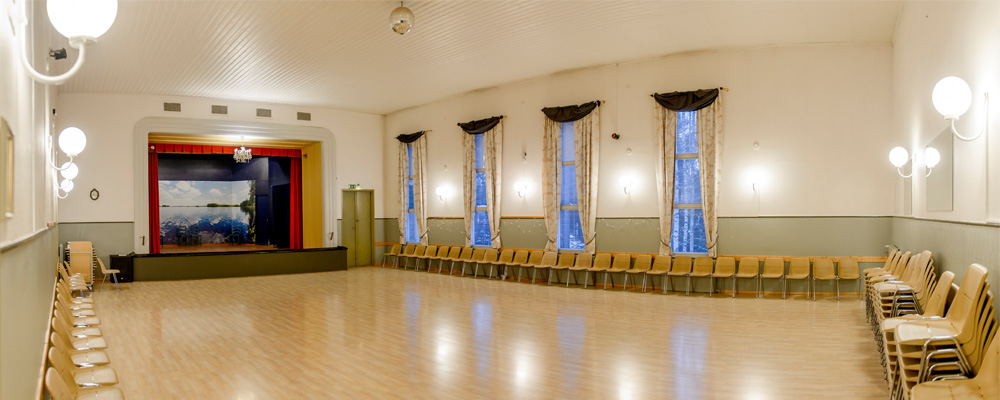
Hälläpirtillä tapahtuu laidasta laitaan. Emme julkaise yksityistilaisuuksia kalenterissa.
Ota yhteyttä ja tee oma tilavarauksesi.

Implementing AI to Personalize the Gaming Experience — Evolution Gaming Review for Canadian Players

Look, here’s the thing: Canadian players want fast, relevant gaming that understands them — not a one-size-fits-all feed. This piece walks through practical AI tactics to personalise UX for players from coast to coast, and then applies those lessons to live-dealer experiences from Evolution Gaming as seen on mobile platforms in Canada. Next, I’ll show you how payments, game choice, and bonus math fit into a working personalization plan.

To start, think like a Canuck: you’re juggling work, a double-double, and maybe dropping a loonie or a Toonie on a quick spin between errands. The following sections explain step-by-step how to gather signals, build models, and keep things compliant with Ontario and national rules, before we test those ideas against what Evolution Gaming actually delivers live to Canadian players. Stay with me — we’ll get practical fast.

FastPay Casino banner for Canadian players

1) Data Signals to Prioritise for Canadian Players (in Canada)

First off, you need the right signals to personalise anything — geolocation, device type (mobile vs desktop), payment preference (C$ balances, Interac use), session time and bet sizing. In Canada, Interac e-Transfer and Interac Online usage are huge signals, while crypto indicates a different segment entirely. Capture those first and the rest becomes easier to model.

Those signals let you predict whether a player prefers jackpots like Mega Moolah or fast table play like Live Dealer Blackjack, and the next section covers how models consume these signals to produce real-time recommendations.

2) Modeling Approach: Lightweight to Production-Ready (for Canadian operators)

Honestly? Start small. A simple collaborative-filtering layer plus a rules engine (to enforce regulator limits) beats a monolithic deep model on day one. Use a 2-tier design: a fast session scorer for real-time suggestions, and a nightly retrain job that updates player embeddings using 7–30 day behaviour windows. This keeps the system responsive on Rogers and Bell networks without overloading mobile clients.

Once the models produce decent hit rates in A/B tests, you can add reinforcement learning for reward optimisation, but always preserve explainability for compliance — more on that when we talk about regulators.

3) Compliance & Responsible Gaming Integration (in Canada)

Regulation is non-negotiable: if you operate for Ontario players you must map recommendations to AGCO / iGaming Ontario standards, and if you touch players accessing platforms via Kahnawake-licensed infrastructure, make the legal differences explicit. That means no automated nudges that encourage exceeding deposit limits and always surfacing self-exclusion tools and age gates (19+ in most provinces; 18+ in Quebec, Alberta, Manitoba).

Implement model constraints: cap personalised bonus pushes by deposit limit, automatically reduce marketing prompts after a session loss streak, and always log why an AI made a particular promo suggestion to satisfy audits — the next section shows how to measure impact without violating player trust.

4) KPI Design & Measurement for Canadian Mobile Players (in Canada)

Don’t optimize vanity metrics. For mobile-first Canadian players track: retention of active players (30-day), deposit frequency, net gaming revenue per active user (in C$), Responsible Gaming events triggered (limits set / cooling-off), and complaint rates tied to payouts. Use cohort analysis by payment method (Interac e-Transfer vs crypto) and city (Toronto / the 6ix vs Vancouver) to spot regional differences.

With the right KPIs, you can run safe experiments (A/B or multi-armed bandits) and feed results back into nightly retraining to tighten recommendations — which brings us to a live example with Evolution Gaming.

5) Evolution Gaming: How AI Personalization Improves Live Dealer UX (for Canadian players)

Evolution Gaming’s studios and live dealer flows are designed for low-latency, high-fidelity play — which fits Canadian mobile habits when properly optimised. Personalisation here is about surface-level tailoring: preselecting your favourite blackjack table, prioritising English or French dealers, and flagging high-RTP game modes or dealer styles that match a player’s historical session lengths.

For instance, if a player from Montreal prefers French commentary and tends to play shorter, high-frequency rounds of Live Dealer Blackjack, your real-time scorer should present French tables with shorter waiting lists. We’ll compare a few approaches in the short table below.

Approach Strength (mobile CA) Weakness
Rule-based (locale + device) Fast, simple; low data needs Limited personalization depth
Collaborative filtering Good suggestions for similar players Cold-start problems
RL-based table selection Optimises long-term value Complex, needs safe constraints

Now that you can see the trade-offs, the following paragraphs go into payments and practical rollout steps, including real-world pitfalls we’ve seen in Canadian deployments.

6) Payments & UX: What Canadian Players Expect (in Canada)

Payment convenience is massive. Canadians expect Interac e-Transfer support, Interac Online as a fallback, and popular bridges like iDebit or Instadebit. If your model sees a player repeatedly using Interac e-Transfer, always prefill Interac as the recommended deposit option and explain any limits in C$ (e.g., daily or per-transaction caps). This reduces friction and increases conversion.

Operators who ignore CAD currency display (C$20, C$100, C$1,000 examples) generate refund requests and trust hits — so local currency formatting is crucial and it’s the next thing to lock into your rollout checklist.

For a live example of a Canadian-friendly offering that nails payments and mobile UX, many players check out fastpaycasino as a reference point for speedy withdrawals and mobile-first layouts tailored to Canadian networks.

7) Bonus Math & Fairness: Translate Offers for Canadian Players (for players in Canada)

Not gonna lie — bonus terms confuse people. When you personalise offers, show the true cash value and required turnover. Example: a 100% match up to C$100 with 30× wagering on (D+B) means turnover = 30 × (C$100 + C$100) = C$6,000; that’s a big ask for casual players. Display that number clearly — it reduces disputes and improves long-term satisfaction.

Also adapt game weightings by local preferences (Book of Dead and Wolf Gold often carry weight for slot players; Live Dealer Blackjack and Evolution titles attract table fans) and ensure your models deprioritise offers that are mathematically unlikely to be cleared.

8) Rollout Playbook: From Pilot to Province-wide (in Canada)

Start with a pilot focused on a single province (Ontario or British Columbia) for regulatory simplicity, pick a population of ~5k users, and run 4–6 week tests. Use Stratified sampling by payment method (Interac vs crypto), by city (Toronto vs Montreal), and by device (iOS vs Android). Keep a manual override for customer support to freeze aggressive personalisation if a player self-selects into cooling-off.

Document every decision — AGCO/iGO auditors will expect logs showing model inputs and business rules — and that leads naturally to the ”quick checklist” below to keep deployments tidy.

Quick Checklist — AI Personalisation for Canadian Mobile Casinos (in Canada)

  • Capture geo, payment method, device, session length, and loss/win streaks — store in C$ terms for consistency; then retrain nightly.
  • Enforce regulatory constraints (age gate, self-exclusion, deposit caps) at the recommendation layer.
  • Surface clear bonus math in C$ and show required turnover examples (use DD/MM/YYYY where dates appear).
  • Prioritise Interac e-Transfer / Interac Online / iDebit / Instadebit as deposit UX defaults for Canadian players.
  • Log explanations for every personalisation decision for auditability and compliance with iGO/AGCO.

Follow that checklist and you reduce complaints and increase conversion; the next section explains common mistakes to avoid when personalising for Canada.

Common Mistakes and How to Avoid Them (for Canadian players)

  • Assuming all Canadians prefer the same game mix — segment by province and city (Toronto/the 6ix vs Vancouver differences matter).
  • Hiding true bonus costs — always show the C$ turnover number; otherwise players complain and churn.
  • Over-personalising without consent — respect opt-outs and privacy (KYC/AML requirements like FINTRAC still apply).
  • Neglecting payment clarity — failing to display Interac limits in C$ and fees creates friction.
  • Not testing on local networks — test on Rogers and Bell, and on slower mobile conditions to mimic real users.

Avoid those traps and you’ll keep your reputation intact across provinces; next we’ll run a couple of short, practical cases so you can see the math in action.

Two Short Cases (small examples for Canadian operators)

Case A — The Weekend Spinner (Toronto): A mobile player deposits C$50 via Interac e-Transfer on a Friday, prefers Book of Dead demos, and plays short sessions. Personalized move: push a small 50% reload (max C$25) with a 10× D-only wagering requirement to increase conversion. This respects the player’s low tolerance for turnover and keeps deposits modest; we’ll show why that beats a blanket 30× bonus next.

Case B — The High-Frequency Table Player (Montreal): Prefers French dealers and Live Dealer Blackjack, average bet C$20. Personalized move: prioritise French-speaking Evolution tables with short wait lists and offer a C$100 cashback after C$2,500 wagered over 7 days — attractive and achievable for this segment. Both cases demonstrate how tailoring offers by local signals improves results, which leads into the FAQ for common player questions.

Mini-FAQ (for Canadian players)

Q: Is AI personalization legal for players in Ontario?

A: Yes, but you must comply with AGCO/iGaming Ontario rules — including audit logs, age verification, and responsible gaming controls; keep records for audits and show opt-out options.

Q: Which payment methods should I prioritise for Canadian players?

A: Interac e-Transfer and Interac Online are top; also support iDebit and Instadebit as alternatives; always show amounts in C$ and note conversion fees to avoid surprises.

Q: Do live dealer games benefit from personalization?

A: Absolutely — presenting preferred language dealers, table speed, and bet limits increases session length and satisfaction, especially for Evolution Gaming titles popular among Canucks.

One concrete resource if you want to benchmark a Canadian-friendly mobile experience is fastpaycasino, which demonstrates fast payouts, CAD display and mobile-first flows; study their payments and mobile paths to inform your rollout decisions.

Responsible gaming: 18+/19+ rules apply depending on province. If gambling is causing harm, contact local help services such as ConnexOntario (1-866-531-2600) or see playsmart.ca and gamesense.com for support. Always set deposit and time limits before enabling personalisation nudges, and ensure AML/KYC (FINTRAC) compliance is maintained.

Final Notes & Next Steps (for Canadian operators)

To wrap up: implement a staged AI approach, prioritise clear C$ displays and Interac-friendly UX, and keep a tight audit trail for iGO/AGCO compliance. Test on Rogers/Bell networks and across provinces; refine models with cohort metrics, and avoid aggressive nudges that bypass responsible gaming safeguards. If you do that, you’ll create a mobile experience that Canadian players trust — and that drives sustainable value rather than short-lived spikes.

If you’re about to pilot this in Canada, start with a 6-week Ontario trial, instrument everything (including bonus-clearance rates and complaint volume), and iterate using the checklist above — then expand coast to coast with regional adjustments for Montreal, Vancouver, and the Prairies.

Sources

  • AGCO / iGaming Ontario public guidance (regulatory best practices)
  • Industry benchmarks for live dealer latency and mobile optimisation (internal operator benchmarks)

About the Author

I’m a product manager with hands-on experience building mobile-first casino features for Canadian markets, including payments integrations with Interac flows and personalization pilots tested in Ontario and BC. My approach blends practical machine learning with clear compliance-first engineering — just my two cents from years in the trenches.

magicred: Bonus Offers & Promotions Guide

magicred publish localized cashier rules that explain which payment methods are eligible for bonus play, and that matters when you’re planning a bonus-driven bankroll. This matters especially if you’re playing from Ontario under iGaming Ontario rules versus other provinces where grey-market practices differ.

Sample mini-case: choosing payment method for a C$50 welcome bonus

  • Scenario: You want to claim a C$50 match bonus and you’re on mobile in Toronto.
  • Option A — Interac e-Transfer: deposit C$50 instantly with no conversion fee; bonus is credited immediately; wagering can begin.
  • Option B — Buy crypto (C$50): pay C$2 exchange fee + C$1 network fee; deposit credited in crypto then converted by the casino — might delay bonus credit and complicate wagering.
    Result: Option A typically preserves more of the bonus value for small-stake mobile players, and gets you gaming faster; this bridges into the next section on local rules and protections.

Local laws, regulators, and protections Canadian players should know
Canada’s landscape is regionally split: Ontario operates an open license model under iGaming Ontario (iGO) and AGCO oversight, while other provinces maintain Crown or provincial platforms (PlayNow, Espacejeux, PlayAlberta), and many Canadians still use licensed offshore sites. Bill C-218 legalized single-event sports betting, which changed how sportsbooks operate nationally. That means your protections and dispute options depend on where you play: provincially regulated platforms have formal complaint routes and stronger consumer protections, while offshore sites rely on their licensing regulator (e.g., MGA) and can be harder to escalate with. Keep your wagering within regulated frameworks when possible — but if you choose an offshore operator, check their cashier policies and look for clarity on KYC and payouts. This naturally leads to payment choice implications in the next paragraph.

Why local payment methods (Interac e-Transfer, Interac Online, iDebit) are often superior for Canadians
Interac e-Transfer is ubiquitous — almost every Canadian bank supports it, and deposits clear instantly for most casinos accepting Interac; that’s a huge UX win for mobile players. iDebit and Instadebit are also popular as bank-connect alternatives when Interac is restricted. These methods avoid currency conversion (play and withdraw in CAD), reduce unexpected bank charges, and lower the likelihood of bonus disqualification tied to unusual deposit sources. If you value simplicity and fast e-wallet withdrawals (C$20 minimums and 1–3 hour e-wallet payouts), local rails keep the friction low, which is why even crypto-curious Canucks often default to Interac for routine play. Next, I’ll outline a quick checklist to use before depositing.

Quick Checklist for Canadian Mobile Players (use before your first deposit)

  • Confirm the cashier supports CAD and Interac e-Transfer.
  • Check welcome bonus T&Cs for eligible deposit methods and wagering requirements.
  • Note minimum withdrawal (e.g., C$20) and monthly caps (e.g., C$7,500 bronze).
  • Verify KYC requirements (passport/driver’s licence + proof of address).
  • Decide if privacy benefits of crypto outweigh conversion and exchange fees.
    This checklist should keep your first session smooth and prevent rookie errors — the next section lists those common mistakes and fixes.

Common Mistakes and How to Avoid Them (for Canadian players)

  1. Chasing a “better” bonus without checking eligible deposit methods — Solution: read T&Cs; if you need clarification, ask support before you deposit.
  2. Using credit cards that block gambling transactions — Solution: use Interac debit or iDebit; many banks block gambling on credit cards.
  3. Ignoring CAD support and accepting automatic FX conversion — Solution: deposit in CAD to avoid 1.5–3% conversion fees on small amounts like C$20–C$100.
  4. Failing to upload KYC documents early — Solution: upload proof of ID/address during registration to avoid delayed withdrawals.
    These fixes are simple but save days of frustration, which I learned the hard way — and they connect directly to how payment choices affect bonus eligibility in real time.

Mini-FAQ (Canadian-focused)
Q: Are gambling winnings taxable in Canada?
A: For recreational players, gambling wins are generally tax-free (considered windfalls). Pro gamblers may be taxed as business income — rare and hard for CRA to prove. This answers the tax concern many ask when considering crypto withdrawals.
Q: Is using crypto illegal for gambling in Canada?
A: No — using crypto per se isn’t illegal, but regulatory protections depend on the operator’s licensing and your province’s rules; you still need to follow KYC and AML checks.
Q: Which payment method is recommended for quick mobile play?
A: Interac e-Transfer or iDebit — they’re instant, Interac is widely trusted, and they minimize fees. If you want privacy or fast large withdrawals, crypto has advantages but adds complexity.

Practical tips for mobile UX and local networks
Mobile performance matters: Canadian players often use Rogers or Bell networks, and sites optimized for mobile browsers will load quickly even on cellular 4G/5G. Choose casinos with responsive design (no app necessary) and clear cashier flows so you’re not digging through menus on the TTC or bus. For instance, avoid cashiers that require multiple clicks to withdraw — three taps is fine; any more and you’ll get annoyed during a commute. That UX detail links back to payment choice: Interac deposits are one or two taps on most mobile cashiers, while crypto flows often require external apps and copy/paste steps.

Responsible play, limits, and local help resources
This is important: be 18+ (19+ in most provinces; 18+ in Quebec, Alberta, Manitoba) and use deposit/time limits. Tools like self-exclusion, deposit caps, and reality checks are not optional safety features; they’re essential. If you need help, Canadians can reach ConnexOntario (1-866-531-2600), PlaySmart, or GameSense depending on province. Also remember: if you plan to chase big wins, set withdrawal thresholds (e.g., don’t risk a sudden C$1,000 swing on a whim). That leads naturally to the closing note about site selection and bonuses.

Where to go next: a pragmatic path for Canadian beginners (and a note on Magic Red)
If you want a balanced start, use Interac for your first deposits (C$10–C$50) and claim a modest welcome offer that you can realistically clear without chasing variance. If you’re curious about crypto, test it later with a small amount (C$50–C$100) to learn the on/off ramps and conversion fees. If you want a Canadian-aware cashier and clear bonus terms, check a localized casino listing — for example, magicred provides guidance geared to Canadian players about eligible deposit methods, CAD support, and localized promotions that state which payment rails trigger bonuses. That recommendation fits into a reasoned approach for mobile players who value speed, clarity, and fair terms.

Closing — practical takeaway for Canadian mobile players
To be honest, crypto is interesting but not a must for most Canadian beginners. Prioritize local payment rails (Interac e-Transfer, iDebit, Instadebit), understand bonus wagering math, and use sensible limits (start with C$20–C$50 sessions). Love the idea of a big match? Fine — just calculate the real turnover required before you commit. If you need a place that explains which deposit methods qualify for sign-up offers and handles CAD smoothly, look for Canadian-focused cashier guidance like that found on sites such as magicred, and always keep responsible play front and centre.

Sources

  • GEO regulatory and payment data (compiled for Canada)
  • CRA guidance and publicly available provincial gaming regulator pages (iGaming Ontario, AGCO, PlayNow)
  • Industry reports on payment preferences and casino cashier UX (2024–2025 reviews)

About the Author
I’m a gambling industry analyst based in Canada with years of mobile-first testing and hands-on experience with payment flows, KYC, and bonus math. I’ve tested Interac and crypto flows across Rogers and Bell networks, and I write practical guides to help Canadian players avoid obvious mistakes and play responsibly.

Quick Checklist (one last time)

  • Deposit with Interac for speed and low fees (start C$10–C$50).
  • Verify KYC early (photo ID + proof of address).
  • Read bonus T&Cs — check eligible deposit types and max bet rules.
  • Use deposit/time limits and self-exclusion if needed.
  • Contact local help lines if gambling becomes problematic (ConnexOntario, PlaySmart, GameSense).

Guía práctica: Términos y Condiciones para jugadores chilenos en casinos online

Hola — si eres de Santiago, Viña o cualquier ciudad chilena y estás pensando en jugar online, esto va directo al grano: leer los Términos y Condiciones (T&C) no es un trámite, es la diferencia entre pasarla bacán o quedar pato. Aquí llevo lo esencial, con ejemplos en $CLP, jerga local y pasos claros para que no te sorprendan con límites, bloqueos o rollover escondido; sigue leyendo porque el primer punto te ayuda a evitar errores comunes al momento de depositar.

Puntos clave de los Términos y Condiciones para jugadores en Chile

Lo primero: identifica cómo el casino trata depósitos y retiros, porque eso afecta tu experiencia con CuentaRUT y Webpay — métodos que usan la mayoría de chilenos. Revisa siempre la sección de métodos permitidos, tiempos de procesamiento y si hay tope mensual de retiro; entender esto te evita dolores de cabeza con $50.000 o $500.000 que quieras sacar. A continuación veremos por qué estos límites aparecen y cómo calcular el impacto real en tu banca.

Segundo, fija atención en las reglas de bonos: lee el rollover expresado como X veces sobre (D+B) o solo sobre el bono, el aporte de cada juego al wagering y el tope de ganancia con fondos bonificados. Por ejemplo, un bono de $100.000 con WR 40× sobre (D+B) exige apostar cerca de $8.000.000 para liberar fondos, y eso es algo que pocos consideran al aceptar promociones; ahora explicaré cómo hacer el cálculo rápido para que cachai exactamente cuánto te piden.

Tercero, verifica identificación (KYC) y requisitos de método de pago: muchos casinos piden documento, comprobante de domicilio y captura de la CuentaRUT o tarjeta para validar titularidad antes del primer retiro, y si lo haces un viernes puede tardar hasta el lunes por la revisión manual. Entender esos plazos evita frustraciones cuando quieres retirar $100.000 tras una buena racha, y en la siguiente sección te muestro una mini-calcificación práctica para bonos y retiros.

Cálculo práctico de bonos y rollover para jugadores en Chile

Not gonna lie — la manera más fácil de perder plata es aceptar bonos sin calcular el turnover. Mira este ejemplo práctico paso a paso: depositas $50.000, te dan 100% hasta $50.000; saldo total = $100.000; WR = 40× sobre (D+B) → 40 × $100.000 = $4.000.000 de apuestas necesarias. Con apuestas promedio de $1.000 por giro, eso son 4.000 giros; si apuestas $5.000 por giro, reduces giros pero subes riesgo de quedarte sin saldo. Esto te deja claro cuánto tiempo y dinero demandará el bono, y enseguida verás cómo priorizar juegos por contribución al WR.

Además, checa la contribución por categoría: slots suelen contar 100%, ruleta/blackjack menos o 0%. Si quieres cumplir wagering rápido, apuesta preferentemente en tragamonedas con RTP conocido; sin embargo, cuidado con versiones de slots con RTP reducido — revisa la “i” del juego antes de jugar para confirmar el porcentaje. En la sección siguiente comparo métodos de pago y su conveniencia práctica para chilenos.

Métodos de pago y su tratamiento en los T&C para jugadores chilenos

En Chile, los métodos que generan confianza y menor fricción son Webpay (Transbank) y CuentaRUT (BancoEstado), seguidos por Mach y Khipu para transferencias; Servipag sirve como alternativa en efectivo. Muchos casinos integran Webpay Plus vía pasarelas, lo que permite pagar en $CLP al tiro y con mínimos bajos como $5.000, mientras que retiros suelen pasar por e-wallets (Skrill, Neteller, MuchBetter) o transferencia internacional con tiempos más largos. Sipo, saber esto te ayuda a elegir la forma de depositar que menos problemas te dará al retirar.

Por otra parte, las redes de pago y bancos (BancoEstado, Santander, BCI) pueden cuestionar transferencias internacionales hacia operadores extranjeros, y eso a veces implica retenciones o consultas con el SII si el monto es alto. Considera también opciones cripto (USDT) si buscas rapidez y privacidad, aunque implican volatilidad y pasos extra para convertir a $CLP; a continuación verás una tabla comparativa de opciones para tenerlo claro.

Opción Ventaja para jugadores en Chile Riesgo / Nota
Webpay / CuentaRUT Rápido, confianza local, depósitos en $CLP desde ≈$5.000 Retiros no directos; pasarelas pueden añadir pasos
Skrill / Neteller Retiros más ágiles (1-2 días hábiles) Comisiones de monedero; KYC extra
Transferencia bancaria SWIFT Útil para retiros grandes (ej. $1.000.000) Demora hasta 7 días, cargos y consultas bancarias
USDT / Crypto Velocidad y evasión de bloqueos ISP Volatilidad y necesidad de exchange para convertir a $CLP

Cómo interpretar cláusulas legales y de bloqueo para jugadores en Chile

Honestamente, la parte legal es el meollo: la Superintendencia de Casinos de Juego (SCJ) regula casinos físicos pero el juego online internacional está en zona gris, con fallos recientes que han llevado a bloqueos por ISP (Movistar, Entel, VTR, Claro, WOM). Por eso, revisa los T&C sobre jurisdicción, dominios alternativos y políticas de uso de VPN; si el casino explícitamente prohíbe uso de VPN, usarlo puede invalidar tus reclamos en disputas. Esto conecta con la sección de resolución de quejas que explico más abajo.

Además, observa las cláusulas de impuestos y reporte de ganancias: aunque hoy día no hay retención automática sobre premios offshore, propuestas legislativas en Chile apuntan a gravar ganancias en el futuro. En la práctica, guarda registros de tus movimientos (depósitos, retiros, tickets) para facilitar eventual declaración ante el SII; la siguiente parte indica cómo documentar correctamente tus operaciones personales.

Promoción Boocasino Chile - imagen informativa

Recomendación práctica y recurso para jugadores chilenos

Look, here’s the thing — si quieres revisar una plataforma concreta con foco en CLP, Webpay y experiencias móviles en 4G chileno (Entel, Movistar), revisa secciones de T&C y pagos en sitios especializados y en el propio sitio regional. Para una referencia operativa y guía local sobre depósitos en pesos, conviene visitar boocasino-chile y comprobar las condiciones específicas para Chile; en la siguiente sección doy una checklist rápida para auditar T&C antes de jugar.

Checklist rápido para jugadores en Chile

Antes de aceptar cualquier promoción o meter lucas, pasa por este checklist práctico y simple que te salva tiempo y plata, y luego paso a los errores típicos que veo en jugadores nuevos.

  • ¿El casino muestra moneda en $CLP y acepta Webpay/CuentaRUT? — confirma con cajero.
  • Revisa el WR: ¿es sobre D+B o solo sobre B? — calcula el turnover en $CLP.
  • ¿Hay tope de ganancia con bono (ej. $1.000.000)? — anota el límite.
  • Tiempo de verificación KYC: ¿24–72 h en días hábiles? — planifica retiros.
  • Métodos de retiro: e-wallets vs transferencia SWIFT — compara comisiones.

Si respondiste sí a lo más importante, estás en mejor posición para jugar sin sorpresas; enseguida explico los errores más comunes que te pueden costar lucas.

Errores comunes y cómo evitarlos para jugadores en Chile

Not gonna sugarcoat it—estos son los fallos que veo seguido entre jugadores chilenos: aceptar bonos sin calcular el WR, depositar con tarjeta de otra persona, no verificar KYC antes de jugar y no revisar límites de retiro. Evitarlos es cuestión de disciplina y de leer dos minutos la parte que corresponde de los T&C; abajo explico cómo corregir cada uno con acciones concretas.

  • Fallo: aceptar bono sin cálculo. Arreglo: haz la multiplicación WR × (D+B) en $CLP antes de aceptar.
  • Fallo: usar tarjeta de un tercero. Arreglo: siempre titular coincide con cuenta para evitar retenciones KYC.
  • Fallo: creer que RTP garantiza ganancia diaria. Arreglo: ajusta tamaño de apuesta y límites de pérdida.
  • Fallo: ignorar cláusula de bet max con bono. Arreglo: respeta el tope (ej. $4.000 por giro) o perderás el bono.

Con estas correcciones prácticas puedes reducir riesgos y disfrutar más el juego; ahora cierro con una mini-FAQ que responde preguntas frecuentes y útiles para chilenos.

Mini-FAQ para jugadores chilenos

¿Puedo depositar con CuentaRUT y retirar a la misma cuenta?

En muchos casinos online que aceptan Webpay y pasarelas, sí se acepta CuentaRUT para depositar, pero los retiros suelen ir por e-wallet o transferencia internacional; revisa la sección de pagos en los T&C porque a veces piden verificación adicional para devolver fondos al mismo medio y eso enlentece el proceso.

¿Qué hacer si el banco me consulta por una transferencia al casino?

Conserva comunicaciones, captura de la transacción y la URL del casino; si tu banco pide información, muéstrales los T&C y prueba de depósito. Si la situación escala, documenta todo para presentar ante SCJ o el organismo regulador correspondiente si procede, y considera usar monederos para futuros retiros.

¿Los juegos crash como Aviator tienen reglas distintas en los T&C?

Generalmente los T&C tratan todos los juegos de forma agregada, pero revisa reglas específicas de cada juego en el lobby (provably fair, RTP estimado). Juegos crash son rápidos y pueden acelerar pérdidas, así que limita apuesta por ronda y usa límites de pérdida en tu cuenta.

18+ • Juego responsable: si sientes que estás perdiendo control, busca ayuda en Jugadores Anónimos Chile (jugadoresanonimos.cl) o revisa recursos de la Superintendencia de Casinos de Juego (scj.gob.cl); establece límites de depósito y tiempo antes de empezar a jugar.

En mi experiencia (y podrías verlo igual), leer dos minutos los T&C y calcular el impacto en $CLP te evita noches de stress y llamadas al banco, así que no lo dejes para después — empieza por el checklist y si quieres un ejemplo práctico o revisar una plataforma con condiciones para Chile, visita boocasino-chile para comparar cómo presentan pagos y bonos en pesos chilenos.

Para cerrar: juega con cabeza, define un presupuesto en lucas (por ejemplo $10.000 por sesión o $100.000 al mes), y aprovecha las herramientas de autoexclusión y límites de depósito si notas que “te toca recuperar” con frecuencia — con eso ya reduces gran parte del riesgo y puedes seguir disfrutando sin perder más de lo que planificaste.

Slots con Rondas de Bonificación y Video Poker: Estrategias para jugadores mexicanos

Mira, la neta: si eres de la raza que le entra a las maquinitas y al video poker desde CDMX hasta Cancún, este artículo te da tácticas prácticas para exprimir rondas de bono y mejorar tu juego, sin florituras. No voy a mentir, no hay fórmulas mágicas, pero sí hay maneras de aumentar tus probabilidades y gestionar la lana de forma inteligente. Ahora vamos con tácticas concretas y ejemplos en pesos mexicanos para que lo apliques ya.

Qué son las rondas de bonificación en tragamonedas (para jugadores en México)

Primero, un repaso rápido: las rondas de bonificación son mini-juegos dentro de una tragamonedas que activan giros gratis, multiplicadores, juegos de selección o jackpots progresivos, y suelen ser donde la máquina suelta la mayor parte de su premio mayor. Esto significa que entender la mecánica y la volatilidad de la tragaperras es clave antes de entrarle con varos reales. Enseguida veremos por qué elegir slots de volatilidad media suele ser lo más sensato para liberar bonos y proteger el bankroll.

Por qué la volatilidad importa en México y cómo elegir la tragamonedas correcta

No manches, esto es básico: la volatilidad te dice si la máquina paga seguido pero poco (baja), o si paga poco pero con botes grandes (alta). Si estás usando un bono de bienvenida o saldo de prueba, lo ideal es jugar slots de volatilidad media, porque ayudan a cumplir requisitos de apuesta sin que te sequen la cartera rápido. A continuación te explico cómo identificar volatilidad y revisar el RTP en cada juego antes de jugar.

Cómo leer el RTP y el peso del bono (para jugadores mexicanos)

Look, la práctica: busca el RTP (porcentaje teórico de retorno) y, si es posible, la contribución del juego al rollover del bono. Un RTP de 96% no te garantiza nada en una sesión corta, pero es un indicador a largo plazo. Además, si el bono tiene rollover de 25× sobre depósito + bono, calcula el volumen que necesitas: por ejemplo, un depósito de $500 MXN con bono equivalente te obliga a apostar (Deposit+Bono)×25 = ($500 + $500)×25 = $25,000 MXN en apuestas acumuladas. Esa es una cifra que hay que planear; en seguida veremos cómo dividir apuestas para cumplirla sin quemarte.

Estrategia práctica para rondas de bono en slots (para jugadores mexicanos)

No voy a sugarcoat: los bonos muchas veces vienen con letras chiquitas, pero si sabes moverte puedes sacarles partido. Primera regla: usa apuestas pequeñas y consistentes para maximizar tiradas y activaciones de bono sin arriesgar tu bankroll; por ejemplo, con $1,000 MXN puedes hacer 100 apuestas de $10 para tantear la máquina y activar giros gratis con más chances. Esa táctica sirve para los bonos con rollover alto y para comprobar si una maquinitas está “caliente” o no, aunque ojo con la falacia del jugador.

Cómo estructurar sesiones con bankroll (para jugadores mexicanos)

Real talk: divide tu bankroll en sesiones pequeñas (ej.: si tienes $5,000 MXN, haz 5 sesiones de $1,000) y pon límites de pérdida por sesión (por ejemplo $200). Esto evita que te sigas yendo al carajo en una mala racha y te ayuda a mantener disciplina. Además, alterna entre tragamonedas de volatilidad media y alguna de baja para recuperar saldo sin buscar el premio mayor cada tiro; ahora veremos ejemplos numéricos para comprobar esto.

Ejemplo numérico: liberar un bono de bienvenida (para jugadores mexicanos)

Vamos al dato: imagina un bono de bienvenida 100% hasta $2,000 MXN con rollover 25× sobre depósito + bono. Depositas $1,000 y recibes $1,000 de bono; el requirement es 25×($2,000) = $50,000 MXN en apuestas. Si tus apuestas promedio son $20 pesos por giro, necesitarías 2,500 giros para completar el rollover, lo que es posible en varios días si juegas con disciplina y eliges slots que contribuyan 100% al rollover. Esta cuenta te ayuda a decidir si el bono vale la pena o si mejor guardas $1,000 para jugar sin condiciones; pronto comparo ambas opciones en una tabla.

Jugador mexicano disfrutando slots y video poker en su móvil

Video Poker: estrategia básica y ajuste para el mercado mexicano

El video poker es de los juegos con mejor expectativa para jugadores que aplican estrategia, sobre todo variantes como Jacks or Better. No es la misma dinámica que las maquinitas; aquí hay habilidad en la decisión de cartas a guardar. Si sabes la tabla básica, puedes acercarte al 99.5% de RTP en variantes óptimas, lo cual es una bendición para quien quiere gestionar su bankroll con menos varianza que en slots. A continuación detallo una estrategia simple de retención de cartas.

Reglas rápidas de video poker y ejemplos (para jugadores mexicanos)

Regla corta: siempre guarda las parejas altas, cuatro cartas para escalera o color y, sobre todo, cualquier mano que ya te garantice un premio mayor potencial. Por ejemplo, con A–K–Q–J–10 de distinto palo en Jacks or Better, tiras la mano si no tienes pareja, pero si tienes J–J–3–2–8 la guardas para buscar mejorar. Practica en modo demo antes de poner lana y aplicando límites claros; en seguida comparo esto con las sesiones de slots en una tabla de opciones.

Comparación: enfoques para usar bonos en slots vs video poker (para jugadores mexicanos)

Enfoque Ventaja Desventaja
Apuesta conservadora (slots) Más tiradas, mayor chance de activar bono Progreso lento, pequeñas ganancias
Apuesta agresiva (slots) Posible premio mayor rápido Riesgo alto y mayor volatilidad
Video Poker con estrategia Alta expectativa si aplicas tabla óptima Requiere disciplina y práctica

Esta tabla te ayuda a elegir según tu perfil: si eres de los que prefiere emociones fuertes, el enfoque agresivo puede tentarte; si quieres estirar bonos y evitar tilt, la apuesta conservadora o video poker son mejores. Ahora te digo dónde probar estas tácticas con métodos de pago locales y seguridad.

Dónde practicar con seguridad en México y opciones de pago locales

Si buscas una plataforma que entienda la forma en que pagamos en México (OXXO Pay, SPEI, Todito Cash, CoDi), considera plataformas con licencia SEGOB y procesos KYC claros. strendus ha sido mencionada por jugadores mexicanos por integrar OXXO Pay y SPEI de forma ágil, lo que facilita empezar sin tarjeta si prefieres efectivo. En el siguiente bloque doy una checklist práctica para evaluar cualquier casino antes de registrarte.

Quick Checklist: antes de usar un bono en México

  • Verifica licencia SEGOB y que el operador retenga impuestos correctamente (ISR / retenciones aplicables).
  • Revisa la contribución de juegos al rollover (slots vs mesa vs live).
  • Asegura métodos de depósito locales: OXXO Pay, SPEI, Todito Cash o CoDi.
  • Comprueba límites mínimos/máximos de apuesta por bono (ej.: $10 MXN por giro mínimo).
  • Valora el tiempo para liberar el bono vs tu disponibilidad (3 días, 15 días, etc.).

Esta checklist te prepara para decidir rápido si el bono vale la pena o no, y sirve como mapa antes de abrir cuenta; la siguiente sección muestra errores comunes que debes evitar.

Errores comunes y cómo evitarlos (para jugadores mexicanos)

Not gonna lie: la mayoría la rifa con errores fáciles. Primero: apostar el tope máximo para “cumplir rápido” suele cancelar el bono si lo haces y pillan patrones extraños. Segundo: no leer que las mesas y el blackjack a menudo contribuyen 0% al rollover. Tercero: intentar retirar sin completar KYC (INE + comprobante de domicilio) y luego enojarse cuando te tardan la verificación. Sigue leyendo para ver mini-casos que ilustran estos puntos.

Mini-casos prácticos (pequeños ejemplos realesistas para México)

Caso A: Juan depositó $500 MXN y usó apuestas de $50 pensando en acelerar el rollover; en dos sesiones perdió todo y no pudo liberar el bono. Lección: mejor 25 apuestas de $20 que 5 de $100. Caso B: Laura usó video poker con tabla básica y convirtió $1,000 MXN en $1,350 MXN tras dos noches, cerrando sesiones con disciplina. Estas historias muestran que la gestión manda; vamos ahora a un mini-FAQ con dudas frecuentes.

Mini-FAQ para jugadores mexicanos

¿Puedo depositar en efectivo en OXXO y jugar de inmediato?

Sí, la mayoría de casinos que aceptan OXXO Pay acreditan el depósito en 1 a 24 horas; guarda tu recibo y verifica el monto en la cuenta. Ten en cuenta que a la hora de retirar casi siempre te pedirán SPEI a una cuenta a tu nombre.

¿Qué impuestos me aplican si gano?

En sitios con licencia SEGOB el operador puede retener 1% federal (ISR) y hasta 6% estatal según la legislación vigente; en sitios offshore generalmente no hay retención, pero esa opción es gris desde el punto de vista legal.

¿Es mejor usar un bono de casino o apostar directo en deportes?

Depende: los bonos de deportes suelen tener rollover menor (6×–10×) y pueden ser más fáciles de liberar; si te llevas mejor con momios y apuestas en la Liga MX, quizá prefieras bonos deportivos.

Recomendación final y plataforma para probar (para jugadores mexicanos)

Si quieres empezar con una plataforma que integra pagos en efectivo como OXXO y SPEI, y que opera bajo normas mexicanas, prueba plataformas con licencia SEGOB y buen soporte local; muchos jugadores recomiendan explorar opciones como strendus para registrarse y practicar en modo demo antes de apostar en serio. Más abajo dejo la nota de juego responsable y recursos locales para ayuda.

Conclusión práctica (para jugadores mexicanos)

En resumen, la clave es: gestionar bankroll, elegir volatilidad adecuada según si usas bono, practicar video poker para reducir varianza, y aprovechar métodos de pago locales como OXXO Pay y SPEI. Si llevas esto en mente y aplicas la checklist, aumentarás tus probabilidades de salir con varos en vez de solo frustración, y por cierto, a muchos les sirve registrarse primero en sitios confiables como strendus para probar en demo y checar KYC antes de meter efectivo.

18+. El juego puede ser adictivo. Si sientes que pierdes control, busca ayuda profesional: Centro de Atención de Ludopatía y Crecimiento Integral (calci.org.mx) y la línea de apoyo en México. Además, respeta la ley SEGOB y ten a mano tu INE y comprobante de domicilio para cumplir KYC y retiros por SPEI.

Fuentes y Sobre el autor

Fuentes: normativa SEGOB, guías de RTP de proveedores (Play’n GO, Pragmatic Play), y experiencia práctica con juegos y bonos en el mercado mexicano. Soy jugador y analista con experiencia práctica en casinos online para la República Mexicana; estas recomendaciones son de carácter informativo y no garantizan ganancias.

NFT-Gambling-Plattformen in Deutschland: Geolokalisierung, Risiko und Technik

Ganz ehrlich: NFT-gestütztes Glücksspiel ist kein Zukunftsmusik mehr, sondern steht an der Tür vieler Anbieter — und das betrifft auch Spielerinnen und Spieler in Deutschland. Das Thema ist technisch spannend und rechtlich heikel zugleich, deshalb spare ich mir lange Einleitungen und komme gleich zur Sache. In diesem Artikel erkläre ich praxisnah, wie Geolokalisierung bei NFT-Casinos funktioniert, welche konkreten Probleme deutsche Spieler haben und welche Lösungen technisch wie juristisch Sinn ergeben; am Ende bekommst du eine Quick-Checklist zum Mitnehmen.

Zunächst ein kurzer Überblick: NFT-Gambling kombiniert Blockchain-Wallets, non-fungible Tokens als Spiel-Items und oft Krypto-Zahlungen, während Plattformen versuchen, Spielerstandorte rechtssicher zu erkennen. Das klingt simpel, ist es aber nicht — vor allem in Deutschland, wo der Glücksspielmarkt durch den GlüStV 2021 und die GGL streng geregelt ist. Deshalb schauen wir uns zuerst die technischen Methoden an, bevor wir auf Recht, Payments und Spielererfahrung eingehen.

NFT Casino Interface - Promo

Warum Geolokalisierung in Deutschland wichtig ist

Mal ehrlich: Der zentrale Punkt ist die Legalität. Deutschland hat mit dem Glücksspielstaatsvertrag (GlüStV 2021) strikte Regeln eingeführt, und die Gemeinsame Glücksspielbehörde der Länder (GGL) überwacht viele Aspekte des Marktes. Betreiber müssen daher wissen, ob ein Nutzer in Deutschland sitzt oder nicht — sonst drohen hohe Strafen oder Sperrungen. Das zwingt NFT-Plattformen, robuste Geo-Checks einzubauen, was wiederum Einfluss auf Usability und Datenschutz hat.

Für deutsche Zocker bedeutet das in der Praxis: Wer auf ”Casino ohne Limit” hofft, landet oft auf Offshore-Angeboten (MGA, Curacao), die technisch weniger Beschränkungen haben, sich aber rechtlich in einer Grauzone bewegen. Das führt zu Spannungen zwischen dem Wunsch nach hohen RTPs und dem Bedürfnis nach Rechtssicherheit. Im nächsten Abschnitt sehen wir uns an, welche Geolokalisierungstechniken Plattformen einsetzen, um diese Balance zu halten.

Technische Methoden der Geolokalisierung in Deutschland

IP-basierte Ortung ist der Klassiker: IP-Range-Abgleich, GeoIP-Datenbanken und ASN-Checks liefern einen ersten Standort-Score. Das ist schnell, aber angreifbar — VPNs, Proxies und mobile Carrier-Routing können das Ergebnis verfälschen. Deshalb kombinieren seriöse Anbieter mehrere Signale, um robustere Entscheidungen zu treffen.

Weitere Verfahren sind GPS (bei mobilen Apps/PWAs), Mobilfunk-MCC/MNC-Daten vom Carrier, Wi‑Fi-Position (BSSID-DB-Abgleich) und Device-Fingerprinting. Eine moderne Plattform mischt diese Quellen: IP + GPS + Carrier + Verhalten (z. B. Zeitzone, Spracheinstellung) führen zu einem Vertrauens-Score. Ich habe gesehen, dass Plattformen oft eine Fallback-Logik nutzen: Wenn IP unsicher ist, wird per GPS oder SMS-OTP nachgeprüft — das reduziert Falsch-Positiv-Sperren, aber erhöht Reibung für den Nutzer.

Datenschutz & DSGVO-Aspekte für Spieler in Deutschland

Ehrlich gesagt: Datenschutz ist hier kein Nice-to-have, sondern Pflicht. Anbieter, die Geolocation einsetzen, verarbeiten Standortdaten, die als besonders sensibel gelten können. Deshalb müssen sie DSGVO-konform handeln, transparente Einwilligungen einholen und Datenminimierung betreiben. Für deutsche Spieler heißt das: Du darfst nachfragen, welche Standortdaten gespeichert werden und wie lange.

Eine gute Praxis ist, Standortprüfungen nur bei der Registrierung oder bei risikobehafteten Aktionen auszuführen und nicht permanent alle Positionsdaten zu sammeln. Wenn das System hingegen ständig GPS-Daten abfragt, empfiehlt sich Skepsis — und im Zweifel Support-Anfrage oder Löschanfrage. Im nächsten Abschnitt widmen wir uns der rechtlichen Rahmenlage genauer.

Rechtliche Lage in Deutschland: GlüStV, GGL und OASIS

Kurz und knapp: Die Rechtslage ist streng. Der GlüStV 2021 und die GGL (Gemeinsame Glücksspielbehörde der Länder) regulieren Online-Glücksspiel hierzulande. Wichtige Punkte sind Einsatz- und Einzahlungslimits, die 5‑Sekunden-Regel bei Slots in regulierten Angeboten, sowie das OASIS-Sperrsystem, das legale Accounts blockieren kann. Plattformen mit deutscher Konzession müssen diese Regeln technisch durchsetzen — das gilt auch für Angebote, die NFTs oder Krypto integrieren.

Das heißt: Wenn ein NFT-Casino offen für deutsche Spieler ist, muss es entweder GGL-kompatibel arbeiten oder explizit Nutzer aus Deutschland ausschließen und das technisch sauber umsetzen. Viele Offshore-Plattformen vermeiden die deutsche Konzession, bieten dafür aber oft höhere RTPs — das ist die bekannte Abwägung: Sicherheit vs. Freiheit. Ich empfehle, die rechtliche Position jeder Plattform vor Nutzung nachzulesen, weil das Auswirkungen auf Auszahlungsansprüche und Spielerrechte hat.

Zahlungswege & Wallet-Integration für Spieler in Deutschland

Für deutsche Spieler sind lokale Methoden und Komfort entscheidend. Typische Euro-Methoden, die du kennen solltest: SOFORT (Klarna), Giropay, Trustly sowie paysafecard und Kreditkarten. PayPal taucht nur bei streng regulierten Anbietern auf, weil PayPal Verträge oft an Lizenzen knüpft. In Offshore-Umgebungen sind dagegen oft Krypto-Deposits möglich — praktisch, aber mit eigenem Risiko.

Was NFT-Gambling zusätzlich braucht, ist Wallet-Support (MetaMask, WalletConnect) und Bridges für Euro-Käufe von Krypto. Ein gängiges Muster ist: On‑Ramp (SEPA / SOFORT / Trustly) → Krypto-Swap → In‑Game-Wallet. Das erhöht Komplexität und KYC-Aufwand; deswegen ist die Verifikation (Ausweis, Adressnachweis) oft früher fällig als bei klassischen Euro-Casinos. Im nächsten Absatz zeige ich, welche Zahlungsmethoden für deutsche Nutzer besonders relevant sind und warum.

Zahlungsmethoden: Praxis-Tipps für deutsche Zocker

Schau, hier sind drei konkrete Empfehlungen: Erstens, nutze Trustly oder SOFORT für schnelle Einzahlungen in Euro; zweitens, verwende nur Wallets, deren Sicherheit du verstehst (z. B. MetaMask mit Hardware-Backup); drittens, vermeide das Mischen von Zahlungswegen bei Auszahlungen, weil AML-Regeln oft ”gleicher Weg zurück” verlangen und das Cashout verzögern kann. Diese Punkte musst du beachten, bevor du ein NFT-Item kaufst oder einsetzt.

Wenn du lieber minimalen Aufwand willst, sind E‑Wallets (MiFinity, Jeton) in Offshore‑Casinos oft schnell bei Auszahlungen, aber vergiss nicht: Auszahlungen können bei großen Summen zusätzliche Prüfungen auslösen. Im nächsten Abschnitt gehe ich auf Spielerpräferenzen speziell für Deutschland ein.

Welche Spiele und NFT-Mechaniken suchen Spieler in Deutschland?

Deutsche Spieler lieben ”Buch”-Slots und hohe Trefferpotenziale — Book of Dead, Book of Ra, Ramses Book oder Legacy of Dead sind Schlüsselbegriffe. Gleichzeitig sind Live-Casino-Angebote wie Lightning Roulette oder Blackjack beliebt. NFT-Mechaniken können hier als Sammlerstücke, Boosts oder einlösbare Items für In-Game-Events auftauchen — was tatsächlich funktioniert, ist oft das Nostalgie-Element: Automat-Feeling, aber mit digitalem Ownership-Feature.

Nicht zu vernachlässigen: Viele deutsche Zocker nutzen Slang wie ”zocken”, ”Kohle”, ”Knete”, ”Fuffi” oder ”Zwanni” — das klingt nebensächlich, ist aber wichtig, wenn Plattformen lokale Kommunikation ernst nehmen wollen, etwa in Promotions oder Support. Im nächsten Abschnitt gebe ich dir eine konkrete Quick-Checklist, bevor du NFT-Gambling ausprobierst.

Quick Checklist für deutsche Spieler vor dem NFT-Gambling

  • 18+ verifizieren: Altersnachweis bereithalten (Personalausweis / Reisepass).
  • Lizenz prüfen: GGL/GlüStV-Konformität oder klare Ausschlussregelung für DE.
  • Zahlungsmethode wählen: SOFORT/Giropay/Trustly für Euro; MetaMask für Krypto.
  • Geolokalisierung verstehen: Erwarte IP-, GPS- und SMS-Checks.
  • Limits setzen: Monatsbudget klar definieren (z. B. 100 €, 500 €, 1.000 €).
  • Responsible Gaming: BZgA-Hotline merken (0800 1 37 27 00) und OASIS kennen.

Diese Liste ist praktisch und kurz — nutze sie vor der ersten Einzahlung, damit du nicht später in blöde Situationen gerätst. Im nächsten Abschnitt siehst du typische Fehler, die viele machen und wie du sie vermeidest.

Häufige Fehler deutscher Spieler und wie man sie vermeidet

Nicht gonna lie — viele stolpern über dieselben Fallen: 1) KYC-Probleme durch unscharfe Dokumente, 2) Bonuseinlösungen ohne die Ausschlussliste zu lesen, 3) Nutzung von VPNs, die zu Sperren führen. Diese Fehler sind leicht zu vermeiden, wenn du früh verifizierst, Regeln liest und auf transparente Support-Aussagen achtest.

Ein weiterer Klassiker: Spieler rechnen nicht mit Wechselkurs- und Gas-Kosten beim Krypto-Handling. Wenn du 100 € in ETH konvertierst, können Gebühren und Slippage schnell 2–5 € kosten oder mehr, je nach Netzwerk. Deshalb plane diese Kosten mit ein und nutze, wenn möglich, Euro‑On‑Ramps mit klaren Gebührenangaben. Weiter unten findest du eine kurze Vergleichstabelle zu Geolocation-Tools, bevor ich zwei Mini-Fälle beschreibe.

Vergleichstabelle: Geolocation-Methoden (Kurzüberblick)

Methode Vorteile Nachteile
IP‑Geo schnell, niedriges QoS-Impact Angreifbar per VPN/Proxy
GPS (Mobil) sehr genau Benutzer-Permissions nötig, Datenschutz
Carrier/MCC stabile Identifikation nicht immer verfügbar bei Wi‑Fi
Wi‑Fi BSSID gut in Städten Datenbanken können veraltet sein
Device Fingerprint zusätzlicher Betrugsschutz Risiko für False Positives, DSGVO-Themen

Diese Tabelle hilft dir, die Trade-offs zu verstehen; je mehr Signale kombiniert werden, desto robuster die Entscheidung, aber desto höher die Anforderungen an Datenschutz und Nutzer-Akzeptanz. Als Nächstes zeige ich zwei Mini-Fälle aus der Praxis.

Zwei Mini-Fälle aus der Praxis (hypothetisch)

Fall 1: Anna aus München möchte ein NFT-Item einsetzen, registriert sich und zahlt per SOFORT 50 €. IP-Check zeigt DE, aber ihr Smartphone blockiert GPS. Der Anbieter fordert SMS-OTP zur Verifikation — Anna bestätigt und kann spielen. Die Brücke hier ist: kombiniertes Geomatching verhindert unnötige Sperren.

Fall 2: Tom aus Köln nutzt VPN, kauft mit Krypto und wird beim Cashout gesperrt, weil KYC‑Dokumente abgesendet werden müssen und die Wallet-Herkunft unklar ist. Das Ergebnis: Auszahlung verzögert, Support verlangt mehr Nachweise. Moral: VPNs mögen kurzfristig ”privat” wirken, aber sie erzeugen langfristigen Ärger. Diese Fälle zeigen: klare Regeln und frühzeitige Verifikation sparen Zeit und Nerven.

Plattform-Empfehlung & Hinweis für deutsche Spieler

Wenn du eine Plattform mit guter PWA, klarer Geo‑Logik und deutschen Zahloptionen suchst, wirken etablierte White‑Label‑Anbieter oft vernünftig — sie kombinieren Trustly/SOFORT mit Wallet‑Support und schneller Verifizierung. Für einen schnellen Test mit Euro-Optionen lohnt sich ein Blick auf Angebote, die transparent KYC und Auszahlungspfade darstellen; eine solche Plattform ist z. B. winny-casino-germany, die PWA-Performance, Cashbacks und klare Euro‑Deposits bietet. Im nächsten Abschnitt erläutere ich, worauf du beim Registrieren achten musst.

Wichtig: Ich nenne diese Plattform als Beispiel, keine Rechtsberatung — prüfe immer selbst AGB und Lizenzstatus und vergleiche Leistungen. Wenn du tiefer einsteigen willst, lohnt sich ein direkter Check der Lizenzdaten und Nutzerbewertungen, bevor du größere Summen riskierst.

Mini-FAQ für deutsche Spieler

Ist NFT-Gambling in Deutschland legal?

Kurz: Kompliziert. Glücksspiel mit Echtgeld fällt unter GlüStV und GGL. NFT‑Mechaniken ändern nichts an der Pflicht, deutsche Vorschriften zu beachten, wenn echtes Geld im Spiel ist. Wenn eine Plattform deutsche Spieler akzeptiert, sollte sie rechtlich sauber arbeiten — ansonsten ist Vorsicht angesagt.

Welche Zahlungswege in Euro sind für Deutschland empfehlenswert?

Trustly, SOFORT (Klarna) und Giropay sind praktisch für schnelle Euro‑Einzahlungen; Paysafecard für anonyme Einzahlungen (Auszahlungen auf andere Wege). PayPal nur bei lizenzierten Anbietern verfügbar.

Wie schütze ich meine Wallet beim Spielen?

Nutze eine Hardware‑Wallet für größere Beträge, aktiviere sichere Passwörter, mische nicht zu viele Zahlungswege und verifiziere deinen Account früh, um spätere Cashout‑Probleme zu vermeiden.

Diese FAQ beantwortet die häufigsten Einsteigerfragen; wenn du noch konkrete Punkte hast, frag ruhig beim Support der Plattform nach — und dokumentiere alle Chats für den Fall einer Streitigkeit.

18+ | Verantwortungsvolles Glücksspiel: Spiele nur mit Geld, das du entbehren kannst. Hilfe in Deutschland: BZgA ”Check dein Spiel” Hotline 0800 1 37 27 00; OASIS-Sperrsystem für legale Anbieter. Wenn du Anzeichen von problematischem Spielverhalten erkennst, nutze sofort Limits oder Selbstsperre.

Quellen

  • Glücksspielstaatsvertrag (GlüStV 2021) — deutsche Gesetzeslage (juristische Auslegung)
  • Gemeinsame Glücksspielbehörde der Länder (GGL) — regulatorische Vorgaben
  • Praxisberichte und künftige Marktbeobachtungen aus dem deutschen iGaming‑Sektor

Über die Autorin

Ich bin Analystin mit jahrelanger Erfahrung im iGaming und Fokus auf EU‑Märkte, speziell Deutschland. Ich arbeite praktisch mit Payment‑Flows, Geolokalisierung und Responsible‑Gaming-Tools — und ja, ich habe in meinem Leben mehr als einmal ”gezockt” und daraus gelernt. Dieser Text ist unabhängig verfasst und soll dir helfen, informierte Entscheidungen zu treffen.

Emerging Trends in Cryptocurrency-Integrated Online Casinos: A Deep Dive

The Evolution of Online Gambling in the Digital Age

The online gambling industry has witnessed significant transformations over the past decade, driven by technological advancements and shifts in consumer preferences. Traditional online casinos primarily relied on fiat currency transactions and standard payment methods. However, recent developments indicate a marked pivot towards integrating cryptocurrencies into their core operations. This convergence not only enhances transactional efficiency but also introduces novel gaming experiences and security paradigms.

Cryptocurrency as a Catalyst for Innovation

Cryptocurrencies such as Bitcoin, Ethereum, and newer altcoins have become instrumental in reshaping how players engage with online casinos. The key benefits include near-instant fund transfers, lower transaction fees, and enhanced privacy. Moreover, blockchain technology ensures transparency and fairness in gaming outcomes—a crucial factor in maintaining player trust.

Industry leaders are increasingly adopting cryptocurrency payment solutions to accommodate the evolving preferences of the digital-native demographic, particularly younger players who prioritize speed and security. This trend is further evidenced by the emergence of decentralized casinos that operate entirely on blockchain, promising decentralization and increased autonomy for users.

Integrating Cryptocurrencies: Practical Challenges and Strategic Considerations

While the benefits are compelling, the integration of cryptocurrencies into online gambling platforms presents specific challenges:

  • Regulatory Uncertainty: The legal landscape for cryptocurrencies varies across jurisdictions, requiring careful compliance strategies.
  • Security Concerns: Management of private keys and safeguarding digital assets are paramount to prevent theft and fraud.
  • User Experience: Seamless wallets and transaction onboarding are essential for user retention.

To address these issues, operators must partner with secure, regulated payment processors and ensure transparent communication about risks and protections.

The Role of Platforms Like Coin Kasino in Facilitating Crypto Integration

As online gambling platforms pioneer cryptocurrency adoption, support infrastructure becomes crucial. Websites such as Coin Kasino login serve as comprehensive portals for players and operators to access secure, user-friendly crypto casino environments.

Coin Kasino provides an intuitive gateway that consolidates multiple cryptocurrency casino portals, offering streamlined access and account management, which is vital amid the proliferation of blockchain-based gaming venues. Their platform ensures:

  • Secure login and account management
  • Access to licensed and reputable crypto casinos
  • Educational resources about cryptocurrencies and responsible gambling

By fostering transparency and safety, platforms like Coin Kasino play a pivotal role in legitimising cryptocurrency use within the gambling ecosystem, thereby bolstering industry credibility.

Future Outlook: The Digital Currency Gaming Ecosystem

Looking ahead, the intersection of blockchain technology, cryptocurrencies, and online gambling seems poised for continued growth. Key trends to watch include:

Trend Implication
DeFi Casinos Decentralized platforms that operate without traditional intermediaries, offering complete transparency and user control.
NFTs and In-Game Assets Tokenized assets enabling players to own, trade, and showcase unique gaming assets on blockchain.
Regulation and Standardisation Emerging regulatory frameworks will shape the scope and legitimacy of crypto gambling.

Given these developments, it is crucial for industry stakeholders to collaborate and adhere to evolving standards, ensuring a responsible and sustainable growth trajectory.

Conclusion

The rapid integration of cryptocurrencies into online gambling signals a profound shift towards a more decentralised, secure, and player-centric ecosystem. While challenges remain, innovative platforms and strategic partnerships—like those facilitated through trusted portals such as Coin Kasino login—are instrumental in navigating this transformation. As industry leaders continue to explore blockchain’s potential, the future of digital currency gambling promises to redefine enjoyment, transparency, and fairness in online gaming.

”Adopting blockchain-based solutions and cryptocurrency payments will ultimately elevate the online gambling experience, positioning it at the cutting edge of digital innovation.” — Industry Expert, Crypto Gambling Insights

AI in Gambling Cashout Features Explained for Canadian Players

Hey Canucks — quick hello from someone who’s spent too many late nights testing cashouts and shouting at their screen while the Leafs are on; this guide explains how AI is changing withdrawal flows for Canadian-friendly casinos and what that means for your C$ bankroll. If you care about speed, fees, and privacy (and who doesn’t when you’re staring at a lucky streak), read on for practical steps that actually work in Ontario, the 6ix, and coast to coast.

I’ll keep this hands-on: real examples, C$ amounts, and tips so you don’t get surprised by a ho-hum KYC hold or a tiny fee that eats a loonie. First we’ll map how AI touches cashouts, then walk through step-by-step withdrawals using the payment rails Canadians actually use. Stick with me and you’ll save time — and avoid dumb mistakes — so let’s get into the how-to, starting with what AI actually does to your payout.

Canadian player using mobile to request a casino withdrawal

How AI Speeds and Secures Cashouts for Canadian Players

Not gonna lie — AI isn’t magic, but it’s a huge time-saver: machine learning patterns flag unusual behaviour, accelerate low-risk approvals, and route suspicious cases to human review faster than before. That means routine Interac e-Transfer withdrawals often clear in under an hour, while flagged Bitcoin cashouts get a deeper look before you get the funds. This matters if you’re withdrawing C$100 or C$1,000 after a long winning run, because the automation is the difference between waiting a few hours and being in limbo for days.

AI also reduces false positives by learning normal account patterns for Canadian players — deposit cadence, bet size, and device fingerprints — so if you’re a regular who logs in daily on Rogers or Bell mobile, the system is less likely to slap a hold on your cashout. Next, I’ll show the exact step-by-step processes for the most common withdrawal methods Canadians use, with realistic timing and fee examples so you know what to expect.

Step-by-Step Withdrawal Guide for Canadian Players (Interac & Crypto)

Look, here’s the thing — pick the right rail and you avoid drama; Interac e-Transfer is the gold standard for most Canucks, while crypto is fast but carries extra KYC and volatility caveats. Below are step-by-step flows you can follow depending on your preference, with sample numbers and likely wait times so you can plan your Double-Double run without worry.

1) Interac e-Transfer (Recommended for most Canadian players)

Step 1: Ensure your account is fully verified — passport or driver’s licence plus a recent utility bill (KYC usually clears in 1–48 hours). Step 2: On the withdrawal page choose Interac and enter your bank details; many operators require the bank to match deposit method. Step 3: Expect approval in 30–90 minutes for routine withdrawals; typical limits are C$15 minimum and up to C$3,000 per transaction. If it stalls, support will often ask for documents — have them ready and your cash is usually released quickly.

This workflow is what most Canucks prefer because it avoids credit-card blocks from RBC or TD, and it’s usually fee-free for amounts above about C$30, which keeps your net payout higher. If Interac fails, the next step is iDebit or Instadebit as an alternative, which I’ll cover next to show your fallback options.

2) Crypto Withdrawals (Faster but heavier KYC for bigger wins)

Step 1: Link your crypto wallet (BTC/ETH/USDT) and confirm a small test transfer. Step 2: Request withdrawal — small amounts (e.g., C$50–C$500) often clear within a few hours; larger wins (over ~C$3,000) trigger deeper identity checks and proof-of-source prompts. Step 3: Expect network fees and conversion spreads; for instance, a C$1,000 Bitcoin withdrawal might incur a C$10–C$60 miner fee plus exchange slippage if converting to CAD.

Crypto is great if you want speed and lower e-wallet fees, but not so great if you hate extra KYC paperwork: pulling C$5,000 out in crypto will likely mean additional docs and a short delay. Next, I’ll compare the main cashout options side-by-side so you can choose based on speed, cost, and convenience.

Comparison Table: Cashout Options for Canadian Players

Method Typical Speed Fees Best Use
Interac e-Transfer 30 min – 24 hours Usually free over C$30 Everyday withdrawals, small-to-medium amounts
iDebit / Instadebit 1–48 hours 0–1.5% typical Fallback when Interac blocked by issuer
Crypto (BTC/ETH/USDT) Minutes – a few hours Network fees (C$5–C$60) + possible conversion spread Fast, for privacy and speed; check KYC triggers
E-wallets (Skrill/Neteller) Instant – 24 hours Usually free for withdrawals to wallet Frequent transactors, intermediate limits

Use this table to match method to urgency and cost; with that sorted, the next section drills into practical pitfalls and how AI usually flags them so you avoid needless delays.

How AI Flags Withdrawals — What Triggers Manual Review for Canadian Players

AI looks for anomalies: sudden big wins (e.g., turning C$50 into C$2,200 in one session), device changes, mismatched IP geolocation (playing from Vancouver then cashing out from the US), odd bet patterns, and deposit/withdrawal mixing. If any of those pop, your withdrawal goes to a human reviewer. That sounds scary, but in practice it’s to prevent fraud — and you can reduce flags by sticking to one device and using the same payment method when depositing and withdrawing.

Pro tip: label your crypto wallet and keep deposit/withdrawal methods consistent to lower false positives — this reduces the odds of a long hold. Next I’ll give two short real-world examples so you know how the timing plays out in practice.

Mini Cases: Two Realistic Withdrawal Examples for Canadian Players

Example A — Sarah in Toronto: deposited C$100 by Interac, won C$1,200 on Book of Dead, requested an Interac e-Transfer withdrawal of C$800. KYC was already complete, AI marked the pattern as low-risk, and funds arrived in her bank within 75 minutes. That quick turnaround meant she still made it to the 7pm Leafs tilt — and yes, she celebrated with a Double-Double on the way home.

Example B — Matt in Calgary: deposited C$500 using crypto and cashed out C$4,500 in BTC after a massive run on Mega Moolah. The site’s AI flagged the transaction for source-of-funds questions because the amount exceeded common patterns; Matt uploaded extra documentation and the payout cleared in 3 business days. Lesson: big crypto wins often trigger extra checks, so expect a slightly longer wait when you hit the jackpot. Next, I’ll lay out common mistakes to avoid so your cashouts run smoother.

Common Mistakes and How to Avoid Them for Canadian Players

  • Depositing with one method and requesting withdrawal to another — stick to the same channel when possible to avoid holds, which will be expanded on next.
  • Using VPNs or switching provinces mid-session — this can trip AI geolocation checks; if you travel, notify support to reduce friction for withdrawals.
  • Submitting fuzzy or outdated ID — ensure your passport or licence and a recent utility bill are ready to upload to speed KYC checks, which I’ll explain in more detail below.
  • Chasing bonuses without reading contribution rates — live dealer games often contribute 0–5% to wagering, which can trap funds that look like withdrawals but are bonus-locked; read the T&Cs first so you don’t panic later.

These mistakes are the usual reasons for delays; avoid them and your AI-assisted workflow will likely treat you as a low-risk regular, which speeds everything up as we’ll cover in the quick checklist that follows.

Quick Checklist: Fast Cashouts for Canadian Players

  • Verify KYC first (passport + recent bill). This reduces AI friction and speeds approval for common amounts like C$50–C$1,000, which I’ll explain next.
  • Use Interac e-Transfer for routine withdrawals over C$30 to avoid tiny handling fees.
  • For crypto withdrawals, expect network fees; for amounts above ~C$3,000 have provenance documents ready.
  • Keep deposits and withdrawals on the same payment method to reduce manual review odds.
  • If support asks for docs, respond via the secure portal (not email) to keep the case moving — this saves you hours and prevents back-and-forth.

Follow that checklist and your withdrawal experience will be far less of a headache, which leads into a short Mini-FAQ answering the most common pain points Canadian players ask about.

Mini-FAQ: Cashouts, KYC and AI for Canadian Players

Q: How long should I expect an Interac withdrawal to take?

A: Usually 30 minutes to a few hours if your KYC is done; allow up to 24 hours for bank processing or if your amount triggers a manual review. If it stretches beyond that, support will tell you what’s missing and that usually points to the next action you need.

Q: Are gambling winnings taxable in Canada?

A: For recreational players, winnings are generally tax-free (a true loonie-sized blessing). Professional gamblers are different and might face CRA scrutiny, but most casual players from BC to Newfoundland can breathe easy. That said, crypto gains from trading may have tax implications separate from casino payouts.

Q: Will using crypto speed my withdrawal all the time?

A: Not always — crypto network transfers are fast, but larger crypto payouts often trigger extra KYC/manual reviews, which can add a few days. If speed is critical and amounts are moderate, Interac is often the safer bet.

If you want a single place to try these steps in a Canadian-friendly environment that supports Interac, iDebit, and crypto rails, I recommend checking a carefully audited platform that supports CAD payouts — for example, leoncasino offers both Interac and multiple crypto options and tends to handle low-risk withdrawals quickly. That recommendation is based on how they present Interac workflows and KYC paths for players across Ontario and the rest of Canada.

Common Troubleshooting Steps When AI Holds Your Withdrawal (Canadian context)

If AI flags your cashout, here’s the sequence I suggest: 1) Check your messages/notifications in the casino portal for the exact reason; 2) Upload the requested ID docs via the secure upload; 3) Note the region — if you logged in on Rogers and tried to cash out while on Bell roaming, tell support; 4) If you deposited by Interac, ask support to prioritise Interac payout channels. Follow those steps and you’ll usually move from flagged to cleared within 24–72 hours, depending on the complexity of the review.

If you prefer a backup option or want an operator that’s known for smooth payouts in CAD, many Canadian punters also use casinos that maintain a Kahnawake licence or work with iGaming Ontario if you’re in the regulated Ontario market — either way, having your documents ready is the easiest way to avoid AI friction. Speaking of backups, here’s one last practical tip before we close:

Final Practical Tips for Canadian Players (Avoid the rookie moves)

Not gonna sugarcoat it — impatience costs money. If you’re cashing out C$500+ after a hot streak on Mega Moolah or Wolf Gold, expect verification. Use the same deposit/withdraw method, avoid VPNs, and respond to support quickly. If you want a platform that matches these expectations and supports Interac and crypto without nonsensical holds, try a Canadian-friendly site such as leoncasino, and keep your documents handy so AI and humans can process your payout without drama.

One last aside — keep session limits and self-exclusion tools bookmarked if you ever feel tilt; Canadian resources like ConnexOntario (1-866-531-2600) and PlaySmart exist for a reason, and the age rules are 19+ in most provinces (18+ in Quebec, Alberta, Manitoba). With those safety nets, you can enjoy betting on the NHL or spinning slots without wrecking your weekend, which is exactly the balance to aim for.

Sources

Industry payment rails documentation, Canadian regulator publications (iGaming Ontario / AGCO), operator KYC pages, and standard casino payment FAQs. Local telecom references from Rogers and Bell network coverage notes.

About the Author

I’m a payments-savvy reviewer based in Toronto (the 6ix), with years of experience testing casino cashouts and mobile UX across Canadian networks. Real talk: I lost an embarrassing amount on a Book of Dead binge once, learned the hard lessons on KYC and withdrawals, and now I write guides to save other Canucks that grief — just my two cents.

18+ only. Gambling can be addictive — play responsibly. If you need help, contact ConnexOntario (1-866-531-2600), PlaySmart, or GameSense for support and self-exclusion options. This guide is informational and not legal or financial advice.

Live Baccarat Systeme und Freispiele: Strategien für High-Roller in Deutschland

Live Baccarat Systeme & Freispiel-Aktionen für Spieler in Deutschland

Schau, folgendes zuerst: Dieser Text richtet sich an deutsche Spieler, die beim Live-Baccarat und bei Freispiel-Aktionen taktischer vorgehen wollen, ohne falsche Versprechungen zu bekommen. Ich erkläre, welche Systeme unter realen Bedingungen Sinn machen, welche Fallen bei Freispins lauern und wie du Zahlungen in 10 €, 50 €, 100 € oder 500 €-Schritten clever planst. Weiter unten findest du konkrete Mini-Fälle und eine Checkliste für schnelle Entscheidungen.

Kurz zur Einordnung: Baccarat ist ein Live-Tischspiel mit niedrigem Hausvorteil, aber hoher Varianz bei einzelnen Sessions — und Freispiele betreffen eher Slots; beides lässt sich kombinieren, wenn du dein Bankroll-Management sauber trennst. Ich gehe deshalb erst auf System-Logik ein und zeige danach, wie Freispiel-Aktionen mathematisch zu bewerten sind, damit du nicht blind mit der Kohle losballerst. Als Nächstes schauen wir uns die Grundprinzipien eines brauchbaren Systems an.

Live Baccarat Tisch und Freispiele Aktionen

Wie deutsche High-Roller ein sinnvolles Baccarat-System in Deutschland aufbauen

Ehrlich? Viele Systeme wirken auf dem Papier schlauer als sie im Live-Betrieb sind; Martingale ist ein gutes Beispiel: funktioniert kurzfristig, aber ein 5-stufiger Verlust reißt bei einem Einsatz von 100 € schnell 3.100 € Budget hinaus, und Limits oder Banken (Sparkasse, Deutsche Bank) setzen dir schnell Grenzen. Deshalb rate ich zu einem modularen Ansatz: fixe Basisbankroll, konservative Progression und Stop-Loss-Limits bei 10–20 % deines Sessions-Budgets. Im nächsten Abschnitt zeige ich eine konkrete Bankroll-Aufteilung.

Praktische Bankroll-Aufteilung (Beispiel): nimm 1.000 € Gesamtbudget, teile es in 10 Sessions zu je 100 €, setze pro Runde 2–5 % des Session-Budgets (also 2–5 € bei konservativer Strategie oder 10–20 € bei High-Roller-Modus). Das reduziert das Risiko, innerhalb kurzer Zeit die gesamte Knete zu verlieren, und macht das Verhalten messbar, sodass du am Ende des Abends klare Entscheidungen triffst; danach erkläre ich, wie du Einsatzlimits technisch umsetzt.

Einsatzlogik, Limits und technische Umsetzung für Spieler in Deutschland

Not gonna lie — die Technik im Live-Casino macht den Unterschied: schnelle Netzverbindung (Telekom oder Vodafone empfohlen) reduziert Verzögerungen bei Live-Strems und verhindert Fehl-Einsätze. Auf dem Telefon (Telekom 4G/5G oder Vodafone) solltest du eine Latenz <100 ms anstreben, damit deine Einsätze vor dem Eröffnen des Rings ankommen. Als Nächstes reden wir über die Verbindung zwischen Einsatzplan und Bonusnutzung.

Freispiele in Kombination mit Baccarat: was deutsche Zocker wissen müssen

I mean, Freispiele gelten primär für Slots, nicht für Baccarat; trotzdem landen High-Roller oft mit Bonusguthaben und wollen das ”mitnehmen”. Wichtig: Bonusgeld hat in AGB meist Umsatzbedingungen (z. B. 35× D+B), Max-Bet-Regeln (z. B. 5 € pro Runde) und Ausschlüsse für Live-Spiele. Deshalb: nimm Freispiele nur für Slots mit klarer RTP-Angabe, oder lehn sie ab, wenn du primär ins Live-Casino willst — im nächsten Abschnitt rechne ich ein konkretes Beispiel durch.

Beispielrechnung: Du aktivierst einen Sticky-Bonus 100 % bis 500 €; Einzahlung 100 € + 100 € Bonus = 200 € — Umsatz 35× = 7.000 €; bei einem Slot-RTP 96 % ist der EV langfristig negativ. Kurz gesagt: Freispiele verlängern die Session, reduzieren aber nicht die erwartete Verlustrate; nun zeige ich typische Fehler und wie du sie in Deutschland vermeidest.

Häufige Fehler deutscher Spieler bei Freispiel-Aktionen und Live-Baccarat

Here’s what bugs me: Viele Zocker ignorieren Max-Bet-Klauseln, nutzen Bonus-Buys in Slots oder versuchen, Live-Einsätze mit Bonusguthaben zu rechtfertigen. Das endet oft in gestrichenen Gewinnen. Also: prüfe immer die Liste der ausgeschlossenen Spiele und setze dir intern den Grundsatz ”Bonus = Entertainment-Budget”, nicht Rendite. Im nächsten Abschnitt bekommst du eine Quick Checklist, die du vor jeder Aktion abarbeitest.

Quick Checklist für Spieler in Deutschland

  • Prüfe Lizenz & Aufsicht (GGL / GlüStV beachten) — in Deutschland ist die GGL relevant; Offshore-Seiten sind anders reguliert; weiter unten mehr.
  • Verifiziere Max-Bet und Bonus-AGB (z. B. 35× D+B, Max 5 € pro Runde).
  • Teile Bankroll: 10 Sessions, stoppe bei 20 % Verlust pro Session.
  • Zahle mit SOFORT oder Giropay auf regulierten Seiten, ansonsten erwäge Krypto (BTC/ETH) für Offshore-Exits.
  • Bei mobilem Spiel Telekom/Vodafone ist stabiler als O2 in vielen Regionen.

Diese Liste hilft sofort beim Aufsetzen; im nächsten Kapitel vergleiche ich Zahlungsoptionen, die speziell für deutsche Zocker relevant sind.

Zahlungsmethoden in Deutschland: Vergleich und Taktik für High-Roller

Für Spieler in Deutschland sind SOFORT (Klarna), Giropay und Trustly erste Wahl auf regulierten Seiten, weil die Buchungen sofort sind und Banken (Sparkasse, Volksbank) sie meist akzeptieren. PayPal ist ein Vertrauensgewinn, taucht aber meist nur bei GGL-lizenzierten Anbietern auf. Offshore-Casinos setzen häufig auf Krypto (BTC/ETH/USDT) — das ist schnell, zieht aber KYC/AML und Volatilität nach sich. Als Nächstes zeige ich eine Mini-Tabelle mit Vor- und Nachteilen.

Methode Vorteile Nachteile
SOFORT (Klarna) Instant, vertraut in DE Nur für regulierte Anbieter empfohlen
Giropay Direktbanking, hohe Akzeptanz Bankabhängig
PayPal Hohe Vertrauenswürdigkeit Meist nur regulierte Casinos
Krypto (BTC/ETH) Schnelle Auszahlungen, niedrige Limits Volatilität, KYC bei großen Summen

Wenn du hohe Beträge (1.000 €+) planst, lade KYC-Dokumente früh hoch; das spart Nerven bei Auszahlungen, wie ich gleich anhand eines Mini-Falls zeige.

Mini-Fall: Wie ich 2.500 € in einer Session managte (Lernmoment für deutsche High-Roller)

Real talk: Ich habe einmal 2.500 € in einer Live-Baccarat-Session riskiert — erster Fehler war fehlende KYC-Vorabgenehmigung, zweiter Fehler war emotionales Setzen nach zwei Verlusten. Ergebnis: Auszahlung verzögert, zusätzliche Selfie-Anfrage. Lektion gelernt: KYC vor dem Spielen hochladen und bei Verluststreak Ruhe bewahren. Als Nächstes fasse ich die typischen Fallstricke zusammen, damit du sie nicht wiederholst.

Common Mistakes and How to Avoid Them (für deutsche Spieler)

  • Max-Bet ignorieren → Leads to voided winnings. Lösung: AGB lesen und Max-Bet technisch limitieren.
  • Bonus-Buy ohne AGB-Kontrolle → Riskante Käufe. Lösung: Bonus deaktivieren vor Bonus-Buy-Spielen.
  • Keine KYC-Vorbereitung → Verzögerte Auszahlungen. Lösung: Dokumente direkt nach Registrierung hochladen.
  • Netzprobleme unterwegs → Fehlende Einsätze. Lösung: Telekom/Vodafone nutzen, öffentliche WLANs meiden.

Wenn du diese Fehler vermeidest, sind deine Sessions deutlich weniger stressig — jetzt kommen die empfohlenen Tools und ein kurzes FAQ.

Mini-FAQ für Spieler in Deutschland

Kann ich Freispiele für Live-Baccarat nutzen?

Nein — Freispiele gelten fast immer nur für Slots; Live-Spiele werden normalerweise mit 0 % auf Bonusumsatz gewertet, also nutze Freispiele für Slots und trenne Live-Budget strikt.

Welche Zahlungsmethode ist für schnelle Auszahlungen am besten?

Auf Offshore-Seiten sind Krypto-Auszahlungen am schnellsten (meist 2–24 Stunden), auf regulierten Seiten bieten SOFORT/Giropay und PayPal sichere Optionen, aber AGB und Bank-Policies können blockieren.

Sind Offshore-Casinos legal für Spieler in Deutschland?

Technisch riskant: Die GlüStV reguliert das inländische Angebot und die GGL beaufsichtigt regulierte Anbieter; viele deutsche Spieler nutzen Offshore-Seiten trotz Regulierungsunterschieden, sollten aber die Risiken kennen und KYC ernst nehmen.

Wenn du tiefer einsteigen willst: für einen schnellen Blick auf eine Plattform mit vielen Slots, Boni und Krypto-Funktionen empfehle ich einen neutralen Vergleich und habe bei der Recherche oft auf great-spin Hinweise gefunden, die die Bonusmechanik und Krypto-Auszahlungswege zeigen. Im nächsten Abschnitt findest du Responsible Gaming Hinweise speziell für Deutschland.

Als zusätzliche Referenz: Nutzerberichte zeigen, dass Plattformen wie great-spin stark auf Krypto setzen, was schnelle Auszahlungen erlaubt, aber auch erhöhte KYC-Aufwände bedeutet — plane also entsprechend und lade Unterlagen früh hoch.

18+ • Glücksspiel kann süchtig machen. In Deutschland erreichst du Unterstützung bei der BZgA (”Check dein Spiel”) unter 0800 1 37 27 00 oder online bei check-dein-spiel.de; das OASIS-Sperrsystem bietet Sperren für legale Anbieter unter oasis-spielersperrsystem.de. Spiele verantwortungsvoll und setze nur Geld ein, dessen Verlust du verkraften kannst.

Sources

GGL / Glücksspielstaatsvertrag (GlüStV) Hinweise, BZgA Hilfsangebote, Community-Foren und eigene Produkterfahrung mit Live-Casinos und Bonus-AGBs.

About the Author

Ich bin ein erfahrener Beobachter der Online-Casino-Szene in Deutschland mit jahrelanger Praxiserfahrung sowohl in Live-Casino-Tischen als auch in der Analyse von Bonusbedingungen. Dies ist keine Rechtsberatung, sondern praxisnahe Anleitung (just my two cents) basierend auf realen Sessions.