Bonus peliautomaatti-online kasino strategiat

  1. Parhaat Nettikasinot Suomi: Kaikkiin peleihin ei ole saatavilla pikapeliä, mutta riittävä valikoima on silti olemassa.
  2. Pelaa Harley Davidson Freedom Tour Kolikkopeliä - Silti juuri ostovelvoitteella varustetut bonukset pysyvät houkuttelevimpina.
  3. Onestep Casino Fi 2026 Review: Bunburylla oli merkittävä rooli hevosurheilun edistämisessä Yhdistyneessä kuningaskunnassa.

Luotto- ja maksukortit nostaaksesi ja tallettaaksesi kasinot 2026

Buusti Kasino Verovapaa
Apinoiden planeetta-kolikkopeli on keskikokoinen varianssipaikka, toinen iso plussa kirjoissamme.
Pelaa Pyramid Quest For Immortality Kolikkopeliä
Nyt kun tiedät enemmän rollover-vaatimuksista, panostusosuuksista ja muista politiikoista näillä 5 kasinoilla, olet luultavasti innoissasi tarttumaan joihinkin ilmaisiin käteisvaroihin.
King Chance casinon mobiiliversiossa on 1800 peliä, jotka ovat kehittäneet maineikkaat ohjelmistotoimittajat, kuten NetEnt, Playn GO, Betsoft ja muut.

Online rulettipelaaminen kasinolla

Wixstars Casino Kokemuksia Suomi
Millaista laitteistoa koneet käyttävät
Kasinoranking Ilmaisturnaus
Kaikki talletukset Duxcasinossa ovat välittömiä eikä mikään maksutavoista veloita maksuja.
Dynabet Casino No Deposit Bonus

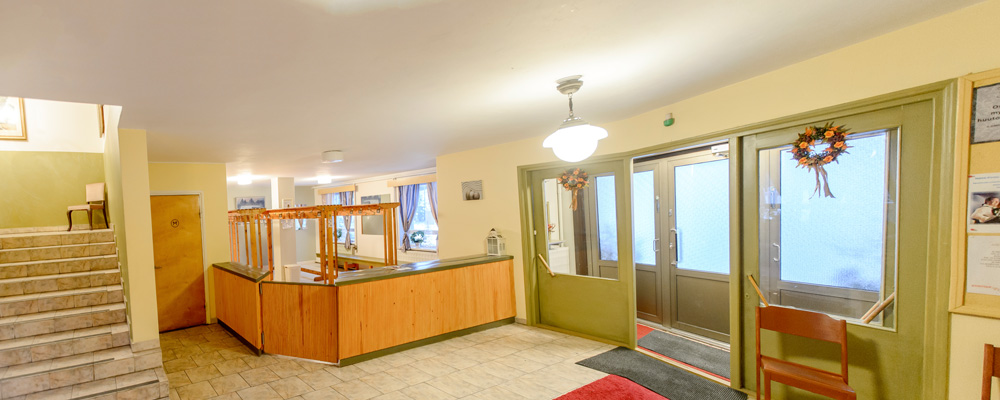
Alasentie 36,
39200 Kyröskoski

Puh: 0400 830 784 / Anne Lähteenmäki
Email: anne@koditar.fi

Tapahtumakalenteri

Hälläpirtillä tapahtuu laidasta laitaan. Emme julkaise yksityistilaisuuksia kalenterissa.
Ota yhteyttä ja tee oma tilavarauksesi.

Welche Bingo‑Varianten & Spiele sind in Deutschland beliebt — lokal abgestimmt

Für eine schnelle, deutschsprachige Plattform mit klarer Kasse und PWA‑Support empfehle ich dir, dir evo-spin-casino-germany anzusehen, da dort SOFORT, Giropay und gängige E‑Wallets angeboten werden und die Oberfläche auf Deutsch gehalten ist, was beim Verstehen der Bonusklauseln hilft.

Dieser Praxis‑Hinweis gehört in die Mitte deiner Recherche, und im nächsten Abschnitt vergleiche ich typische Bingo‑Varianten und Spielauswahl vor Ort.

## Welche Bingo‑Varianten & Spiele sind in Deutschland beliebt — lokal abgestimmt
In Deutschland mögen viele Zocker klassische und schnelle Formate; Book‑Games wie Book of Dead/Book of Ra sind Kult, aber bei Bingo greifen viele auf schnellere Pop‑Bingo‑Tabs oder „Tombola“-varianten zurück.
Gleich danach skizziere ich, wie du Spielauswahl an RTP und Volatilität misst.

Beliebte Titel/Genres (hierzulande): Book of Dead, Book of Ra, Ramses Book (Gamomat), Starburst; Live‑Games: Lightning Roulette, Blackjack; Bingo‑Formate oft als Instant Bingo oder Live‑Bingo Tische eingebunden.
Als Nächstes erkläre ich, wie Mobilnetz und Geräte die Erfahrung beeinflussen.

## Mobilnetz & Performance in Deutschland — Telekom, Vodafone, O2
Real talk: auf Telekom‑Netz (Deutsche Telekom) läuft eine PWA oft ohne Ruckler, Vodafone ist auch gut, O2 kann in Vororten mal langsamer sein; teste daher vor Live‑Bingo einen kurzen Spin auf deinem iPhone oder Android.
Im folgenden Abschnitt liste ich eine Quick‑Checklist, damit du nichts vergisst, bevor du Geld einzahlst.

Quick Checklist für Spieler in Deutschland
– Prüfe Alter: 18+ erforderlich; OASIS/GlüStV beachten.
– Zahlungsmethoden: SOFORT, Giropay, PayPal, Paysafecard — mind. 20 € testen.
– Verifikation: Personalausweis + Adressnachweis bereit halten.
– Boni: WR (Umsatzbedingungen) prüfen; Max‑Einsatz beachten (z. B. 5 € pro Spin oft üblich bei Bonus).
– Netz: Teste auf Telekom/Vodafone; bei schlechtem Empfang lieber WLAN nutzen.
Diese Liste führt weiter zur Sektion mit Fehlern, die viele machen — lies die Fehlerliste direkt danach.

Common Mistakes and How to Avoid Them (für deutsche Spieler)
1. Bonus blind annehmen — prüfe WR 40× und Ausschlüsse; sonst fliegt Bonus weg.
2. Zu hohe Einsätze mit Bonus aktiv — Folge: Stornierung; halte dich an Max‑Einsatz (z. B. 5 €).
3. KYC zu spät hochladen — lade Ausweis früh hoch, sonst verzögert sich Auszahlung.
4. Netzanbindung ignorieren — Live‑Bingo braucht stabile Verbindung; teste vor großen Einsätzen.
Wenn du diese Fehler vermeidest, bleibt mehr von deiner Knete übrig; weiter unten beantworte ich häufige Fragen.

## Mini‑FAQ für deutsche Bingo‑Anfänger (3–5 Fragen)
Q: Sind Gewinne in Deutschland steuerpflichtig?
A: Im Normalfall sind private Glücksspielgewinne steuerfrei; Betreiber unterliegen jedoch eigenen Steuern (z. B. Einsatzsteuer). Weiter: siehe GGL/GlüStV.
Q: Wie schnell zahlt ein seriöses Casino in DE aus?
A: Wallets oft 1–24 Stunden, Banküberweisung 3–5 Werktage; KYC kann zusätzlich 24–72 Stunden dauern.
Q: Welche Zahlmethode ist am flexibelsten?
A: PayPal (auf GGL‑Seiten) und SOFORT sind praktisch; Paysafecard gut für Privatsphäre, aber keine Auszahlungen.
Die nächste Passage nennt Support‑ und Hilfsangebote bei Problemen.

Hilfe & Verantwortungsvolles Spielen (Deutschland)
– BZgA Hotline: 0800 1 37 27 00 (Beratung bei Spielsucht).
– OASIS Sperrsystem: zentrale Sperre für legale Anbieter in Deutschland.
– Setze Limits: täglich/monatlich, Reality Checks aktivieren; das verhindert echtes Glücksspiel‑Leiden.
Zuletzt fasse ich meine Einschätzung zusammen und gebe eine abschließende Empfehlung.

Fazit & persönliche Einordnung für deutsche Spieler
Nicht gonna sugarcoat it — Bingo online und mobile Casino‑Apps können Spaß machen, sind aber in Deutschland streng reglementiert; wer trotzdem zocken will, sollte auf SOFORT/Giropay/PayPal achten, KYC früh erledigen und realistische Budgets nutzen (z. B. 20 €–50 € als Test, dann hoch auf 100 € wenn alles passt).
Wenn du eine deutschsprachige, schnelle PWA mit breiter Auswahl prüfen willst, schau dir ruhig evo-spin-casino-germany an, vergiss aber nicht: immer Limits setzen, nicht die Miete mitspielen, und bei Warnsignalen Hilfe suchen — das ist der verantwortungsvolle Weg, bevor du weiter zockst.

Quellen:
– GGL / GlüStV (deutsche Regulierung, offizielle Infos)
– Eigene Praxiserfahrungen mit PWA‑Tests auf iPhone 14 und Samsung S23 (mobile Performance)

About the Author:
Ich bin ein erfahrener Tester aus Deutschland mit Praxis in mobilen Casino‑Tests, habe zahlreiche PWAs und native Apps auf Telekom‑, Vodafone‑ und O2‑Netzen geprüft und dabei echte KYC‑Abläufe und Bonusbedingungen durchgespielt — und ja, ich habe gelernt, dass man nicht mit dem letzten Zwanni alles riskieren sollte (just my two cents).

High-Roller Slot Strategies in the UK: Secret Tactics for Fruit Machines and VIP Play in the UK

Look, here’s the thing — if you’re a British punter who likes to play big, you don’t want generic tips; you want practical, bankable tactics that work with UK banking rails, local player culture, and the slots & live tables people actually play here. Not gonna lie, high-roller play is as much about money-management and communications with your account manager as it is about which slot you pick, and I’ll lay out the secret stuff that most reviews skip. Next I’ll set out staking maths and payment workarounds that suit VIPs in the UK.

Sizing Bets for High Rollers in the UK: maths that actually helps UK players

One of the biggest mistakes I see is sloppy stake sizing — big swings are inevitable, but you can manage variance. Start by converting bankroll to round GBP figures: if you’ve got £10,000 to play with, treat volatility like a risk bucket and allocate 3–5% per session, so roughly £300–£500 per session; that keeps you in the game without going skint in one sitting. This matters because UK players tend to think in “quids” and “fivers,” and keeping round numbers helps with discipline and tracking.

Here’s a quick formula I use: session bankroll = total roll × session fraction (e.g., 0.03–0.05). If total roll = £50,000 and session fraction = 0.02 (conservative), session budget = £1,000. If scatter mechanics are high-volatility, reduce the fraction; if you’re playing low-volatility fruit machine style slots, you can nudge it up. Next we’ll break down how game choice affects that math.

Game choice for UK VIPs: fruit machines, Megaways and live dealers in the UK

British high rollers still love fruit-machine style hits and classic UK favourites — Rainbow Riches and Book of Dead are staples — but Megaways and live game shows (Crazy Time, Lightning Roulette) are where VIPs chase larger swings and replay value. Personally, I split play: 60% slots (mix of Starburst/Bonanza/Book of Dead), 25% live tables (VIP Blackjack, Lightning Roulette), 15% tournaments or progressive chase (Mega Moolah). That split keeps the expectation and variance in balance and prepares you for cashout planning which I’ll cover next.

Why that split? Because slots like Starburst and Book of Dead have known RTP patterns and steady churn, while Mega Moolah offers jackpot upside at the cost of nearly zero expectation — and live tables let you leverage skill or side-bets. Next up: how payments and withdrawal cadence in the UK shape your VIP strategy.

Banking & Payments for UK High Rollers: what actually works in the UK

UK payment rails are fast: Faster Payments and PayByBank make instant GBP transfers possible and are ideal for big VIP flows, whereas PayPal and Apple Pay are often the go-to for convenience. Real talk: offshore casinos sometimes advertise credit-card deposits which is a red flag for Brits since credit card gambling was banned on UK-licensed sites — that’s worth a second thought. Knowing which method your bank will accept can save you from declined deposits at the worst moment, so always check before you move money in.

If you prefer crypto to avoid repeated bank blocks, that’s fine for offshore sites but remember network fees and FX moves; for instance a £1,000 BTC deposit might cost you a few percent in spread/fees, so factor that into your staking plan. Next I’ll show a small comparison so you can pick the best route for deposits and withdrawals.

Comparison table for UK VIP deposit & withdrawal options

Method (UK context) Speed Typical Fees Notes for UK VIPs
Faster Payments / PayByBank Instant Usually 0% Best for GBP transfers from major UK banks (HSBC, Barclays)
PayPal / Apple Pay Instant Often 0% from site Convenient, but not always supported by offshore platforms
MiFinity / E-wallets Instant 0%–1% Works well when cards are blocked; some sites require KYC first
Visa / Mastercard (debit) Instant in / 2–4 days out 0% from casino; bank-dependent Many UK banks block offshore gambling merchants; credit cards are banned on UK-licensed sites
Cryptocurrency Minutes to hours Network fee Good for large transfers; watch volatility and network charges

That table should help you choose the path of least resistance for deposits and cashouts, and next I’ll show two short VIP case examples so you can see how this works in practice.

Two VIP mini-cases for UK players

Case A — The cautious VIP from Manchester: deposits £20,000, uses Faster Payments to fund a MiFinity account, then plays £1,000 sessions aimed at cashing out gains weekly; sets a weekly withdrawal cap of £5,000 to avoid conversion spreads and bank friction. This keeps their bookkeeping tidy and reduces bank declines. Next we’ll look at a contrasting aggressive case.

Case B — The high-variance punter from London: deposits £50,000 partly in crypto (for larger limits) and partly via PayByBank; chases big progressive jackpots like Mega Moolah or high-stakes Crazy Time; expects weekly drawdowns and sets a cooldown rule after a 15% session loss. This aggressive approach needs strict self-control and I’ll show a checklist to maintain that discipline next.

Quick Checklist for UK High Rollers

  • Set a session bankroll (3–5% of total roll) and stick to it — e.g., £500 on a £10,000 roll.
  • Use Faster Payments / PayByBank or PayPal where possible to avoid declines.
  • Complete KYC before you need cashouts — that avoids slowdowns when you hit a win.
  • Split play: steady slots + live table coverage + a small jackpot chase portion.
  • Track all deposits/withdrawals in GBP (e.g., £20, £100, £1,000) to see real ROI.

Follow those points and you’ll avoid the typical admin traps; next I’ll highlight common mistakes and how to avoid them so you don’t end up chasing losses.

Common Mistakes and How to Avoid Them for UK VIPs

Not doing KYC early — frustrating, right? Many VIPs get blocked at withdrawal because they delayed ID checks; fix it by uploading documents at sign-up so you’re ready when cashout time comes. That’s one of the easiest wins and we’ll expand on practical verification tips next.

Mixing currencies without tracking — I mean, it’s tempting to stash in crypto then forget conversion impact; make a habit of logging GBP-equivalent values (e.g., £1,000 ≈ €1,160 at time of deposit) so you don’t lose in the wash. This leads us into how to manage bonus rules and stake caps next.

Bonus traps, stake caps and UK regulatory context

Not gonna sugarcoat it — offshore “wager-free” offers often come with sticky balances, small max bets, and cashout caps; combine that with banks that block some payments and you’ve got a headache. For Brits, the main difference is playing offshore vs UKGC-licensed brands: the UK Gambling Commission enforces safeguards like credit card bans (on UK-licensed sites), GamStop integration, and stricter ADR procedures, whereas offshore operations may offer looser banking but fewer protections. Keep your expectations realistic and always read the small print before opting in for any bonus.

Speaking of protections, if you’re worried about harm, GamCare’s National Gambling Helpline (0808 8020 133) is one of the best UK resources, so take that into account before you push up limits; next I’ll answer a few quick FAQs most high rollers ask.

Mini-FAQ for UK High Rollers

Q: Are offshore casinos safe for UK punters?

A: Could be wrong here, but the safe answer is: they carry extra risk. Offshore sites might offer big promos and crypto rails, but they aren’t regulated by the UK Gambling Commission, so you don’t get UKGC dispute pathways or GamStop coverage — more reason to keep KYC clean and deposits sensible before you play.

Q: Which payment method avoids bank declines in the UK?

A: In my experience, Faster Payments / PayByBank and reputable e-wallets (PayPal, Apple Pay where supported) reduce declines compared to direct card payments to offshore merchants. Next, check with your bank or use an e-wallet that’s accepted by the site.

Q: How should I handle big wins with withdrawal caps?

A: Not gonna lie — weekly withdrawal caps are annoying. Best practice: negotiate VIP terms up front, split large wins across different methods (crypto + bank transfer), and plan cashouts over a few weeks if necessary while documenting everything for risk staff. That helps keep funds moving and relations smooth with the site.

Horys Casino banner showing VIP play and slots

Where to look next for UK VIP offers (practical pointer)

If you want to compare an offshore offering against UK-regulated alternatives, I’d suggest checking specific terms for stake caps and cashout limits on any brand you consider, and if you’re curious about a big offshore lobby with wide crypto support you can look at horus-casino-united-kingdom as an example of the type of product that trades bigger promos for looser protections, and weigh that against UKGC-licensed platforms with GamStop and stricter safeguards. That said, always treat offshore play as higher risk and never deposit more than you can afford to lose.

Also, if you prefer a platform with a massive game library but want to keep UK-style safeguards, consider limiting your funds on offshore sites to entertainment money and keeping your main bankroll on UK-licensed operators; next I’ll finish with responsible gaming notes and my author credentials.

18+ only. Gamble responsibly — if gambling is affecting your wellbeing, consider self-exclusion or contact GamCare (0808 8020 133) or BeGambleAware for help, and remember GamStop covers UK-licensed operators only.

Sources & About the Author (UK-focused)

Sources: industry testing, provider RTP docs, and hands-on VIP account work in the UK and offshore contexts — plus published payment rails and UK regulatory guidance. If you’d like a direct look at an offshore site that illustrates the trade-offs described, see horus-casino-united-kingdom as a concrete example to compare against UKGC options.

About the author: I’m a UK-based gambling analyst and long-time punter who’s worked with VIP programmes and run real bankroll tests across slots, Megaways, and live tables — I’ve been on both sides of the balance sheet so these tips come from practical use, not theory. If you want my two cents on a specific staking plan, drop me a note — and mate, remember: enjoy the session and walk away when it’s no longer fun.

Online Craps for Kiwi Players: A Practical Guide in New Zealand

Look, here’s the thing: craps can look munted at first if you’re used to pokies and quick bets, but it’s actually choice once you get the hang of the flow. This guide breaks craps down for Kiwi punters across Aotearoa, with practical NZ$ examples and local payments so you can punt without losing your head. The next section starts with the basic rules so you can see how a session plays out in real terms.

Quick Craps Rules for NZ Players (Simple and Sweet as)

Not gonna lie — the table looks chaotic, but the rules are manageable. In short: the shooter rolls two dice; a come-out roll of 7 or 11 is an immediate win for pass line bets, 2/3/12 are losses, and other totals set the point. Keep in mind that many side bets have terrible house edges, which we’ll flag below so you don’t chase losses. Next I’ll walk you through the bets you should actually use.

Article illustration

Best Bets for Kiwi Punters in New Zealand

Honestly? Stick to the pass line, take odds, and back up with come bets if you like. These wagers have the lowest house edge when combined properly. For example, a NZ$50 pass line bet with a 2× odds backing gives much better expected value than throwing NZ$10 on a hardways bet every roll. This section will explain bet sizing and a simple bankroll rule to follow on buses or when you’re in the dairy on the way home.

Bankroll & Bet-Sizing — Practical Rules with NZ$ Examples

Here’s what bugs me: people jump in without a plan. Use a session bankroll and unit system. Start with a session of NZ$100 and use 1 unit = NZ$2 (so 50 units). If you want a higher session, try NZ$500 with 1 unit = NZ$5 to maintain proportional bets. This reduces tilt and makes the maths predictable, and next I’ll show a tiny calculation for clearing a bonus wagering requirement if you ever chase sign-up deals.

Bonus Math & Wagering (Why Casinos Make It Hard)

Right — a 200% welcome offer with 40× (deposit + bonus) is common and brutal. For example: deposit NZ$100 and get NZ$200 bonus → total NZ$300; 40× means NZ$12,000 turnover. That’s unrealistic for most Kiwi punters, so don’t be that guy chasing a bonus you can’t clear. Instead, focus on low-weighting bets like pass line and high RTP games to make more progress, which I’ll compare to other options below.

Where New Zealand Players Can Deposit: Local Payments & Crypto

For NZ players, convenient options matter. POLi (direct bank link), Visa/Mastercard via providers like MoonPay (for crypto purchases), Apple Pay, Paysafecard and direct bank transfers are the common routes to fund play. POLi is especially useful for those who don’t want card hassles because it links directly to ANZ, BNZ, ASB and Kiwibank and shows instant confirmation. Next I’ll outline withdrawal realities and the special case of crypto.

Withdrawals & Crypto — Fast Payout Paths for Kiwi Players

Not gonna sugarcoat it — offshore crypto casinos often pay fastest in crypto. If you use Bitcoin or USDT you can see funds in minutes once the operator processes the withdrawal, whereas NZD fiat withdrawals to NZ bank accounts are often not offered by offshore sites. If you plan to convert back to NZ$, expect exchange and service fees (e.g., buying NZ$500 worth of USDT might incur a 1.5–3% fee via on-ramp services). The following paragraph compares reliable options for deposits and withdrawals.

Comparison Table — Deposit & Withdrawal Options for NZ Players

Method Typical Fees Speed Notes
POLi (Bank Link) Low / per bank Instant Good for NZ$ deposits, common with local banks
Visa/Mastercard (via MoonPay) 2–4% Instant Buys crypto directly; NZ$ → crypto bridge
Apple Pay Low–Medium Instant Convenient on mobile; supported by many wallets
Crypto (BTC/ETH/USDT) Network fees Minutes–1 hour Fastest withdrawals but requires wallet
Paysafecard Voucher fee Instant Prepaid anonymity; limited withdrawals

That table gives you a quick snapshot; next I’ll discuss trust and legal context for Kiwi players so you know what protections exist.

Legal Status & Player Protections in New Zealand

Players in New Zealand are generally allowed to use offshore sites, but operators can’t be based in NZ under the Gambling Act 2003. The Department of Internal Affairs (DIA) and the Gambling Commission oversee regulation and compliance, and proposed licensing reform is in the works. This means Kiwi punters won’t have the same local regulator to complain to if something goes pear-shaped with an offshore operator, so read T&Cs carefully and expect slower dispute resolution. The next paragraph covers red flags to watch for when choosing a site.

Red Flags When Choosing an Offshore Site (and How to Avoid Them)

Chur — don’t ignore licence details, KYC policies, or withdrawal limits. Red flags include vague company addresses, no verifiable RNG or provably fair reports, and support that only offers canned replies. Prefer platforms offering transparent payouts, clear KYC, and 2FA vault features. For those wanting a starting point, many Kiwi punters check reputation threads and independent reviews before betting, which leads to the next practical suggestion about vetted platforms.

If you want a vetted crypto-first site with fast payouts and NZ-focused info, consider stake-casino-new-zealand as one option that lists crypto rails and VIP perks familiar to Kiwi players and supports MoonPay on-ramps for NZ$ purchases.

Common Mistakes Kiwi Punters Make (and How to Avoid Them)

  • Chasing big bonuses without checking the 40× wagering — you’ll tie up cash and get frustrated; instead check real EV. This links to the bonus math section above and the next item about bet choice.
  • Playing high house-edge side bets like hardways every roll — they look fun but burn NZ$ fast; stick to pass/come and odds instead for steady play which I explain further below.
  • Not completing KYC until a big withdrawal — complete verification early to avoid delays on big wins, and this ties into choosing trusted payment methods like POLi or Apple Pay.

Those mistakes are common; the next paragraph provides a quick checklist so you can set up a safe NZ session in minutes.

Quick Checklist Before You Punt (NZ Players)

  • Age: 18+ online rules (casino entry to venues is 20+ where applicable). Next: have ID ready.
  • Set session bankroll in NZ$, e.g., NZ$100–NZ$1,000 depending on experience, and stick to 1–2% units.
  • Choose deposit method (POLi, Apple Pay, Visa via MoonPay or crypto).
  • Complete KYC (ID + proof of address) before large withdrawals.
  • Enable 2FA and use vault features to protect funds from late-night tilt.

Follow that checklist and you’ll avoid the usual newbie headaches, and the paragraph after this gives a short real-life mini-case so you can see the rules applied.

Mini-Case: A Simple NZ Craps Session

Example: Jess in Wellington deposits NZ$200 via POLi, converts NZ$50 into crypto for a side trial and leaves NZ$150 for table play. She bets NZ$5 on the pass line (1 unit = NZ$5), takes 2× odds when the point hits, and stops at NZ$300 profit or when losses hit NZ$50. Not gonna lie — disciplined sessions like this are boring but they keep your dairy money intact. Next I’ll add tips to reduce variance when you’re chasing a steady run.

Strategy Tips to Reduce Variance for Kiwi Punters

Play shorter sessions with smaller unit sizes, take full odds when possible (they have zero house edge), and avoid proposition bets to keep variance low. If you want a bit of fun, set aside a small “fun fund” of NZ$20 for a cheeky hardways wager and treat it as entertainment, not a bank-builder. The following mini-FAQ answers common practical queries for New Zealanders.

Mini-FAQ for NZ Players

Is it legal to play craps on offshore sites from New Zealand?

Yes — New Zealanders can legally play on offshore casinos, but the operators cannot be based in NZ under the Gambling Act 2003. The DIA handles gambling oversight, so be aware of jurisdictional limits before choosing an operator.

Which payment method is fastest for withdrawals?

Crypto withdrawals (BTC/USDT/ETH) are typically fastest; POLi and card deposits are instant but withdrawals usually depend on operator policy. Always verify withdrawal processing times and fees before depositing.

How much should I bet at first?

Start small. Try NZ$2–NZ$5 units if you’re new, keeping sessions under NZ$100 until you’re comfortable with table rhythm and variance.

Those answers should help; next are a few trustworthy resources and a reminder about staying safe when gambling in New Zealand.

Responsible Gambling & Local Help

Not gonna lie — gambling should be entertainment only. If it stops being that, call Gambling Helpline NZ on 0800 654 655 or visit gamblinghelpline.co.nz. The Problem Gambling Foundation (0800 664 262) also helps Kiwis who need support. Always set deposit limits and use cool-off or self-exclusion tools provided by your chosen site. The final paragraph wraps up with a short local recommendation and one last practical pointer.

One practical pointer: test small deposits and a withdrawal of NZ$20–NZ$50 first to verify processing times and fees before scaling up your bankroll, and if you want a starting platform to research more NZ-focused crypto options, check reviews and platforms such as stake-casino-new-zealand which list local payment on-ramps and VIP perks relevant to Kiwi punters.

Sources

  • Department of Internal Affairs — Gambling Act 2003 context (DIA)
  • Gambling Helpline NZ — gamblinghelpline.co.nz
  • Problem Gambling Foundation — pgf.nz

About the Author

I’m a Kiwi iGaming writer and regular punter from Auckland with years of experience testing offshore crypto sites and a long history with pokie rooms and live tables across NZ. In my experience (and yours might differ) the simplest strategies and disciplined bankroll control are the ones that keep you sweet as over the long run.

18+. Gambling can be addictive. For free, confidential help in New Zealand call 0800 654 655 (Gambling Helpline NZ) or 0800 664 262 (Problem Gambling Foundation). Play responsibly.

Trustly Payment System Review for Australian Casinos — Practical Guide for Aussie Punters


Look, here’s the thing: if you’re a punter in Australia who wants instant, bank-backed deposits and clean withdrawals without faffing about with cards, Trustly is one of the options you’ll hear about, and it’s worth a proper squiz. This piece cuts through the fluff and shows how Trustly stacks up for Australian players and affiliates, with local payment alternatives like POLi and PayID, and real-world affiliate SEO tips that actually work in Oz. The next section dives into what Trustly really does for deposits and withdrawals across Australia.

What Trustly is and how it works for Australian players (in Australia)

Trustly is a bank-to-bank payment rails provider that lets customers pay directly from their bank account without entering card details, and it appears seamless in many EU markets; however, in Australia its footprint is more niche and often compared to local systems like POLi and PayID. For Aussie punters the attraction is clear: no card number, fast confirmation, and the feeling that you’re using your bank without handing over a plastic number. That said, how this actually plays out in Oz differs from the EU model, so let’s unpack the practical differences next.

Article illustration

Trustly vs POLi, PayID and BPAY — practical comparison for Aussie punters

In real-world use cases across Sydney, Melbourne and Brissie, POLi and PayID are the default choices for many local casinos and bookmakers because they integrate directly with Australian banks; BPAY is slower but trusted. Trustly sits somewhere between those options and international e-payments, making it attractive for some offshore casinos that want a bank-style deposit without supporting POLi. Below is an at-a-glance comparison to help you pick fast.

Payment Method (for Australian players) Speed Typical Fees Best Use
POLi Instant Usually free for punters Trusted local deposits from A$20–A$1,000
PayID Instant Usually free Quick bank transfers via phone/email handle
BPAY Same day to 1–2 business days Usually free Trusted bill-pay style deposits and larger transfers
Trustly Instant to a few minutes (varies) May carry small fees depending on operator Useful where POLi/PayID aren’t supported
Crypto (BTC/USDT) Minutes after confirmations Network fees Fast withdrawals/deposits on offshore sites

If you normally play at Aussie-friendly offshore casinos you’ll often prefer POLi or PayID for hassle-free instant deposits, but Trustly can be a decent fallback where those local rails are unavailable; next I’ll walk through costs and KYC realities that matter to your bankroll.

Costs, limits and KYC — what an Aussie punter should expect (in Australia)

Not gonna lie — the fees and limits are the bits that bite if you’re not prepared. Typical minimum deposits in many offshore casinos start at around A$30, and Trustly-based deposits often mirror that reality. Expect daily deposit limits (commonly A$6,000 or similar on many platforms), and be ready for KYC: ID and proof of address are standard before withdrawals, which can delay crypto or fiat outs. Read on to see practical examples and how to avoid delays.

Example scenarios: if you deposit A$50 via PayID you’ll usually be playing in seconds; a Trustly deposit of A$100 might also clear instantly, but a cash-out to bank via Trustly can be slowed by KYC or anti-money-laundering holds, especially on long weekends or public holidays like Australia Day (26/01). Understanding these timings helps you plan bankroll moves and avoid logging in mid-arvo expecting instant cash. The next paragraph gives tips to speed up withdrawals.

Speeding up payouts and avoiding KYC headaches for Australian gamblers

Honestly? The single best move is prepping KYC documents before your first big win — a clean passport scan and a current utility bill (dated within 3 months) saved locally will save you headaches. If you want near-instant cashouts, crypto is usually fastest once KYC is greenlit, but bank rails through Trustly can also be quick when the operator supports it. Read these practical steps to minimise delays.

  • Upload passport or driver’s licence scans at sign-up to reduce verification waits — this saves you a weekend trip to the scanner.
  • Use PayID or POLi for deposits under A$500 to avoid card blocks from CommBank, NAB or ANZ, which sometimes flag offshore gambling payments.
  • If the site supports it, opt for a crypto withdrawal for same-day clearing once KYC is approved.

These steps cut out most bottlenecks and help you avoid drama when you’re trying to cash out before the footy or the Melbourne Cup — next I’ll run through affiliate SEO angles for Aussie-focused payment pages.

Affiliate SEO strategies for Australian casino payments pages (Australia-targeted)

Alright, check this out — if you’re an affiliate targeting Aussie punters, you don’t win by copying generic EU pages. You win by signalling local intent: use geo-modifiers (e.g., “Trustly for Australian punters”), mention local payment rails (POLi, PayID, BPAY), and sprinkle recognised local banks (CommBank, NAB) and telcos (Telstra, Optus) to show relevance. Below are actionable steps that actually move the needle for search engines and for real Australians looking for payments info.

  1. On-page: Use H1/H2 with “in Australia” or “for Aussie punters” to be explicit about geo-focus and match search intent.
  2. Content: Provide currency examples in A$ (A$20, A$50, A$500) and local date formats (DD/MM/YYYY) to increase trust signals.
  3. Payments: Compare Trustly to POLi/PayID/BPAY and include local pros/cons — that’s the practical content users crave.
  4. Trust: Mention local regulators and legal context — ACMA, Liquor & Gaming NSW, VGCCC — and the Interactive Gambling Act to be authoritative.

Following those steps will improve CTR and engagement for Aussies because the page will feel fair dinkum local rather than a generic global stub, and the next section shows a sample affiliate paragraph that fits this brief — including a recommended platform mention.

How to mention casinos and payment partners naturally (example paragraph for affiliates in Australia)

For Australian players who prefer bank-style deposits and want a smooth experience, a line like this works: “If you prefer bank transfers over cards, consider sites that accept POLi or PayID first, and where unavailable, Trustly can be a smooth alternative; many Aussie-friendly offshore platforms supporting quick crypto outs will still list POLi as the preferred route.” This kind of phrasing places Trustly in local context and increases conversion for Aussie traffic by matching expectations. Speaking of actual sites that work for Australians, it’s worth visiting bitkingz if you want a casino that lists both AUD and crypto-friendly options — and I’ll explain why shortly.

To be specific, bitkingz often appears in affiliate comparisons for Aussie punters because the platform supports multiple deposit options and shows AUD pricing, which cuts down confusion for players juggling conversion fees. That localised reference builds trust and keeps readers on the page longer, which is exactly what affiliate SEO needs. The next paragraph explains compliance and legal nuance for Aussie audiences.

Legal context for Australian players (ACMA and state regulators)

Important: online casino services are restricted in Australia under the Interactive Gambling Act (IGA), and ACMA enforces domain blocking for offshore operators; however, players themselves aren’t criminalised. Different states have their own regulators — Liquor & Gaming NSW and VGCCC in Victoria among them — and affiliates must be transparent about these realities when advising readers. This legal framing also informs payment choices since Aussie banks may block card gambling transactions to offshore casinos. The following short section covers game preferences and peak seasons in Australia.

Local game preferences and when Australians punt (for Australian punters)

Aussie punters love their pokies and Aristocrat hits like Queen of the Nile, Big Red and Lightning Link, and they often hunt for online equivalents like Sweet Bonanza or Wolf Treasure when playing offshore. Peak play spikes around the Melbourne Cup and during the cricket summer — times when deposit rails and payout speeds matter more because everyone’s watching the race or the Ashes and wants in quick. If your payments page doesn’t mention pokies and key events, you’re missing a huge relevance signal for Australian searchers. Next, let’s run a quick checklist you can copy.

Quick Checklist — Payments & Affiliate SEO for Australia

  • Make pricing local: show examples in A$ — e.g., A$20, A$50, A$500 — to set expectations.
  • Mention POLi, PayID and BPAY as preferred local options, and Trustly as an alternative where those aren’t available.
  • Include regulator notes: ACMA + relevant state bodies and a plain-English legal note about the IGA.
  • Signal telco compatibility: note that the site works well over Telstra and Optus networks for mobile play.
  • Provide KYC prep tips and common doc lists to reduce payout friction.

Keep this checklist near the top of any affiliate landing page aimed at Aussies to increase user trust and reduce bounce rates, and the next section lists common mistakes to avoid that I’ve seen mates fall into.

Common Mistakes and How to Avoid Them (for Aussie punters & affiliates)

  • Assuming card payments always work — banks like CommBank and NAB may block offshore gambling transactions; use POLi/PayID where possible.
  • Not prepping KYC — failing to upload a recent utility bill can stall withdrawals for days and spoil your arvo plans.
  • Ignoring deposit turnover/wagering terms — converting a “A$100 bonus” into withdrawable cash can be a big ask if wagering is 35×.
  • Using non-local phrasing — affiliate content that doesn’t mention Australia, A$ amounts, or local rails will underperform.

Avoiding these mistakes keeps your money moving and your content converting, and if you want a short list of FAQs to include on-page, see the mini-FAQ below which answers the questions punters most often search for.

Mini-FAQ (for Australian punters)

Is Trustly available for players in Australia?

Short answer: sometimes — it depends on the operator. Many Aussie-friendly offshore casinos prefer POLi or PayID, but Trustly is used by some sites as an alternative bank-transfer method; always check the casino’s payments page and whether AUD is supported to avoid conversion fees.

What’s fastest for withdrawals — Trustly or crypto?

Crypto is typically fastest once KYC is cleared, with payouts often arriving within minutes after confirmation. Trustly can be quick for deposits, but fiat withdrawals may be delayed by bank processing and KYC checks, especially over public holidays like Australia Day or during a Melbourne Cup traffic spike.

Are payments to offshore casinos legal in Australia?

Players aren’t criminalised under the Interactive Gambling Act, but offering online casino services to Australians is restricted and ACMA enforces blocks — this is why many sites shift mirrors and why affiliates should be careful to explain the legal context clearly.

If you’re building an affiliate page or choosing where to punt tonight, these answers will keep you out of common traps and help you pick the right payment method for the job — next I’ll close with a couple of concrete examples that show the math around wagering and payout timing.

Mini case examples — realistic scenarios for Aussie punters

Case A: You deposit A$100 via PayID at 20:15 before the footy; the site credits instantly, and you’re ready to punt within minutes — clean and simple. Case B: You deposit A$200 via Trustly on a Friday evening, win A$3,000, and attempt a bank withdrawal — expect KYC and a 1–3 business day hold as the operator routes to your bank, particularly if your bank flags offshore cash-ins. These cases illustrate why choosing the right rail matters depending on whether you need instant play or fast cashout. Read on for final practical recommendations.

Practical recommendations for Aussie punters and affiliates (in Australia)

For punters: use POLi or PayID where available for instant deposits under A$500, prepare KYC early, and prefer crypto for fast withdrawals once your docs are greenlit. For affiliates: localise heavily — use A$ examples, mention Aussie banks and telcos, and provide comparisons between POLi, PayID and Trustly while being transparent about legal nuances. If you’re testing platforms for Aussie audiences, give sites a spin on Telstra 4G and Optus to confirm mobile UX — that little extra test increases credibility on your pages. Before I sign off, here’s a short responsible-gaming note and a useful link suggestion.

One useful platform example that comes up in Australian comparisons for mixed AUD + crypto support is bitkingz, which lists AUD options and a range of deposit rails suited to punters who want both fiat and crypto flexibility — include a live verification of payment methods on your landing pages to avoid surprises for readers. This reference sits in the middle of the article to help readers compare options after they’ve read the practical tips above, and the final paragraph wraps the guide up.

18+ only. Gamble responsibly — set deposit and session limits, and use BetStop or Gambling Help Online (1800 858 858) if you need support. This guide aims to inform, not to encourage excessive gambling; treat it like a night out, not a plan to earn money.

About the author: I’m an Aussie affiliate/content strategist with hands-on experience testing payments on both local and offshore casino platforms; I’ve helped optimise pages for A$-driven traffic and advised teams on POLi/PayID integration and KYC best practice. If you’re building AU-targeted content, start local and keep it fair dinkum — that’s the best way to earn trust and clicks from Straya punters.

Signes d’addiction au jeu en France : comment repérer le basculement et agir

Look, voici le truc : si vous jouez de temps en temps à une partie de poker entre potes ou que vous kiffez les cotes du foot, ça ne signifie pas automatiquement addiction — mais il y a des signes précis qui doivent vous alerter. Dans cet article, je vous donne des repères concrets pour les joueurs français, des exemples chiffrés en €, et des étapes pratiques à suivre si vous ou un proche commencez à perdre le contrôle. La suite explique comment évaluer la situation et préparer une action simple, sans jargon inutile.

Ce guide est pensé pour les joueurs en France (de Paris à Marseille), il mentionne les réalités locales — ANJ, moyens de paiement courants comme la CB ou Paysafecard, et des ressources nationales comme Joueurs Info Service — et il finit par une mini-FAQ utile. Maintenant, voyons d’abord les signaux d’alerte classiques que j’ai observés sur le terrain et dans les forums FR, puis on digèrera ça en checklist actionnable pour la suite.

Signes d’alerte immédiats pour joueurs français

Franchement ? Les signaux ne tombent pas du ciel. Premier signe : vous commencez à « vous refaire » fréquemment après une perte, en augmentant vos mises. C’est classique — on appelle ça le chasing, et c’est un marqueur fort d’addiction. Ce comportement précède souvent d’autres problèmes. Ensuite, vous verrez des impacts financiers mesurables (dettes sur carte CB, découverts à la banque), et des changements sociaux (mensonges aux proches). Ces éléments s’additionnent et indiquent un basculement — la suite explique pourquoi et comment intervenir.

Comportements concrets à surveiller (liste courte)

Voici ce que je vois le plus souvent chez des joueurs en France qui glissent vers l’addiction : 1) pertes de contrôle temporel (jouer tard la nuit) ; 2) priorisation des mises sur les dépenses courantes (loyer, courses) ; 3) tentative de récupérer via crypto ou sites offshore ; 4) isolement social ; 5) mensonges au sujet de la thune. Si vous reconnaissez 2–3 items sur cette liste, passez à l’action — je vous dis comment plus bas et je propose des messages types pour le support ou la famille.

Pourquoi la forme de jeu importe pour le risque en France

Not gonna lie — le type de jeu change tout. En France, le poker réglementé et les paris sportifs (PMU, FDJ) sont courants et encadrés, alors que les machines à sous et casinos en ligne sont hors du cadre ANJ et souvent accessibles via sites offshore. Les jeux « crash », les mini-games et certaines machines à sous (Book of Dead, etc.) sont très volatils et favorisent le comportement impulsif. Ce détail est important: si vous jouez beaucoup à ces jeux, le risque d’addiction et de pertes rapides est plus élevé, et ça nécessite une réponse différente — voyons les mesures pratiques ensuite.

Mesures pratiques immédiates (pour joueurs et proches en France)

Action rapide : limitez l’accès monétaire. Bloquez les paiements récurrents, mettez une opposition temporaire sur la CB si besoin, et coupez les e-wallets (Skrill, Neteller) ou les méthodes anonymes (Paysafecard) si elles servent au jeu. En parallèle, conservez preuves et relevés — utile si on veut faire un point avec une banque (Crédit Agricole, BNP Paribas) ou demander une aide adaptée. Ces étapes réduisent le dommage court terme ; ensuite, on passe à l’accompagnement.

Accompagnement et ressources locales

En France, il y a des structures sérieuses : Joueurs Info Service (09 74 75 13 13) propose écoute et orientation, et l’ANJ gère les interdictions de jeu volontaires. Si vous êtes en crise, appelez avec les informations basiques (dépenses, dates). En parallèle, désactivez les applications de casino sur votre mobile et changez les mots de passe — petites barrières qui comptent. Plus bas, je propose un message type à envoyer à quelqu’un qui joue trop — utile pour les proches qui veulent intervenir sans dramatiser.

bannière d'information sur les jeux et addiction

Quick Checklist pour évaluer le risque en France

Voici un checklist rapide à cocher — faites-le en 5 minutes, puis passez à l’action si ≥3 items sont vrais :

  • Je mise plus de 50 € par session plus de deux fois par semaine.
  • J’ai déjà utilisé la CB au-delà du budget mensuel (ex : 500 €+ en dépôts en une semaine).
  • J’ai menti à ma famille au sujet de mes dépenses de jeu.
  • Je joue pour « me refaire » après une perte.
  • J’ai essayé des sites non régulés ou des paiements en crypto pour contourner des limites.

Si vous cochez trois cases ou plus, stoppez et suivez les mesures immédiates décrites ci‑dessus ; ensuite, regardez les options d’aide professionnelle et d’exclusion volontaire ANJ, comme expliqué dans la section suivante.

Comparatif rapide des options d’aide (France)

Option Avantage Limite
Joueurs Info Service Gratuit, en français, orientation personnalisée Support non juridique
Interdiction volontaire ANJ Bloque accès légal aux jeux Ne couvre pas les sites offshore
Banque (opposition CB) Stoppe transactions immédiates Peut compliquer la gestion financière
Thérapie spécialisée (addiction) Prise en charge profonde Coût/temps

Ce tableau aide à choisir une stratégie mixte : court terme (banque + suppression d’apps) puis moyen/long terme (soutien pro). La prochaine section montre erreurs fréquentes et comment les éviter.

Erreurs fréquentes et comment les éviter

Voici les bourdes que je vois souvent — et comment ne pas les répéter :

  • Erreur : cacher l’addiction aux proches. Solution : ouvrir un petit échange factuel, sans juger, avec le checklist ci‑dessus en main.
  • Erreur : tenter de récupérer les pertes avec des mises plus hautes. Solution : mettre en place un blocage bancaire immédiat et un contact avec Joueurs Info Service.
  • Erreur : utiliser des sites offshore ou la crypto pour contourner les limites — cela aggrave le risque légal et financier. Solution : fermer ces comptes et garder preuves des transactions si vous avez besoin d’un relevé pour la banque.

Eviter ces erreurs réduit considérablement la probabilité d’aggravation; maintenant, deux exemples concrets illustrent le parcours typique et la réponse efficace.

Mini-cas pratiques (France)

Cas A — Julie, 28 ans, Paris : dépôt CB 300 € en 48h, essaye de se refaire après 200 € de pertes ; solutions appliquées : opposition CB temporaire, contact Joueurs Info Service, rdv psy. Résultat : réduction des dépenses et plan de budget. Ce scénario montre que l’intervention rapide évite l’engrenage.

Cas B — Marc, 42 ans, province : utilise crypto pour jouer sur slots offshore, dépenses non suivies, isolement. Solutions : export TXID, fermeture comptes exchange, assistance bancaire pour surveiller flux. Résultat : ralentissement net des pertes et recours à un groupe d’entraide. Ces exemples donnent des actions claires à suivre selon votre situation.

Ressources et messages types (à copier‑coller)

Message pour un proche (court) : « Salut, j’ai remarqué que tu joues beaucoup ces derniers temps et je m’inquiète pour toi. Peux‑tu en discuter 10 minutes ? J’ai des infos utiles et des numéros à partager. » — terminez par une proposition concrète (appel ensemble à Joueurs Info Service).

Message au support bancaire : « Bonjour, je demande une opposition temporaire sur la carte XXXX pour des dépenses liées aux jeux en ligne, motif prévention. Merci de confirmer par écrit. » — gardez la trace écrite pour la suite.

Mini-FAQ pour joueurs en France

Q : Quels services en France peuvent m’aider gratuitement ?

R : Joueurs Info Service (09 74 75 13 13) pour écoute et orientation ; ANJ pour l’enregistrement d’une interdiction volontaire. En parallèle, parlez à votre banque (Crédit Agricole, BNP Paribas, etc.) pour limiter l’accès aux fonds.

Q : Est‑ce que bloquer ma CB suffit ?

R : C’est un bon premier pas pour stopper l’hémorragie, mais il faut combiner avec un accompagnement (thérapeute ou groupe) pour traiter la cause. Bloquer la CB prévient les pertes futures pendant que vous organisez l’aide.

Q : Les sites offshore en crypto sont-ils plus dangereux ?

R : Oui — ils contournent souvent les protections, offrent des jeux très volatils et n’offrent aucun recours ANJ. Si vous ou un proche utilisez ces sites, la priorité est de sécuriser les comptes bancaires et d’isoler les flux crypto.

18+ — Si vous ressentez une perte de contrôle, contactez Joueurs Info Service (09 74 75 13 13) ou visitez joueurs-info-service.fr. La pratique du jeu comporte un risque de dépendance. En France, l’ANJ supervise les activités légales ; les casinos en ligne non agréés restent hors du cadre protecteur ANJ, ce qui augmente les risques.

Pour finir, si vous voulez lire un exemple de plateforme et comprendre comment certains opérateurs affichent des bonus tout en créant des pièges au retrait, regardez ce retour sur casino-bourbon-larchambault qui illustre bien ces mécanismes et pourquoi il vaut mieux privilégier la prudence. Ensuite, si vous cherchez des cas concrets sur des pratiques de bonus et de KYC, cette ressource offre un cas d’étude utile pour joueurs en France.

Et encore — dernier conseil, pas juste de la théorie : si vous êtes concerné, faites un plan en trois étapes (stop immédiat, aide courte, accompagnement long) et mettez les barrières physiques en place (changer mots de passe, supprimer apps, informer la banque). Si vous cherchez des témoignages ou des communautés d’entraide, commencez par Gamblers Anonymous localement et les forums FR, mais préférez toujours un professionnel pour un suivi durable. Pour compléter, voici une autre ressource d’exemple sur la manière dont un opérateur peut complexifier les retraits pour garder la thune — lire l’analyse sur casino-bourbon-larchambault peut donner des idées sur les preuves à collecter si vous devez escalader une plainte.

Sources

  • ANJ — autorité nationale des jeux (anj.fr)
  • Joueurs Info Service — 09 74 75 13 13
  • Expériences et synthèses issues de forums FR et témoignages publics

About the Author

Je suis consultant indépendant en protection des joueurs et prévention des risques, basé en France, avec plusieurs années d’expérience pratique en accompagnement et en audit de services de jeu. J’écris pour aider les joueurs français à repérer les signes d’alerte et à agir de façon concrète — pas pour moraliser, mais pour réduire les dommages.

Mini-FAQ (for Kiwi high rollers)

wild-casino.com which emphasises crypto withdrawals and a large game library suited to high rollers. Use it as a reference point when you’re comparing payout speed and wagering rules.

## Mini-FAQ (for Kiwi high rollers)
Q: Am I taxed on gambling wins in NZ?
A: Generally no — casual punters’ winnings are tax-free, but check with an accountant if gambling is your primary income.

Q: Is it illegal to play offshore casinos from NZ?
A: No — the Gambling Act 2003 restricts domestic operators but doesn’t criminalise Kiwis playing overseas.

Q: Minimum age for online play?
A: Online platforms typically require 18+, but on-site casinos are 20+; follow the operator’s policy.

Q: Which games contribute best towards clearing wagering?
A: High-RTP slots like Book of Dead and some jackpot-eligible games contribute more to wagering efficiency. Live dealer games often contribute less.

Q: Who do I call for help with problem gambling?
A: Gambling Helpline NZ: 0800 654 655; Problem Gambling Foundation: 0800 664 262.

If you want a side-by-side test platform for crypto speed and VIP hooks specific to Kiwi players, consider reviewing offers at wild-casino.com while you apply the stop rules above in a safe way.

## Final notes — culture, slang and a straight message
Tu meke if you’ve read this far — and real talk: the best skill in punt management is knowing when to walk. Pokies sessions, live blackjack runs, or multi-leg TAB NZ punts all follow the same rule: protect the bankroll, lock profits, and never let a bad run erase your long-term edge. Chur for taking the time to plan; now go set your caps and be choice.

Sources:
– Department of Internal Affairs (Gambling Act 2003) — guidance for NZ operators
– Gambling Helpline NZ and Problem Gambling Foundation (local support data)
– Industry data on popular game titles and RTP norms

About the author:
Aotearoa-based gaming analyst and long-time punter with experience across TAB NZ markets and offshore casinos; specialises in bankroll strategy for high rollers and responsible-gambling protocols. (Just my two cents — play safe.)

Casino Boni Typen & Bankroll Management für deutsche Highroller


Look, hier geht es nicht ums Rumlügen: als Highroller in Deutschland willst du wissen, welche Bonus‑Typen wirklich Mehrwert bringen und wie du deine Knete klug schützt, bevor du anfängst zu ballern; das ist akut relevant für Spieler in Deutschland. Das nächste Kapitel zeigt dir konkret, welche Boni für dich als ernsthaften Zocker Sinn machen — und warum viele Angebote nur nach Fuffi‑Marketing riechen.

Ich fang gleich praktisch an: Unterschiede kurz und schmerzhaft — Sticky (gebundener) Bonus, Non‑Sticky, Cashback, Free Spins, Reload und VIP‑Deals; jeder Typ hat eigene Mathe und Fallstricke, die wir gleich durcharbeiten, damit du nicht am Ende mit leeren Händen dastehst. Im Anschluss lernst du eine einfache Bankroll‑Matrix, die Highroller in Deutschland tatsächlich verwenden, damit dein Einsatzplan zur Disziplin wird.

Bet 7 Casino Banner – mobile optimiert für Spieler in Deutschland

Welche Bonus‑Typen lohnen sich in Deutschland (für Highroller)

Okay, erst die Basics: Ein Sticky‑Bonus bindet dein Bonusguthaben so lange, bis du die Umsatzbedingungen erfüllt hast — klingt geil, ist oft Krass ineffizient; das ist der typische 100 % + Freispiele Deal, der auf den ersten Blick verlockt, aber in Wahrheit dein Spielvolumen hochschraubt und die EV killt. Weiter unten zeige ich eine Beispielrechnung mit 500 € Einlage, damit du das selbst nachvollziehen kannst.

Non‑Sticky‑Bonusse verhalten sich deutlich sauberer: dein Echtgeld bleibt frei, der Bonus wird separat verwendet — das ist für mich oft die bessere Wahl, weil du so nicht gezwungen wirst, mit Bonusregeln zu jonglieren; als Nächstes schauen wir uns Cashback‑ und VIP‑Strukturen an, die für Highroller oft interessanter sind.

Cashback‑Angebote reduzieren Varianz: 5–15 % wöchentliche Cashback auf Nettoverluste ist für Zocker mit großen Sessions ein echtes Sicherheitsnetz — allerdings kommt meist ein 5–10× Rollover auf den Cashback‑Betrag, den du vorher prüfen solltest; gleich klären wir, wie du diese Klauseln in den AGB schnell verifizierst und welche Zahlen wirklich relevant sind.

Bonus‑Mathematik: Ein Beispiel für deutsche Spieler in €

Nichts bleibt ohne Zahlen: du zahlst 1.000 €, bekommst 100 % Bonus = 1.000 € Bonus, Gesamtguthaben 2.000 €. Bei 40× WR auf Bonus bedeutet das 40 × 1.000 € = 40.000 € Umsatz. Ja, richtig gelesen — 40.000 € über 14 Tage ist für viele Spieler unrealistisch. Das nächste Teil erklärt, wie du das in deine Bankroll‑Planung einbaust.

Rechenbeispiel kurz: Spielst du Slots mit RTP 95 %, ist der EV des Umsatzes negativ. Real talk: mit 40× WR und 95 % RTP bist du statistisch im Minus, unabhängig vom kurzfristigen Glück; deswegen rate ich: wenn du regelmäßig Tischspiele oder Live bevorzugst, lehne solche hohen WR‑Bonusse ab und geh auf Cashback oder VIP‑Deals über, die echte Value liefern.

Bankroll‑Management Matrix für Highroller in Deutschland

Realistisch: Highroller heißt nicht ”keine Limits”, sondern ”klare Regeln”. Mein System: definiere drei Konten (Spielkonto, Reserve, Haus). Spielkonto = 1–3 % deines monatlichen Risikobudgets pro Session; Reserve = 10–20 % vom Jahresbudget; Haus = Gewinne, die du nicht anrührst. Als Beispiel: bei einem Monatsbudget von 20.000 € planst du Sessions mit 200–600 € Einsatzbudget pro Tag; weiter unten kommt die Tabelle mit konkreten Stufen.

Not gonna lie — viele Highroller überschätzen ihr Tilt‑Management. Wenn du on tilt gehst, verbrennst du Kohle schneller als du ”Ehrenmann” sagen kannst; deswegen setze Session‑Limits (Zeit und Verlust) und automatisiere Pausen, sonst sind VIP‑Bonusse sinnlos, weil du am Ende die Knete verballerst. Im nächsten Schritt zeige ich konkrete Einsatzgrößen und Stop‑Loss Regeln.

Stufe (für Deutschland) Monatsbudget Session‑Bankroll Max Einsatz (pro Spin/Hand) Empfohlenes Ziel
Conservative Highroller 5.000,00 € – 20.000,00 € 200,00 € – 1.000,00 € 5,00 € – 25,00 € 2–5 % Wachstum / Monat
Active Highroller 20.000,00 € – 100.000,00 € 1.000,00 € – 5.000,00 € 25,00 € – 250,00 € Variable, Fokus auf VAR‑Kontrolle
VIP / Pro 100.000,00 €+ 5.000,00 €+ 250,00 €+ Professionelles Risiko‑Management

Diese Matrix hilft dir, Einsätze zum RTP und zur Volatilität der Spiele zu matchen — zum Beispiel sind Book‑Titel wie Book of Dead oder Book of Ra hochvolatil, also brauchst du größere Puffer, während Lightning Roulette und Blackjack stabilere Expectancies liefern; als Nächstes erkläre ich, welche Spiele du wann einsetzt.

Spielauswahl für deutsche Spieler: Wann Book‑Games, wann Live?

In Deutschland haben Book of Dead, Book of Ra, Ramses Book und Razor Shark Kultstatus — das ist der Nostalgieeffekt von Spielotheken; trotzdem: diese Slots sind oft hoch volatil, also ideal, wenn du einen klaren Gewinn‑Plan hast und bereit bist, kurzfristige Drawdowns zu ertragen. Wenn du Stabilität willst, dann Blackjack oder Lightning Roulette ins Portfolio nehmen, weil sie geringere Varianz bieten; weiter unten sprechen wir über ”Bet Sizing” je Spieltyp.

Ein praktischer Tipp: setze für hochvolatile Slots eine maximale Session‑Verlustgrenze von 5–10 % deines Session‑Bankrolls, damit du nicht das ganze Konto in einem Rasenden Spin verlierst — das verschafft dir eine Brücke zur Auszahlungspolitik und Bonusstrategie, die wir gleich noch mit echten Zahlungsoptionen verknüpfen.

Zahlungsmethoden für Spieler in Deutschland und warum sie wichtig sind

Für deutsche Zocker sind SOFORT (Klarna), Giropay und Paysafecard relevante Optionen — PayPal ist zwar in Deutschland beliebt, aber meist nur bei regulierten GGL‑Anbietern verfügbar. Von daher nutzen Offshore‑Casinos oft MiFinity, Jeton oder Crypto; merke dir: SOFORT und Giropay sind schnell und ideal für Einzahlungen, Paysafecard bietet Privatsphäre, und Krypto (BTC/ETH/USDT) ist für große, schnelle Auszahlungen empfehlenswert, wenn du die Volatilität akzeptierst. Im nächsten Absatz verknüpfe ich das mit Auszahlungsreality und KYC.

Wenn du in Deutschland mit der Sparkasse, Deutsche Bank oder DKB bankst, dann sind SEPA/Trustly/Pay‑by‑Bank schnelle Wege; aber Achtung: manche Banken blockieren Glücksspieltransaktionen, also check das vorher und behalte Papierkram für KYC bereit — sonst verzögern sich Auszahlungen unnötig und das ist frustrierend.

Auszahlungsrealität & KYC für deutsche Spieler

Nicht gonna sugarcoat it — Offshore‑KYC kann 3–7 Werktage dauern, besonders bei ersten Auszahlungen. Für mich hat sich bewährt: Verifiziere Konto, Ausweis und Adressnachweis direkt nach der Registrierung; lade alles in guter Auflösung hoch, damit du später nicht in der Warteschleife landest. Das spart Zeit und verhindert, dass Gewinne im Nirwana hängen bleiben.

Übrigens: wenn du Kontrolle willst, teile Auszahlungen in Tranchen (z. B. 1.000,00 € – 5.000,00 €) statt alles auf einmal anzufordern; das reduziert Prüfrisiko und schützt dein Nettoeinkommen — als Nächstes erkläre ich typische Fehler, die ich gesehen habe.

Common Mistakes in Deutschland: Fehler & wie du sie vermeidest

  • Bonus annehmen ohne AGB checken — viele Bonusse haben 40× WR oder Max‑Bet Limits von 5,00 €; immer lesen, sonst verlierst du kurzfristig mehr, als du gewonnen hast; weiter unten ein Quick‑Checklist.
  • Keine KYC‑Dokumente bereit — das verlängert Auszahlungen; also: Pass, Rechnungsnachweis und Zahlungsnachweis griffbereit halten.
  • Keine Stop‑Loss/Time‑Outs setzen — Tilt killt Highroller‑Konten; benutze Session‑Limits.
  • Banking‑Optionen ignorieren — wähle SOFORT/Giropay für schnelle Einzahlungen in DE oder Krypto für schnellere Auszahlungen.

Diese Fehler sind in Deutschland besonders krass, weil die Regulierung (GGL/GlüStV) und Banken konservativ sind — wenn du diese Stolperfallen vermeidest, hast du einen Systemvorteil gegenüber den meisten Gelegenheitszockern, und im nächsten Abschnitt bekommst du eine kompakte Quick‑Checklist.

Quick Checklist für deutsche Highroller

  • Hast du die AGB für den Bonus gelesen? (WR, Contributions, Max‑Bet)
  • Verifiziert: Ausweis, Selfie, Adressnachweis und Zahlungsnachweis hochgeladen?
  • Welche Zahlungsmethoden sind verfügbar? (SOFORT, Giropay, Paysafecard, Krypto)
  • Session‑Limits gesetzt (Zeit & Verlust)?
  • Auszahlungsplan: Gewinne in Tranchen sichern?
  • Notfall‑Hotline für Spielsucht: BZgA 0800 1 37 27 00 — ist in Deutschland relevant

Prüfe diese Liste bevor du eine Einzahlung tätigst — das spart dir Amokläufe später und bringt Struktur in dein Zocken, die nächste Spalte zeigt typische Bonus‑Fallen, die du meiden solltest.

Wenn du nach einer Plattform suchst, die breite Optionen bietet und auch für deutsche Spieler interessant ist, schaue dir ruhig die Lobby an — viele Erfahrungsberichte zeigen, dass bet-7-casino eine große Spielauswahl und Krypto‑Optionen hat, was für Highroller aus Deutschland oft relevant ist. Lies trotzdem die AGB genau und kontrolliere Zahlungswege, bevor du echte Kohle einsetzt.

Als zusätzlicher Hinweis: noch besser ist es, bei solchen Anbietern erst mit kleinen Tranchen zu starten — teste 100,00 €–500,00 € Einzahlungen zuerst, bevor du größere Summen bewegst, damit du das Verhalten des Supports und die Auszahlungspfade prüfst und im Zweifel schnell reagieren kannst.

Ein zweiter Checkpunkt ist die Verbindung zwischen Cashback/VIP‑Deals und deinen Bankroll‑Zielen: Cashback reduziert Varianz, VIP‑Deals bieten oft individuelle Limits und schnellere Auszahlungen — das kann für dich als Highroller entscheidend sein, und deshalb empfehle ich, VIP‑Bedingungen vorab zu verhandeln und zu dokumentieren.

Mini‑FAQ für Spieler in Deutschland

Ist Offshore‑Zocken in Deutschland legal?

Kurz: Es gibt eine rechtliche Grauzone — die GGL reguliert legale Anbieter mit strikten Regeln, Offshore‑Seiten sind beliebt, aber rechtlich komplex; ich bin kein Anwalt, also hol dir bei Unsicherheit fachliche Beratung, und denk an OASIS und lokale Regeln, bevor du aktiv wirst.

Welche Zahlungsmethode ist in DE am schnellsten?

Für Einzahlungen: SOFORT/Klarna oder Giropay sind schnell; für Auszahlungen: Krypto (BTC/ETH/USDT) ist oft am schnellsten, aber denk an Wechselkurs‑Risiken und Blockchain‑Fees.

Wie vermeide ich Bonus‑Fallen?

Check WR (z. B. 40×), Spielbeiträge (Slots 100 % vs Tisch 0 %), Max‑Bet Limits (z. B. 5,00 €) und Laufzeit (z. B. 14 Tage). Wenn du unsicher bist, frag Support schriftlich nach einer Klarstellung und speichere die Antwort.

18+: Glücksspiel kann süchtig machen. In Deutschland: BZgA Hotline 0800 1 37 27 00 und das OASIS‑Sperrsystem sind wichtige Anlaufstellen; spiele nur mit Geld, dessen Verlust du verkraften kannst.

Quellen & Weiteres für Spieler in Deutschland

Für detaillierte Tests und Plattform‑Checks nutze Vergleichsportale und Erfahrungsberichte, aber vertrau nicht blind auf Foren; und wenn du eine Plattform testest, prüfe Auszahlungen mit kleinen Tranchen. Bei der Recherche waren Anbieter wie bet-7-casino im Gespräch für ihre Auswahl und Krypto‑Optionen, jedoch gilt: eigene Due Diligence ist Pflicht.

Zum Schluss: Sei ehrlich zu dir selbst — Zocken ist Unterhaltung, nicht Einkommen; wenn du merkst, dass du regelmäßig übersteigst oder heimlich spielst, such Hilfe (Anonyme Spieler). Das war’s — jetzt hast du eine praktische Roadmap fürs Bankroll‑Management und die Bonusbewertung für deutsche Highroller, und du kannst sofort mit der Quick‑Checklist starten.

About the Author

Ich bin ein erfahrener Glücksspiel‑Analyst mit Fokus auf deutsche Märkte, habe zahlreiche Live‑Sessions und Zahltests durchgeführt und schreibe praxisorientierte Strategien für Highroller; meine Empfehlungen basieren auf realen Tests und Spielverläufen, nicht auf reiner Theorie.

GGL / GlüStV Informationen, BZgA‑Hotline und gängige Zahlungsanbieter in Deutschland; eigene Langzeittests und Spielerberichte.


Book of Dead vs Book of Ra: Análisis de riesgo para jugadores en Chile

Book of Dead vs Book of Ra: Análisis de riesgo para jugadores en Chile

Hola, ¿cómo vai? Aquí va un análisis honesto pensado para jugadores en Chile que manejan stakes altos y quieren entender la diferencia real entre Book of Dead y Book of Ra, sin chamuyo. Empiezo con lo esencial: ambos son tragamonedas tipo “book” con mecánicas parecidas, pero la gestión del riesgo cambia radicalmente si jugai con $50.000 o con $500.000 CLP, y por eso conviene saber dónde está cada trampa. Sigue leyendo que al final dejé una checklist clara para jugar con cabeza.

Resumen ejecutivo para apostadores chilenos en 2025

Breve y al grano: Book of Dead suele ser más volátil con picos más altos y rachas largas de sequía; Book of Ra históricamente tiene versiones con volatilidad media-alta y una estructura de bono distinta. Si sos high roller y jugás partidas con $100.000–$1.000.000 CLP por sesión, esto no es una diferencia de sabor: es la diferencia entre aguantar una racha o quebrar la gestión de banca. A continuación explico las métricas clave y cómo traducirlas a decisiones prácticas.

Cómo comparar: parámetros que importan para jugadores en Chile

No te fijes solo en “RTP” —que de paso es un número teórico—; mirá también volatilidad, distribución de premios (paytable), tamaño del jackpot y reglas del bono (free spins y símbolo expandible). Un RTP 96% con alta varianza puede regalarte un palo grande cada 10.000 tiradas, mientras que un RTP 95% con baja varianza puede pagarte steady. Vamos a desgranar cada punto para que lo apliques en tu plan de juego.

RTP y esperanzas matemáticas (lo que dicen los números)

En teoría: Book of Dead suele listar RTP alrededor de 96.21% en sus versiones estándar, y Book of Ra clásico ronda 95%–96% según la versión del proveedor. Pero honestamente: esos porcentajes solo valen sobre muestras enormes. Si tu sesión típica implica apuestas de $50.000 CLP por giro y 200 giros por sesión, la varianza domina más que el RTP. El siguiente apartado traduce esto a apuestas reales.

Volatilidad y perfil de pagos — qué esperar en una sesión

Book of Dead es “streaky”: largos periodos de pérdidas y ganadas monumentales que aparecen de golpe, mientras que Book of Ra (según versión) puede ofrecer golpes medianos más frecuentes. Para un high roller que arriesga $200.000 CLP por sesión, eso significa ajustar el tamaño de apuesta y la duración de la sesión; a continuación te muestro una regla práctica.

Regla práctica para high rollers chilenos: sizing y duración

Regla simple: si tu bankroll objetivo para una sesión es $500.000 CLP, no deberías apostar más del 0,2–1% del bankroll por giro en Book of Dead (es decir, $1.000–$5.000 CLP), y podés estirarte un poco en Book of Ra si la versión es menos volátil. Esta es una guía conservadora para aguantar rachas malas y no quemar el capital, y en el siguiente bloque la aplico a dos mini-casos reales.

Mini-casos aplicados (ejemplos prácticos)

Caso A — banca $1.000.000 CLP: Jugador A apuesta $5.000 CLP por giro en Book of Dead y reserva 200 giros por sesión; con esto reduce riesgo de ruina en comparativa con apostar $25.000 CLP por giro. Caso B — banca $200.000 CLP: Jugador B apuesta $2.000 CLP en Book of Ra y prioriza sesiones cortas de 60 giros para evitar volatilidad acumulada. Estos ejemplos muestran cómo adaptar la táctica según la volatilidad y el tamaño del palo potencial; sigue leyendo para ver la checklist operativa.

Book of Dead y Book of Ra comparadas para jugadores chilenos

Comparativa técnica rápida (tabla para jugadores en Chile)

Parámetro Book of Dead Book of Ra (clásico)
RTP típico ≈96,2% ≈95,0–96,0%
Volatilidad Alta (streaky) Media-alta
Mecánica de bono Free spins con símbolo expandible Free spins/respins según versión
Adecuado para Players que toleran drawdowns largos Players que prefieren golpes más regulares

La tabla deja más claro por qué tu perfil de riesgo determina la elección del juego, y el siguiente segmento se centra en errores típicos que veo entre apostadores chilenos.

Errores comunes entre jugadores chilenos (y cómo evitarlos)

  • No ajustar el tamaño de apuesta tras una racha negativa — soluciona esto con reglas de stop-loss y reducción de stake, lo explico abajo.
  • No considerar el efecto del tipo de cambio cuando jugás en plataformas que operan en USD/EUR — revisá el impacto del banco en tu saldo CLP.
  • Tomar bonos sin entender el wagering — con rollover 30× un bono de $50.000 CLP puede significar dar vueltas de $1.500.000 CLP en apuestas, así que calculá antes.

Leer estas fallas te obliga a planificar mitigaciones concretas antes de iniciar sesión, y la sección siguiente trae una checklist que podís aplicar al tiro.

Quick Checklist para jugar Book of Dead y Book of Ra desde Chile

  • Verificá RTP y volatilidad de la versión específica antes de jugar.
  • Definí bankroll por sesión en CLP y no más del 5% del bankroll total en una sola sesión.
  • Usá límites de pérdida diarios: p.ej. $50.000 CLP si tu bankroll semanal es $500.000 CLP.
  • Si usás bonos, calculá el turnover: WR × (Depósito + Bono) para saber el coste real.
  • Preferí métodos de pago que reconozcas en Chile (CuentaRUT, Webpay, Khipu) y verificá comisiones bancarias.

Esta checklist te ayuda a convertir teoría en acción responsable, y abajo detallo consideraciones de pago y regulatorias específicas para jugadores en Chile.

Pagos y regulación para jugadores en Chile — puntos clave

Look, aquí la cosa es clara: muchas plataformas offshore operan con licencias como MGA y no tienen licencia SCJ local; eso implica riesgos legales y de bloqueo por ISP en Chile. Métodos valorados por los chilenos: CuentaRUT (BancoEstado), Webpay (Transbank), Mach y Khipu; además Servipag y opciones de crypto (USDT) están ganando tracción debido a bloqueos puntuales. No es recomendable tratar de sortear la ley ni dar pasos que impliquen evadir controles, y lo único sensato es informarse antes de depositar.

Si querís una plataforma amplia y con atención en español, por ejemplo para revisar ofertas y métodos disponibles desde Chile podés chequear opciones confiables y sus términos; por ejemplo, bet365-chile suele mostrar métodos y condiciones orientadas a jugadores en la región, aunque recordá que la regulación local puede cambiar y el operador suele trabajar bajo licencia extranjera. Mirá las opciones de pago y lee las condiciones KYC antes de transferir fondos.

Riesgos fiscales y legales para apostadores en Chile

No soy abogado: esto es opinión basada en experiencia. Hoy la situación es gris: la Superintendencia de Casinos de Juego (SCJ) regula casinos físicos y hay iniciativas para regular online, mientras que el SII puede interesarse por grandes ganancias. Si sacás un palo grande, la responsabilidad de declarar recae en vos; por ahora no hay un esquema claro de retención sobre ganancias offshore, pero esto podría cambiar. Lo mejor es llevar registro y consultar a un profesional tributario si sale algo grande.

Antes de seguir, un consejo práctico: si vas a jugar con sumas altas, guardá capturas, comprobantes y documentos de depósito; en caso de disputa con el operador, eso acelera cualquier reclamo o investigación.

Recomendación operativa para high rollers chilenos

Mi recomendación concreta: si jugai con +$500.000 CLP por sesión y preferís volatilidad alta, Book of Dead puede darte grandes palos, pero solo si tenés una banca suficientemente diversificada; si preferís menos estrés emocional y operaciones más estables, elegí versiones de Book of Ra o límites de apuesta más bajos. Y si te interesa revisar catálogos y condiciones de forma segura desde Chile, explorá plataformas con soporte en español y atención clara a métodos locales —un ejemplo lo podés encontrar en plataformas que adaptan la experiencia a jugadores chilenos como bet365-chile— y siempre contactá soporte para verificar compatibilidades con Webpay o CuentaRUT antes de depositar.

Common Mistakes and How to Avoid Them (Errores frecuentes y soluciones)

  • Confundir “giro grande” con “valor esperado positivo” — Solución: usar staking proporcional y no apostar más de 1% del bankroll por giro.
  • Apostar bonos sin calcular el turnover — Solución: convertir el WR a CLP antes de aceptar.
  • No llevar registro de ganancias/perdidas — Solución: spreadsheet simple con fecha DD-MM-YYYY y montos en CLP.

Evitar estos errores reduce la probabilidad de pérdidas evitables y te da control emocional para decisiones racionales en la mesa virtual, así que mantené estos hábitos.

Mini-FAQ para jugadores chilenos

¿Cuál conviene para jugar alto en Chile: Book of Dead o Book of Ra?

Depende: si tolerás drawdowns largos y buscás palos grandes, Book of Dead; si preferís algo más previsible, Book of Ra. Ajustá stake y duración de sesión según tu bankroll.

¿Debo preocuparme por el tipo de cambio al depositar desde Chile?

Sí: si la plataforma opera en USD/EUR, el banco aplicará la tasa y comisiones; por eso revisá métodos locales como CuentaRUT/Khipu o la disponibilidad de depósitos en CLP.

¿Es legal jugar en sitios offshore desde Chile?

La situación es gris: muchas plataformas funcionan con licencias internacionales (p.ej. MGA) pero no tienen licencia SCJ; no aconsejo evadir bloqueos ni usar medidas para sortear la ley, y siempre recomendo informarse y jugar responsablemente.

Aviso: 18+. Jugar implica riesgos: sólo apostá lo que podai permitir perder. Si necesitás ayuda, contactá Jugadores Anónimos Chile o revisá recursos de la Superintendencia de Casinos de Juego. Esta guía es informativa y no garantiza resultados.

Sobre el autor: Soy un jugador analítico con años de experiencia probando slots y gestionando banca para stakes altos; escribo con la intención de ayudar a jugadores chilenos a tomar decisiones más seguras y menos emocionales, y sigo actualizando mis métodos conforme cambian las reglas y el mercado.